Detroit automakers warn USMCA revamp could add billions in costs
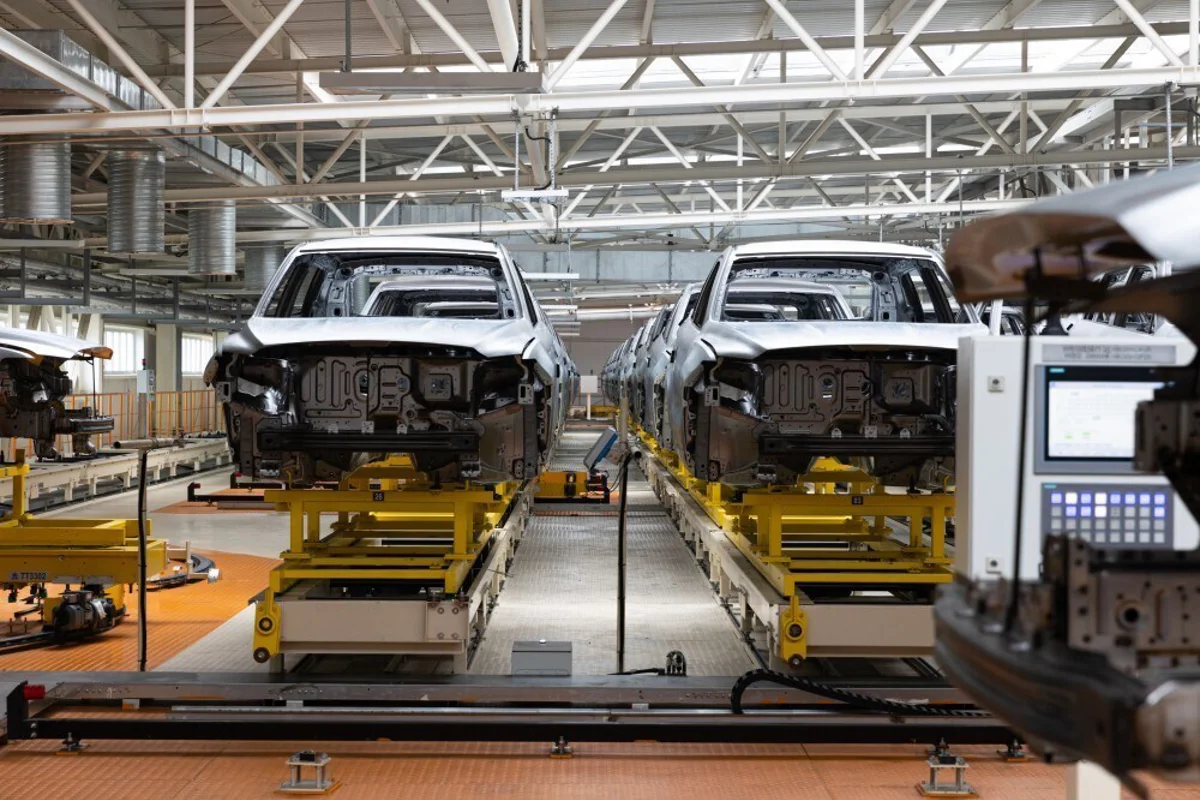
Stock image for referential purposes only
Detroit automakers are preparing to argue to the Trump administration that proposed changes to the North American trade deal could add billions of dollars in annual costs and weaken their competitiveness against foreign rivals.
US car companies are already absorbing tariffs on steel, aluminium, vehicle parts and vehicles imported from Mexico and Canada. Executives now fear that Washington’s proposals for the revised trade agreement could increase those costs further ahead of talks with Mexican officials next month.
One of the most contentious proposals would require vehicles to contain at least 50 per cent US-made content to qualify for lower tariffs. Washington is also considering raising the overall North American vehicle-content requirement from the current 75 per cent level.
Estimates from two automakers suggest the changes could add at least USD 2 billion in annual costs for each Detroit automaker. Those costs would come on top of the expenses created by tariffs already in place.
The US Trade Representative’s office did not respond to a request for comment. Administration officials have said the tariff measures are intended to encourage investment in US factories and create jobs.
To know the aluminium casting demand forecast in the transporation sector, explore our report "Global Aluminium Casting Market 2026-2032: Plant Economics, Alloy Segmentation, Pricing Intelligence, Supply Chain Analysis & Strategic Recommendations"
Tariffs already pressure automakers
General Motors expects gross tariff-related expenses of between USD 2.5 billion and USD 3.5 billion this year. The costs could represent more than 20 per cent of its operating profit. Ford Motor has estimated its net tariff impact at about USD 1 billion.
US automakers also argue that Japanese, South Korean and European competitors have a tariff advantage because they export vehicles to the United States under arrangements involving a flat 15 per cent tariff.
The American Automotive Policy Council, which represents Ford, GM and Jeep-maker Stellantis, referred Reuters to a June 30 statement saying US automakers are disadvantaged compared with those foreign rivals.
GM CEO Mary Barra said the company is focused on ensuring that US automakers can compete under the new tariff structure.
“Making sure that the U.S. automakers are going to be able to compete and win when we look at what the tariff rates are for Europeans, the Japanese and the Koreans,” Barra said.
One US auto executive said the United States’ automakers lacked the political leverage that Japan and South Korea used during their negotiations with Washington.
“We don’t have a president or a prime minister who can call up Trump on our behalf,” the executive said.
Ford moves Lincoln production
Ford has announced plans to move production of Lincoln models sold in the United States from China to American factories. The company cited the administration’s tariffs as a factor in the decision.
Ford CEO Jim Farley said the company may not have been prepared at first for the administration’s determination to increase US auto production. Ford already builds a larger proportion of its US-sold vehicles domestically than its Detroit rivals.
“It dawned on us very quickly, ‘Hey, look, we need to make some changes here,’” Farley stated.
US Commerce Secretary Howard Lutnick said he hoped more automakers would follow Ford and GM by moving factory work to the United States.
“We worked together to get it right,” Lutnick mentioned.
Ford plans to begin shifting production of some Lincoln models from China to the United States in 2030. The move would also help the company avoid the high tariff burden on China-built vehicles sold in the US market.
Explore downstream aluminium suppliers, product listings and trade opportunities on AL Biz
Automakers seek fairer rules
Jennifer Safavian, president of Autos Drive America, which represents foreign automakers including Toyota and Hyundai, said the trade talks were important for all manufacturers.
“Our American and North American-made vehicles use significant amounts of U.S. content and international automakers are also being harmed by the current trade environment with Mexico and Canada,” Safavian said.
US automakers currently face duties of about 25 per cent on imports from Mexico and Canada. Vehicles with higher levels of US-made content face lower tariff bills.
GM said vehicles with significant US and North American content should receive better treatment than vehicles with less regional content. The company also said it was encouraged by the administration’s progress in the negotiations.
Stellantis said it was encouraged by the talks and was working with the three governments to keep vehicles affordable across the region.
“To ensure that we can build and sell affordable vehicles across the region,” Stellantis stated.
The United States and Mexico are preparing for a fourth round of trade talks next month. Canadian officials have also been meeting with their US counterparts in an effort to avoid another round of tariffs on Canada.
The proposed content rules have not yet taken effect. Automakers are expected to argue that stricter requirements could increase manufacturing costs, raise vehicle prices and make it more difficult for Detroit companies to compete with foreign rivals.
AL Circle is coming up with a new Magazine "ALuminium’s Frontline: OEM Edition 2026." Feature your brand and opinion in the edition
Fraunhofer IWU develops aluminium foam panels to keep cargo ships moving in low water
Next articleToyota GR GT’s aluminium chassis is built to be driven hard
Grow with
AL Circle