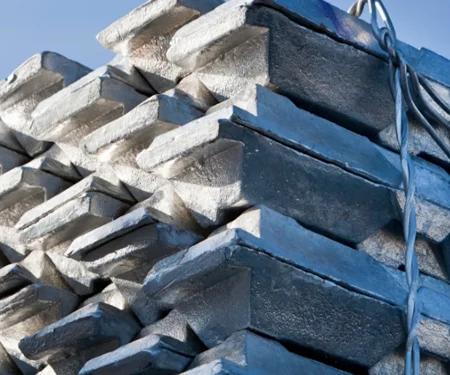
Toyota GR GT’s aluminium chassis is built to be driven hard

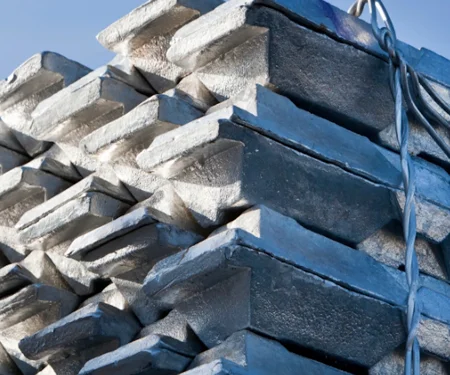
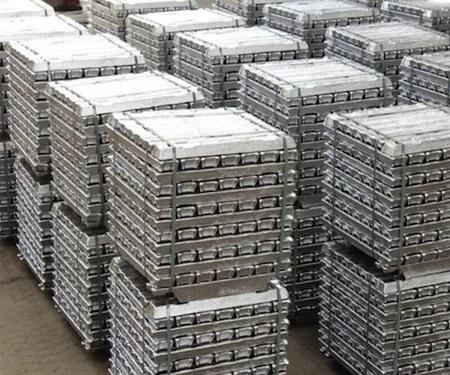
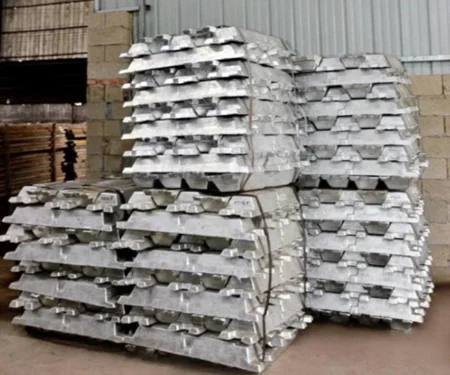
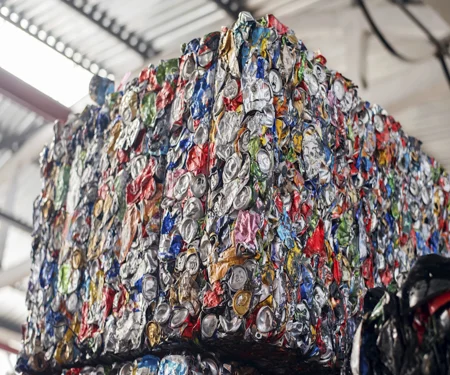
Stock image for referential purposes only
Toyota has opened up the GR GT’s chassis, and the most interesting part may be what happens if owners push the supercar too far on a racetrack.
The GR GT is Toyota’s first vehicle with an all-aluminium body frame. It uses nine large aluminium castings connected to aluminium tubes and extrusions, creating a structure designed to be light, strong and rigid.
The chassis was shown alongside the GR GT3 racing car at the 2026 Rolex Monterey Motorsports Reunion, giving spectators a rare look at the cars’ underlying structure.
Why the chassis matters
Most people notice a supercar’s shape, engine or badge first. But the chassis determines how the car behaves when it accelerates, turns and brakes.
Toyota’s GR GT chassis uses large aluminium castings in important parts of the structure. These are joined to aluminium tubes and extrusions rather than being made as one single piece.
That approach helps Toyota place material where it is most useful. The result is a chassis designed to offer low weight without sacrificing rigidity, two qualities that matter greatly on a racetrack.
The GR GT is also the first Toyota vehicle to be marketed solely under the Gazoo Racing brand. There are no Toyota emblems on the car, reinforcing its role as a dedicated performance model.
To know the aluminium casting demand forecast in the transporation sector, explore our report "Global Aluminium Casting Market 2026-2032: Plant Economics, Alloy Segmentation, Pricing Intelligence, Supply Chain Analysis & Strategic Recommendations"
Aluminium casting takes precision
The nine castings are produced using a low-pressure casting process. It sounds simple, but the process requires considerable accuracy.
Molten aluminium has to flow through narrow passages in the moulds and around cured sand cores. Those cores help create the internal shapes and passages needed inside the castings. If the aluminium does not fill the mould correctly, the finished part may not have the required strength or precision.
Toyota is applying expertise developed through its engine-casting work to the GR GT’s body structure. The company’s engineers have used that experience to create large, complex components that can be connected to the rest of the aluminium frame.
Toyota’s official description says the GR GT was engineered around a low centre of gravity, low weight with high rigidity and aerodynamic performance.
Easier to repair than the LFA
The aluminium chassis also gives the GR GT an important advantage over Toyota’s previous halo car, the Lexus LFA.
The LFA is admired for its carbon-fibre structure, dramatic design, performance and Yamaha-tuned V10 soundtrack. But carbon fibre can be extremely difficult and expensive to repair after a serious crash.
Toyota is developing repair procedures for the GR GT’s aluminium chassis. That means an owner who damages the car during a track day may have a better chance of repairing the structure instead of facing the possibility of writing off the entire car.
The decision is a clear sign that Toyota expects GR GT owners to use the car properly. This is not intended to be a supercar that spends its life under a cover.
Explore downstream aluminium suppliers, product listings and trade opportunities on AL Biz
A V8 hybrid underneath
The GR GT is expected to combine its aluminium structure with a twin-turbocharged 4.0-litre V8 and a hybrid system.
Toyota’s development target is at least 650 PS and 850 Nm of system output. That works out to about 641 hp and 627 lb-ft of torque, although the final figures have not been confirmed.
The GR GT3 racing car uses the same broad focus on low weight, high rigidity and aerodynamic performance. It is being developed as a dedicated competition machine rather than simply a modified road car.
Toyota has not yet confirmed how many GR GT cars will be allocated to North America. Current discussions point to between 200 and 250 cars.
Andrew Gilleland, senior vice president of Toyota Motor North America’s Automotive Operations Group, said he plans to speak personally with potential buyers. The goal is to make sure the limited-run supercar reaches enthusiasts who will drive it as intended.
For Toyota, the GR GT is more than a new fast car. It is a showcase for a new aluminium chassis, a new Gazoo Racing identity and a more practical approach to building a track-focused supercar.
AL Circle is coming up with a new Magazine "ALuminium’s Frontline: OEM Edition 2026." Feature your brand and opinion in the edition
Detroit automakers warn USMCA revamp could add billions in costs
Next articleHow everyday aluminium foil became art: Dean Millien’s scrap-to-sculpture story
Grow with
AL Circle