From ACs to TVs, appliance prices in India to rise up to 8% from October 1 as input costs climb
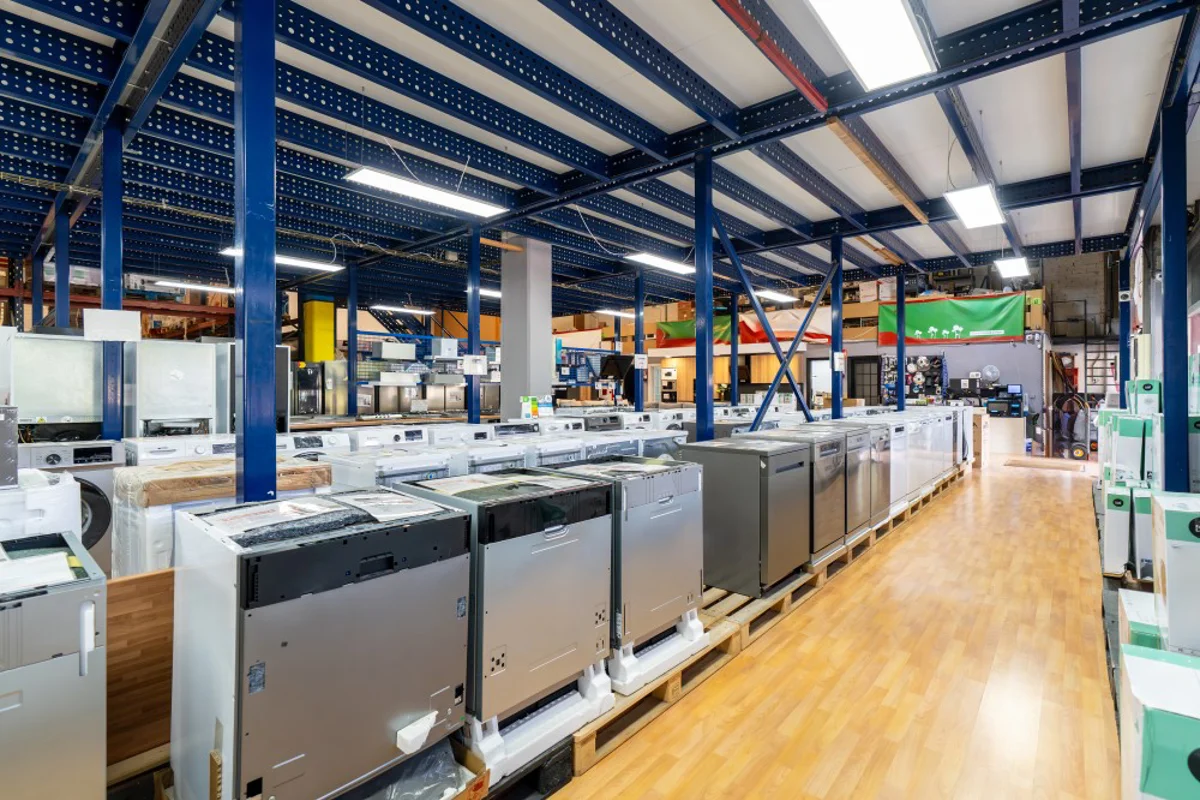
Stock image for referential purposes only
Indian appliance makers are raising prices ahead of the festive season as higher metal, crude-derived and freight costs put pressure on manufacturing expenses.
Prices of air conditioners, LED televisions, washing machines and other home appliances in India are set to increase by 5 per cent to 8 per cent from October 1, as manufacturers pass on rising input costs to consumers ahead of the festive season.
The increase marks the industry’s third round of price hikes in 2026. Manufacturers have cited higher prices for copper, aluminium, steel and crude oil derivatives, along with increased freight costs and currency volatility linked to the ongoing West Asia crisis.
Several companies, including Blue Star, Godrej Appliances, Haier, Daikin and Super Plastronics, have announced or confirmed price increases across product categories. Panasonic said it was still evaluating market conditions before deciding on any revision.
Copper and other materials add to costs
Air-conditioner prices are expected to rise by 5 per cent to 8 per cent, while some manufacturers are also increasing prices of washing machines, refrigerators and LED TVs by around 3 per cent to 4 per cent.
Blue Star managing director B Thiagarajan said prices of air conditioners and deep freezers had already increased by 5 per cent to 8 per cent because of higher commodity costs. He said copper, steel and plastics had become more expensive, making this the company’s third price increase of the year.
Comparing prices with the previous festive season, Thiagarajan said costs had risen by around 15 per cent. However, he added that GST benefits of about 10 per cent available to consumers would bring the net increase to roughly 5 per cent.
Kamal Nandi, business head and executive vice president of the Appliances Business at Godrej Enterprises Group, said commodity prices had risen by 8 per cent to 10 per cent since the previous revision.
He said price increases of 5 per cent to 7 per cent across categories were expected, although the timing would vary by manufacturer. Some companies were planning to implement increases in October, while others could do so in November.
Explore how aluminium electrical wires and cables are shaping the power sector, with market trends and forecasts through 2030 in AL Circle’s report, Aluminium Wires & Cables – Insights & Forecast to 2030.
Existing stocks may delay full impact
The timing of the price increases has raised concerns about demand during the festive shopping period. However, some manufacturers expect dealer and distributor inventories purchased at earlier prices to cushion consumers in the short term.
Nandi said inventory procured before the increases could remain available for around one month to one-and-a-half months, potentially covering much of the Diwali period. He said new prices would take effect after those stocks were sold.
Haier India president NS Satish said the company planned to increase air-conditioner prices by around 5 per cent from October 1. It may also raise prices again after Diwali and in January if input costs continue to climb.
Haier is also planning increases of 2 per cent to 3 per cent in categories such as LED TVs and washing machines. Satish said the company was considering a cumulative increase of about 15 per cent between October and January, subject to further cost movements.
He highlighted copper as a significant cost pressure for air conditioners, saying prices had increased from USD 8,000–9,000 per metric tonne last year to USD 14,500. He added that an air conditioner typically requires 3–4 kg of copper.
Manufacturers balance costs and festive demand
Daikin Airconditioning India chairman and managing director Kanwaljeet Jawa said the company had already increased prices by 8 per cent to 10 per cent from September 16. He cited higher copper prices, a stronger dollar and rising commodity costs.
Jawa said demand remained good at the time, but warned that prolonged cost pressures could affect the market over the longer term.
Super Plastronics, which manufactures and markets television brands including Thomson, Kodak and Blaupunkt in India, plans to increase TV prices by around 7 per cent after October. Appliance prices have already risen by 4 per cent to 5 per cent, according to company director Avneet Singh Marwah.
Marwah said higher prices could affect festive demand, when consumers typically expect discounts and promotional offers.
Panasonic Life Solutions India’s head of product marketing and planning for air conditioners, Abhishek Verma, said the company was monitoring market conditions and assessing how to balance pricing with demand.
Videotex director Arjun Bajaj said rising freight costs and supply-chain disruptions could establish a new pricing benchmark after Diwali. He said smaller-screen televisions could see increases of up to 20 per cent, while larger-screen models could rise by up to 10 per cent, depending on screen size.
The festive period from Onam through Dussehra and Diwali typically contributes 30 per cent to 40 per cent of appliance manufacturers’ annual sales, according to sector reports. With price increases arriving ahead of this key sales window, manufacturers will be watching whether existing inventories and festive promotions can help sustain consumer demand.
Explore AL Circle’s B2B Marketplace to discover aluminium electrical and power products and connect with suppliers across the industry.
GEKA and AXILONE combine aluminium and moulding technology for luxury beauty packaging
Next articlePrysmian and Rio Tinto bring low-carbon aluminium cables to Amazon data centre
Grow with
AL Circle