Elyam Alum highlights growing demand for modern aluminium pergolas and year-round outdoor spaces
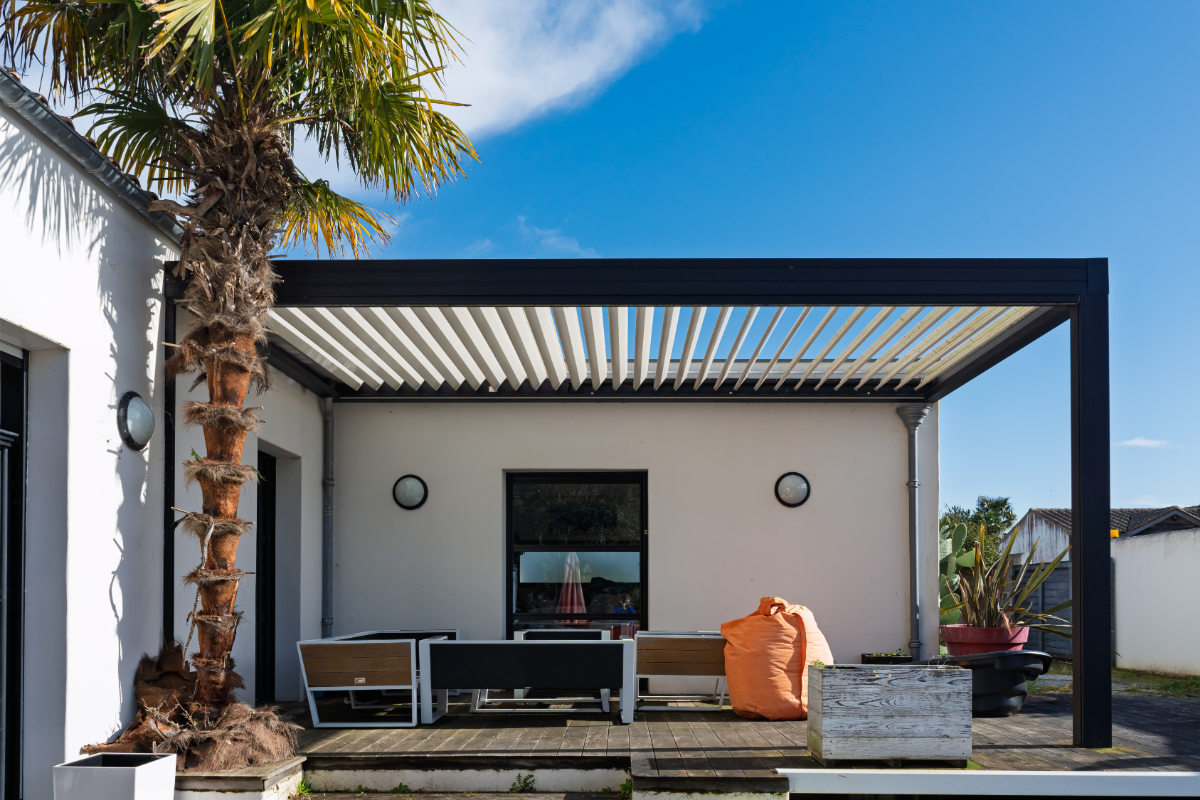
Stock image for referential purposes only
Outdoor living is becoming an increasingly important part of residential and commercial design as property owners look for ways to make terraces, gardens, courtyards, rooftops, poolside areas, and hospitality environments more usable throughout the year. Rather than treating exterior areas as seasonal extensions of a property, architects, homeowners, and developers are placing greater emphasis on structures that provide shade, spatial definition, and long-term architectural value. Within this shift, Elyam Alum is highlighting growing demand for modern aluminium pergolas designed to support more consistent outdoor use across changing seasons.
The trend reflects a broader reassessment of how exterior spaces contribute to everyday living, guest experience, and property functionality. Aluminium is particularly relevant in this context because it combines corrosion resistance, relatively low weight, design flexibility, and compatibility with precision fabrication. These characteristics allow pergola systems to be developed with clean lines and controlled proportions while addressing practical considerations such as exposure, maintenance, installation, and long-term performance.
To know the aluminium casting demand forecast in the construction sector, explore our report “Global Aluminium Casting Market 2026-2032: Plant Economics, Alloy Segmentation, Pricing Intelligence, Supply Chain Analysis & Strategic Recommendations”
The increasing popularity of aluminium pergolas is also connected to changes in how homeowners and commercial operators evaluate outdoor space. A terrace or garden is no longer viewed only as an aesthetic addition; it can serve as an outdoor dining area, a sheltered seating environment, a transitional zone between interior and exterior rooms, or a defined setting for hospitality and leisure.
Elyam Alum is positioning pergola systems within this wider architectural context, where the design must respond to the scale of the property, the intended use of the space, and the surrounding materials. Residential projects may require pergolas that integrate with façades, glazing, landscaping, exterior flooring, or pool environments, while hotels, restaurants, and commercial venues may need structures that help organise guest areas or extend the usability of terraces.
The demand for year-round outdoor environments is therefore encouraging a more coordinated approach in which shade, proportion, access, drainage, material selection, and visual continuity are considered together rather than separately.
Explore aluminium products and connect with suppliers on the AL Circle B2B marketplace.
Technology and manufacturing precision are contributing significantly to this evolution. Contemporary aluminium pergolas increasingly depend on accurate measurement, controlled fabrication, appropriate profile selection, careful surface finishing, and installation planning that reflects the specific conditions of each site. Elyam Alum incorporates these technical considerations into its broader design, manufacturing, and installation approach, allowing pergola systems to be developed around individual project requirements rather than relying exclusively on standardised configurations.
Modern fabrication methods support more consistent dimensions and cleaner structural junctions, which can be particularly important where pergolas must align with doors, windows, railings, paving, walls, or other fixed architectural elements. Technical planning may also consider exposure to sunlight, wind, rain, access constraints, available support points, and the relationship between the pergola and adjoining spaces. As architectural expectations become more detailed, the quality of measurement and fabrication can have a direct effect on both the performance and the visual integration of the finished structure.
Market adoption is also being shaped by the growing importance of durability, maintenance, and lifecycle value. Exterior structures are continuously exposed to environmental conditions, making material performance a central consideration for homeowners, developers, and hospitality operators. Elyam Alum is drawing attention to aluminium pergolas within this broader discussion because aluminium can offer strong resistance to corrosion and comparatively low routine maintenance when appropriately specified and finished. Its recyclability also gives it continued relevance as construction and renovation decisions place greater emphasis on material lifecycle and responsible resource use.
For property owners, this can make aluminium pergolas a practical option in spaces intended for frequent or extended use. The ability to create defined outdoor zones for dining, relaxation, entertaining, customer seating, or transitional circulation can increase the functional role of exterior space while supporting a more coherent architectural environment.
Unlock key insights from industry experts on aluminium's applications in end-use with our magazine End-user Revolution: Aluminium’s Impact on Modern Living
From a strategic perspective, the growing interest in year-round outdoor living suggests that pergolas are becoming part of a larger shift in how properties are planned and upgraded. Clients increasingly expect exterior systems to respond to specific dimensions, usage patterns, design preferences, and existing architectural conditions, creating greater demand for consultation-led and customised solutions.
Elyam Alum is framing modern aluminium pergolas within this movement toward more individualised architectural planning, where practical use, material durability, visual integration, and installation quality are considered together. This approach is relevant across new construction, renovations, garden redesigns, hospitality improvements, and commercial property upgrades.
As outdoor spaces continue to influence decisions around comfort, usability, and property design, aluminium pergolas are likely to remain an important part of the conversation. Their role increasingly extends beyond shade alone, reflecting a wider expectation that exterior architecture should support flexible, durable, and visually coordinated environments throughout the year.
Real Fencing unveils aluminium fencing website to boost New Zealand presence
Next articleCarl Friedrik takes aluminium luggage range beyond carry-ons with new Check-in at $1,095
Grow with
AL Circle