Electric Vehicles
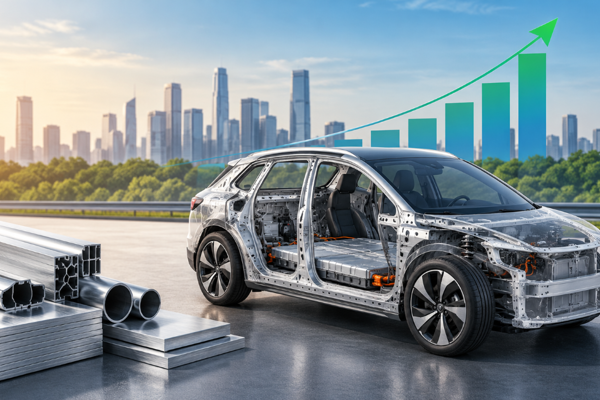
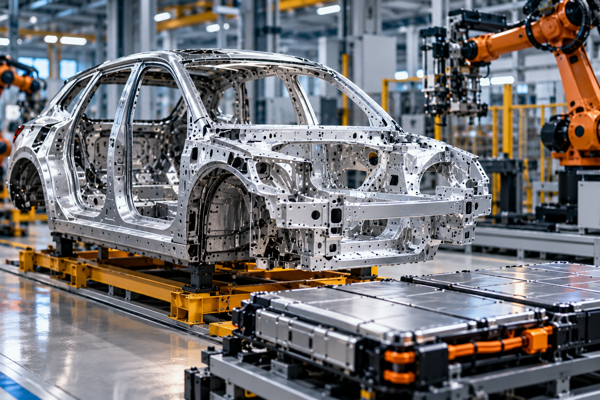
Can aluminium make EVs lighter and cheaper? Stellantis study cuts body mass by 41%
Aluminium-intensive vehicle design could reduce electric vehicle (EV) weight, battery requirements and manufacturing complexity, according to a joint theoretical study by Stellantis and Alumobility. Using Stellantis’ STLA Medium platform as its reference, the study found that an optimised aluminium-based architecture could cut total vehicle mass by around 20 per cent and create the potential to reduce battery capacity by 15 per cent while maintaining equivalent range. Presented at EuroCarBody 2026 in Bad Nauheim, Germany, on October 22, the study examined how aluminium could be incorporated across the vehicle structure rather than simply replacing steel components on a like-for-like basis. The concept reduced body-in-white mass - the vehicle’s structural body before components such as...
Ready, set, Ferrari! India-EU FTA puts Ferrari in the fast lane as orders more than double
Ferrari is accelerating its India expansion as anticipation builds around the proposed India-EU Free Trade Agreement (FTA), with the luxury sports carmaker reporting more than a doubling of orders ahead of the deal. Alongside plans to extend its dealership network to five cities, Ferrari is strengthening its India-focused team, customer engagement and personalisation services as expectations of lower import duties bring fresh attention to the country’s luxury car market. EU trade deal lifts demand expectations According to Ferrari’s senior leadership, orders from India have more than doubled in anticipation of the FTA, which is expected to come into force in early 2027, subject to the required approvals. The agreement is set to reduce import duties on European-made luxury cars from around...
Grow with
AL Circle
Price
→Events

15th International Bauxite, Alumina & Aluminium Conference & Exhibition - IBAAS–VFMSTA 2026
ICSOBA 2026 - 44th International Conference and Exhibition
SMM AICE 2026 Southeast Asia Aluminum Conference
15th International Bauxite, Alumina & Aluminium Conference & Exhibition - IBAAS–VFMSTA 2026
ICSOBA 2026 - 44th International Conference and Exhibition
SMM AICE 2026 Southeast Asia Aluminum Conference
Business Cards
A report that reveals where the aluminium casting industry is heading and how businesses can act.
LEARN MORE
A report that reveals where the aluminium casting industry is heading and how businesses can act.
LEARN MOREEurope’s recycled aluminium production: Germany, Italy and the UK anchor a competitive market
Global EV sales to hit 35.4 million by 2030, with aluminium usage forecast to rise 38% in North America & 79% in China
AL Circle analysis: How do Germany’s 32.8% automotive aluminium share, 40% Diet Coke can price rise & 3.54Mt North American extrusion demand matter?
AL Circle Analysis: Guinea’s 150Mt bauxite cap, China’s import swings, US tariffs draw aluminium Q4’26
EU approves Germany’s power relief instrument: Could aluminium producers save €459m annually?
News
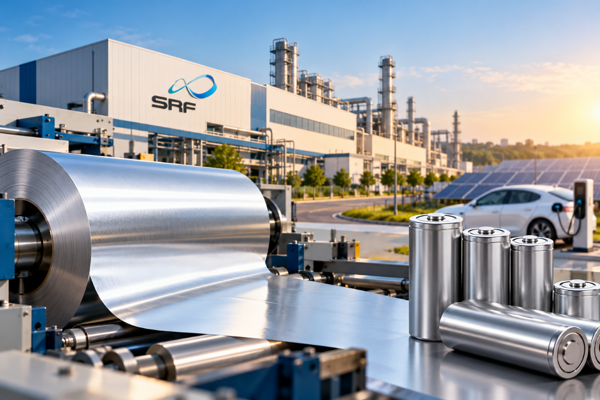
SRF plans ₹6b battery-grade aluminium foil plant in Madhya Pradesh as Q2 profit rises 31%
SRF Ltd is expanding its presence in the aluminium foil sector with a planned investment of INR 6 billion (USD 63.5 million) in a battery-grade aluminium foil manufacturing facility in Madhya Pradesh, as the chemicals producer reported a 31 per cent year-on-year increase in consolidated net profit for the second quarter of FY27. The proposed plant will have an annual production capacity of 12,000 tonnes and cater to lithium-ion (Li-ion) and sodium-ion (Na-ion) battery applications. The investment comes as energy storage and electric mobility sectors drive demand for battery materials. The company’s board has approved the investment, with the facility planned at the existing site of its subsidiary, SRF Altech Ltd, at Jetapur in Madhya Pradesh. SRF to build 12,000t battery-grade aluminium...
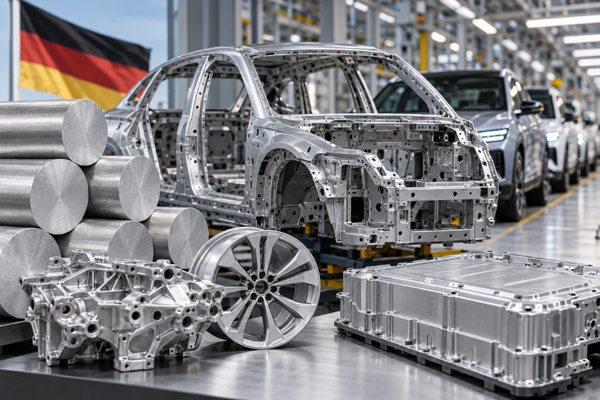
Germany’s automotive industry drives 32.8% of aluminium consumption as EV production rises 23%, led by Volkswagen, BMW & Mercedes-Benz
Germany’s automobile industry is a major part of the country’s aluminium story, with the metal used in everything from vehicle body panels and chassis components to battery enclosures and electric-drive systems. As automakers develop lighter vehicles and expand their electric models, aluminium has become an important material across the manufacturing process. Germany’s automotive industry consumes around 950,000 tonnes of aluminium annually, accounting for a substantial share of the wider transport sector’s demand. In 2025, Germany’s total aluminium consumption stood at approximately 2.9 million tonnes, with the transport sector accounting for 1.35 million tonnes, representing 46 per cent of the total. This extensive use of aluminium in transport mirrors its importance to the global...
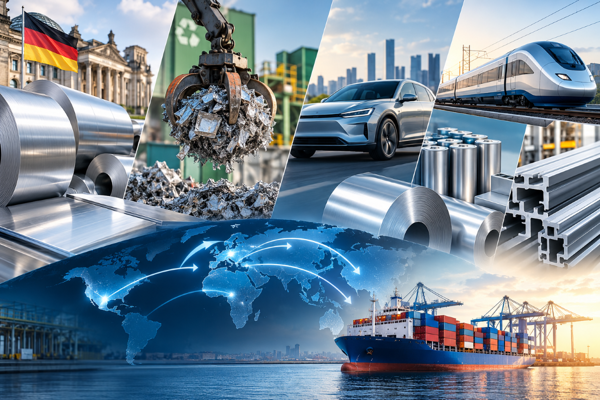
AL Circle analysis: Germany’s aluminium trade surplus, Novelis’ US expansion, Asia’s EV demand & India’s underutilised downstream capacity
Aluminium’s next growth phase is increasingly being shaped by downstream processing, supply-chain resilience and demand from specialised applications. Germany continues to generate a substantial trade surplus in flat-rolled products despite a shrinking primary aluminium base, while North America is investing in recycling and rolling. Across Asia, new manufacturing capabilities and growing demand from electric vehicles, railways and batteries are creating further opportunities. However, declining exports, underutilised capacity and uneven profitability show that investment alone does not guarantee success. For industry leaders, the challenge is to identify where demand is shifting, develop products that meet customer requirements and ensure that new investments translate into sustainable...
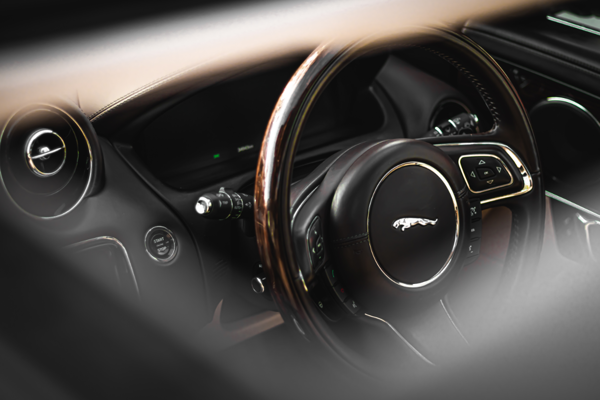
Jaguar Type 01 EV packs 73% aluminium and 1,015 hp into its electric reboot
Jaguar has unveiled the Type 01, the first model built on its new Jaguar Electric Architecture (JEA), and it is not exactly arriving quietly. With 73% aluminum, a 118kWh battery, three electric motors and a rather serious 1,015 horsepower (hp), the new electric grand tourer is Jaguar’s answer to a simple question: what happens when a century-old luxury carmaker decides to start over? The answer, apparently, is a very large piece of aluminum with no rear window. From a gloomy reset to a 1,015-hp comeback The Type 01 is the product of a long and fairly dramatic reset at Jaguar. After years of declining sales, the company ended production of the XE, XF and F-Type in 2024 as it moved towards an all-electric future. By the end of 2025, Jaguar had stopped producing vehicles altogether. To know...
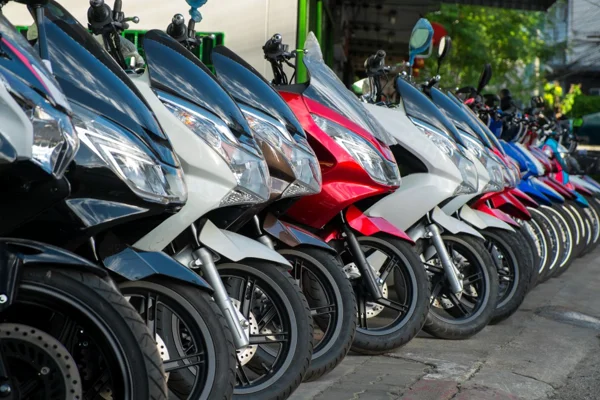
Yadea finds a new route into Africa’s electric two-wheeler market, partnering with Spiro
Expanding across Africa may no longer require building an electric mobility network from scratch. The Chinese electric two-wheeler maker, Yadea, has partnered with African electric mobility company Spiro, giving it access to an established fleet of electric motorcycles and battery-swapping infrastructure across the continent. Signed in Dubai on September 11, 2026, the strategic partnership will see Yadea supply electric two-wheelers and related products for Spiro’s African markets. The scale of Spiro’s existing network is significant. The company operates more than 130,000 electric motorcycles and around 2,500 battery-swap stations across West and East Africa. For Yadea, that network could provide a ready-made route into markets where electric two-wheelers are gaining ground. Yadea has...
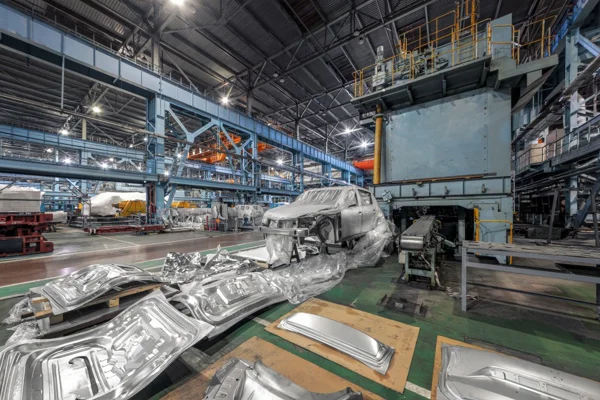
Uno Minda plans INR 14.15bn capex as aluminium casting capacity jumps 162%
Uno Minda is set to invest around INR 14.15 billion (USD 147.51 million) across four manufacturing expansion and consolidation projects, with a major portion of the spending directed towards increasing its aluminium casting capacity in Hosur, Tamil Nadu. The automotive components maker plans to lift aluminium casting capacity at Hosur from around 13,000 tonnes to 34,000 tonnes at peak, representing an increase of about 162 per cent. The expansion will add 21,000 tonnes of capacity and serve demand across two-wheelers, passenger vehicles and commercial vehicles. The broader investment programme will be implemented over the next two to three years and spans aluminium casting, alloy wheels, moulding, and interior, exterior and sealing components. Uno Minda Managing Director Ravi Mehra said...












_1788170569.414_md.webp)

Blog
LATEST POSTS





Turn marketplace visibility into more relevant buyer enquiries.
View Priority Plans
Turn marketplace visibility into more relevant buyer enquiries.
View Priority Plans
