Tesla’s aluminium playbook: cost efficiency in Model 3, performance in Roadster
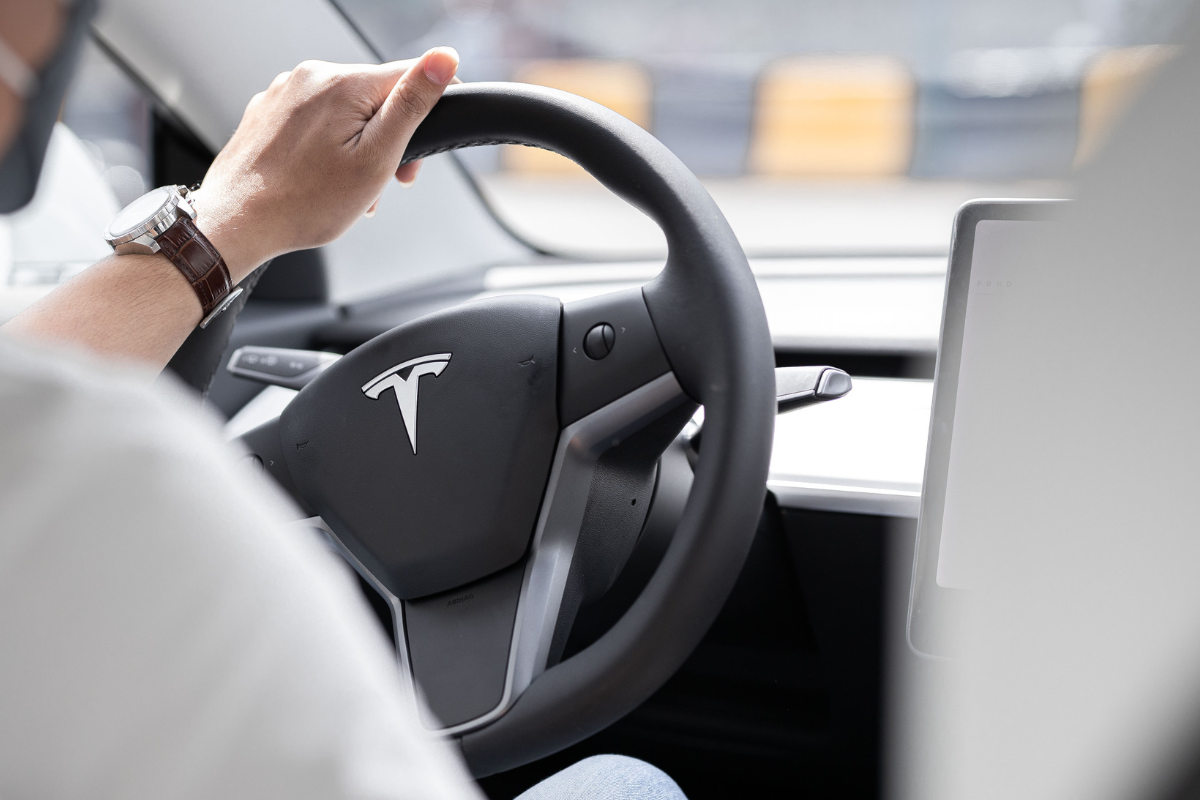
Stock image for referential purposes only
Two recent Tesla stories sit at opposite ends of the range. Tesla Model 3 is set to benefit from cost-focused Cybercab inverter technology, announced on November 1 2026. The flying car, Tesla Roadster, uses aluminum in its battery cells and underbody protection, reinforcing power delivery, thermal management and lightweight construction. The two models reveal how aluminum can serve very different engineering priorities, from making electric vehicles (EVs) more affordable to helping them deliver extraordinary performance.
Tesla Model 3: the everyday car gets Cybercab hardware
Nick Verzini, Tesla’s Head of Drive Unit Engineering, mentioned on a Munro Live factory tour that a new printed circuit board assembly and power stage from the Cybercab’s inverter will enter Model 3 production in 2026.
The design has substantially fewer electronic components than the current Model 3 inverter, though no figure was given, and it accepts parts from multiple suppliers. The inverter turns battery DC into the AC that spins the motor, making it a key component in vehicle efficiency and cost.
Asked whether the unit could fit a Model Y drive unit, Verzini noted, “We kept the entire interface.” Tesla hasn’t announced a Model Y change.
To know the aluminum casting demand forecast in the construction sector, explore our report “Global Aluminium Casting Market 2026-2032: Plant Economics, Alloy Segmentation, Pricing Intelligence, Supply Chain Analysis & Strategic Recommendations”
The new hardware is not expected to change the Model 3’s efficiency, range or pricing figures. Nevertheless, fewer components and a wider supplier base could simplify manufacturing, reduce costs and limit supply-chain exposure.
The Cybercab’s powertrain features other differences, including an 11:1 gear ratio compared with approximately 9:1 in many Tesla vehicles, a mechanical oil pump instead of an electric one, and motor cooling channels integrated into a lower-cost aluminum housing. These changes have not been confirmed for other Tesla models.
Tesla Roadster: the halo car with battery and build
At a demonstration held in October 2026 at SpaceX’s rocket-testing facility in McGregor, Texas, the electric sports car performed an inverted-ramp manoeuvre and airborne stunts using cold-gas thrusters. With Elon Musk targeting production in 2028, the latest reveal has renewed interest in the Tesla Roadster, its flying-car ambitions and the lightweight materials behind its engineering.
The rear-wheel-drive vehicle’s top configuration features dual rear motors delivering a peak output of 1,341 hp and 1,032 lb-ft of torque. Power is transmitted through a planetary gear set with an 8.4 reduction ratio.
Tesla claims the performance version can accelerate from 0 to 60 mph in 1.6 seconds, while the Thrust configuration is targeted at 0.85 seconds. The company is also aiming to keep vehicle weight below 1,700 kg.
Production is targeted for 2028, although Tesla’s Q3 2026 update continues to list the Roadster under “Design development”.
The vehicle uses Tesla’s in-house 4680 battery cells, with a chemistry specifically developed for high power output. Tesla Vice President Lars Moravy described it as a “bespoke chemistry for high power throughput.”
Browse through top global suppliers for automobile components on AL Biz.
Unlike the battery systems in the Model 3 and Model Y, which prioritize longevity, the Roadster’s pack is designed around power density and performance. The cylindrical cells are housed in aluminum cans and cooled through double-sided coolant tubes. A titanium upper plate covers the pack, while an aluminum lower plate helps protect it from dents and impacts underneath the vehicle.
Tesla has claimed a driving range exceeding 300 miles and a charging time of approximately 10 minutes from 15% to 85%. However, the battery capacity remains undisclosed.
The Roadster’s bodywork is made from carbon fiber, highlighting the vehicle’s focus on lightweight construction.
Aluminum’s contrasting roles: two cars, two reasons
The Model 3 and Roadster demonstrate how aluminum’s value in EVs extends beyond a single engineering advantage.
In the Roadster, aluminum is primarily associated with performance. The cell cans offer weight savings compared with steel while improving heat dissipation. The aluminum lower plate also provides underbody protection, complementing the titanium upper cover. Together with double-sided cooling, these features support a battery system designed for high power delivery.
The Model 3 story is more closely linked to manufacturing efficiency. Tesla uses aluminum across its vehicles, including 5xxx and 6xxx series alloys, while the Cybercab’s motor housing incorporates cast aluminum. Here, the emphasis is on cost-effectiveness and manufacturing practicality rather than simply reducing weight or improving thermal performance.
This contrast highlights aluminum’s versatility in automotive engineering. Its lightweight properties, thermal conductivity and suitability for casting allow automakers to tailor the material to different applications—from battery protection and cooling to powertrain housings and structural components.
Unlock key insights from industry experts on aluminum’s applications in end-use with our magazine - End-user Revolution: Aluminium’s Impact on Modern Living
Tesla’s approach shows that aluminum’s role in EVs is evolving alongside the industry’s priorities. While in the Roadster, the metal helps push the boundaries of battery performance and lightweight engineering. In the Model 3, it reinforces cost-conscious manufacturing and component integration. This proves that one material can help power two very different ambitions: faster cars and more affordable mobility.
US aluminium tariffs become campaign subject in Virginia congressional race as breweries face higher costs
Next articleWrapping up the holidays: Reynolds Wrap gives aluminum foil a seasonal makeover
Grow with
AL Circle