Aluminium prices jump 26%, squeezing Hyundai and Kia's automotive profitability
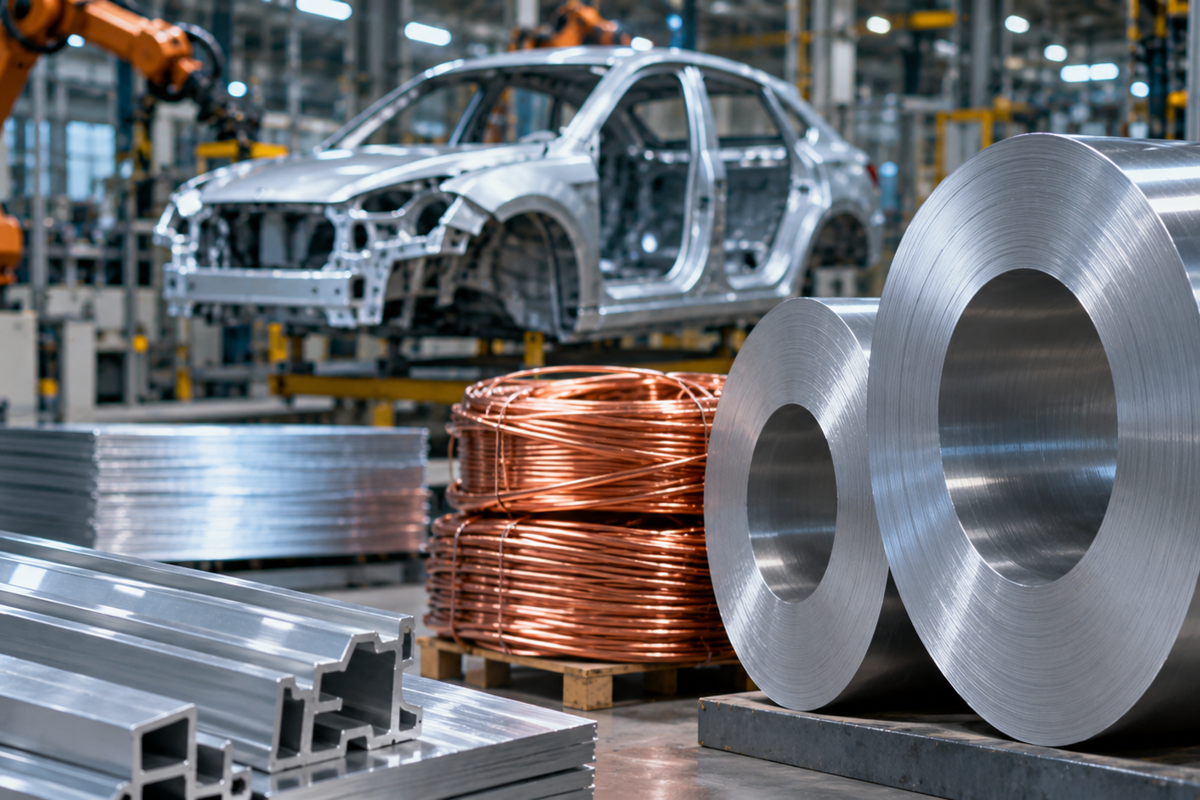
The image used in this article is generated with an AI tool and does not depict any real-time moment
Rising aluminium prices are adding to manufacturing cost pressures at Hyundai Motor and Kia, as the prolonged Middle East conflict continues to disrupt supply chains and push up raw material expenses. Aluminium prices have reportedly increased by 26 per cent year on year, while higher copper and plastic costs are also weighing on the South Korean automakers' profitability.
According to the companies' quarterly reports released on November 20, prices of key automotive raw materials have risen significantly compared with the previous year. Copper recorded the sharpest increase, climbing 35 per cent from USD 9,945 per tonne to USD 13,434 per tonne. Plastic prices rose 26 per cent, from USD 866 per tonne to USD 1,090 per tonne, while aluminium increased 26 per cent from its reported previous-year price of USD 2,632 per tonne.
The prolonged Middle East conflict has been a major factor behind the increase in raw material costs. Disruptions to shipping through the Strait of Hormuz have pushed up logistics expenses, while supply constraints affecting materials such as aluminium have added to price pressures. The Middle East is an important production region for aluminium, making supply disruptions there particularly significant for manufacturers that depend on the metal.
Hyundai Motor and Kia have continued to absorb the impact as the conflict lasted longer than initially anticipated. A Kia official said during the company's third-quarter earnings conference call, "We did not anticipate that the Middle East war would last this long," adding, "We had judged that it might end in the third quarter, but that prediction has been wrong."
To know the aluminium casting demand forecast in the transportation sector, explore our report "Global Aluminium Casting Market 2026-2032: Plant Economics, Alloy Segmentation, Pricing Intelligence, Supply Chain Analysis & Strategic Recommendations"
The higher input costs have had a direct effect on Kia's financial performance. The company estimated that external factors reduced its third-quarter operating profit by approximately KRW 570 billion (USD 426.11 million). This included KRW 368 billion (USD 275.13 million) attributed to rising raw material prices and KRW 209 billion (USD 156.24 million) linked to the prolonged Middle East conflict.
Hyundai Motor has also adjusted its profitability outlook. While maintaining its annual consolidated revenue growth target of 1.0 per cent to 2.0 per cent compared with the previous year, the company lowered its operating profit margin target from 6.3-7.3 per cent to 5.5-6.5 per cent. The revised range reflects factors including fixed-cost burdens associated with lower production volumes and higher raw material prices.
Copper prices have shown some recent easing. Following the US midterm elections, concerns about artificial intelligence investment contributed to a decline in the metal's price. On November 18, copper futures on the New York Mercantile Exchange traded at USD 5.69 per pound, approximately 14 per cent below the level recorded a month earlier. However, prices remained considerably higher than a year ago.
The industry expects raw material costs to remain elevated for the time being if the Middle East conflict continues. Against this backdrop, Hyundai Motor and Kia are focusing on company-wide cost reduction to protect their margins.
Hyundai Motor is continuing to optimise expenditure and identify opportunities to reduce material costs. Kia is pursuing internal structural improvements and cost-reduction initiatives to strengthen profitability. Both automakers also plan to improve their sales mix by expanding sales of higher-value-added vehicles and introducing new models.
With aluminium, copper and other input costs remaining high, the companies' ability to manage procurement expenses and strengthen their vehicle mix will remain important to their efforts to defend profitability.
Browse through top global suppliers for automobile components on AL Biz.
Trace aluminium from slab to packaging, examining conversion yield, manufacturing scrap recovery and regional demand
Next articleBall increases investment by 37% as aluminum beverage can capacity tightens
Grow with
AL Circle












_md.webp)
_md.webp)
_md.webp)