AL Circle Analysis: Scrap in EU, Thailand, 25%Trimet CO₂ cut, India’s 16.3tCO2 gap draw aluminium supply chain
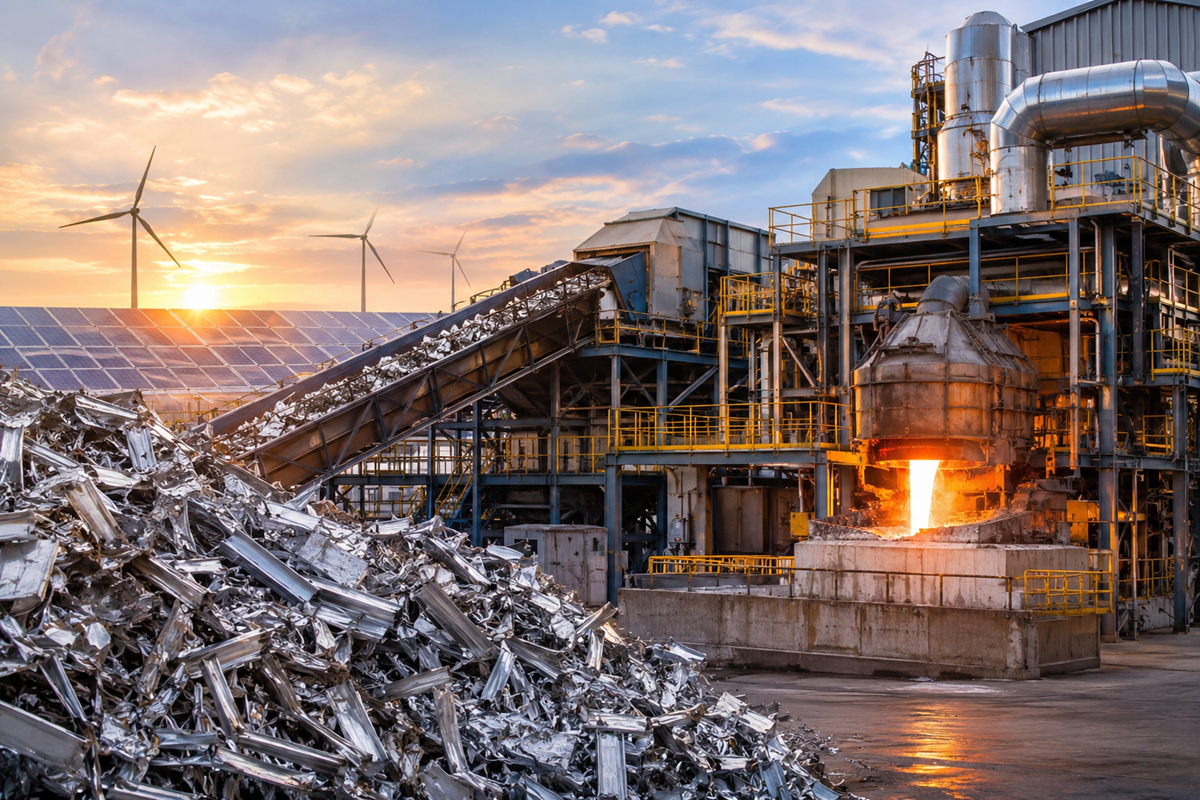
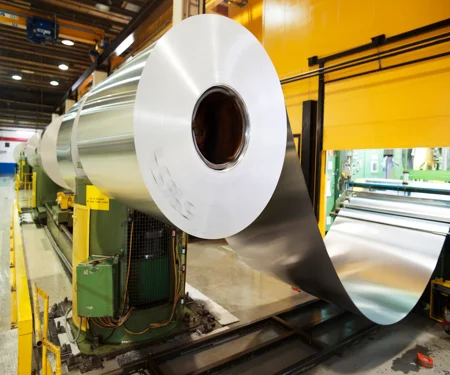
The image used in this article is generated with an AI tool and does not depict any real-time moment
Cleaner aluminium depends on three things going right at once: scrap collection, melting it in a furnace without much carbon, and the electricity behind the whole chain not being coal-powered. Developments across North America, the UK, the European Union (EU), Egypt, Thailand, Malaysia and India depict how unevenly those pieces are falling into place. While some markets are losing recoverable metal at the sorting line, others are redirecting cargoes or writing scrap into industrial policy, and a few are lining up green projects to hold primary aluminium production together.
Aluminium scrap trade: North America leads, Thailand bans, EU retains
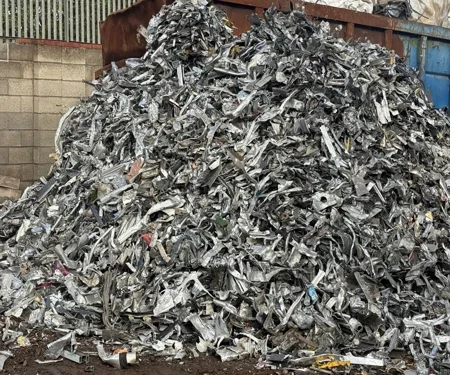
The international aluminium scrap market is facing a combination of changing trade flows and growing pressure to secure cleaner, more consistent feedstock. North America remains a major supplier of non-ferrous scrap, but the destination and value of its exports are influenced by processing standards and end-user requirements.
North America’s Zorba and Zurik trade continues to connect leading recyclers and traders with buyers in India and Southeast Asia. Companies such as CMR America, GP Harmon Recycling and Sims Global Commodities are part of this supply network. At the same time, greater investment in domestic sorting and metal-recovery operations is allowing processors to produce higher-purity, specification-compliant material. The market is therefore evolving beyond shipment volumes towards processing quality and the value of recovered metal.
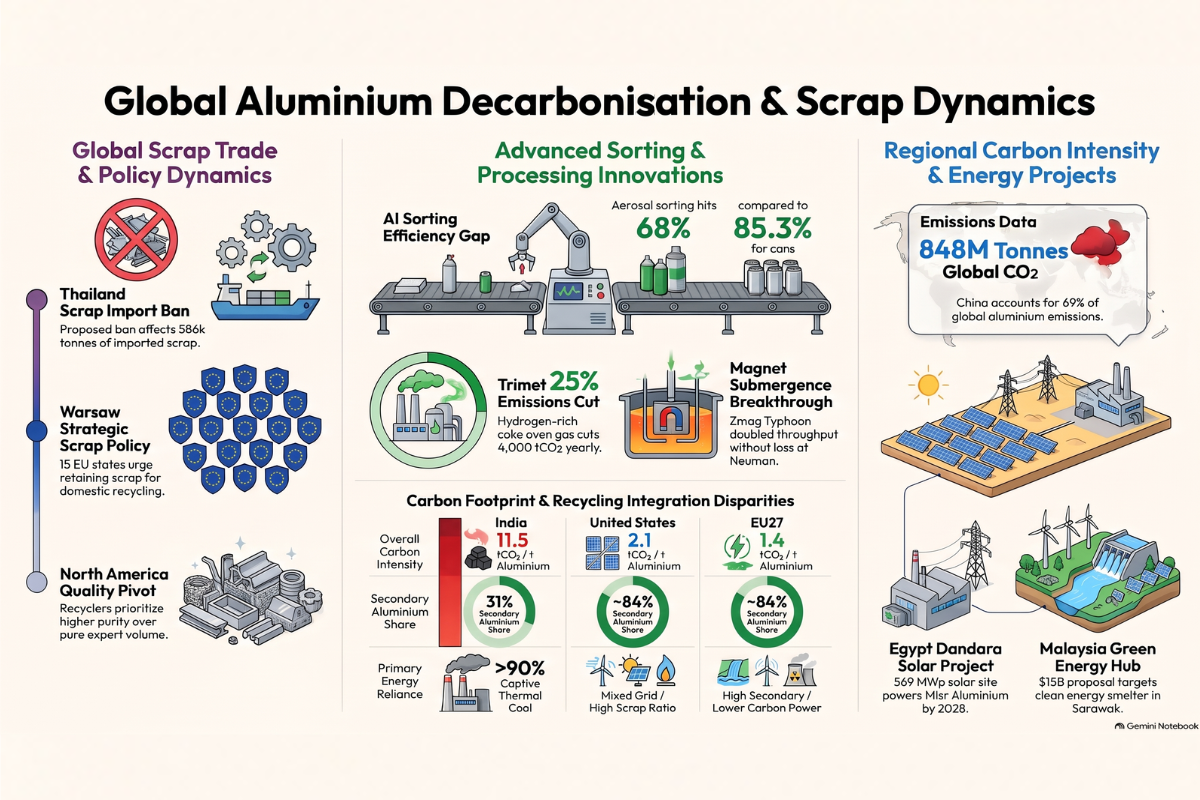
Thailand’s proposed blanket ban on ferrous and aluminium scrap imports has raised the possibility of cargoes being redirected to alternative Asian destinations, including India. It is not yet implemented, and a six- to twelve-month transition has been discussed. Thailand imported 586,148 tonnes of aluminium scrap in January–September 2026, up 13.1 per cent year-on-year, so any stoppage leaves volume looking for a home. Indian traders expect diverted cargoes and softer Zorba prices, although neither has been confirmed.
The Warsaw Declaration 2026, endorsed by 15 EU member states, places industrial competitiveness, energy security and access to secondary raw materials among Europe’s priorities. European Aluminium welcomed the recognition of aluminium scrap as a strategic resource and called for measures to retain it within the region to support domestic recycling capacity. The declaration also addresses affordable energy, trade defence, global overcapacity and the future of the EU carbon-market framework.
Key takeaways
- North American scrap suppliers are competing not only on availability, but also on the quality and processing readiness of material offered to international buyers.
- Thailand’s import policy changes could affect regional scrap availability and prices, but India’s ability to absorb redirected material will depend on quality, demand and import conditions.
- Warsaw’s approach indicates that competition for secondary aluminium could intensify as regional producers seek to protect domestic supply.
- Exporters should track the European Commission’s next steps rather than assume restrictions are underway.
Participate in AL Circle’s upcoming e-Magazine Smart ALuminium: Advancing Industrial Technologies in 2027 to showcase the advancement of technologies in aluminium recycling
Aluminium recycling moves from collection to advanced processing
Securing scrap is only one part of the circularity challenge. Recovery starts as well as leaks at the sorting line. The industry must recover more metal from existing waste streams and process it without compromising quality or production efficiency.
Greyparrot research found that aluminium aerosols achieved a sorting success rate of 68 per cent, compared with 85.3 per cent for beverage cans. Its AI platform analysed 1.2 billion waste items across facilities in the UK, US and the Netherlands. Around 88 per cent of aerosols reached sorting facilities squashed or misshapen, while detached caps and nozzles further complicated recovery.
The UK’s deposit return scheme (DRS), due in October 2027, is to pull aluminium cans into dedicated streams and leave aerosols as a greater percentage of the aluminium left in the kerbside recycling systems. Alupro’s 50 per cent target for non-beverage aluminium by 2030 now has a measurable gap to close.
Keeping scrap at home only works if plants can melt it at cheaper rates, through a cleaner process. At its Gelsenkirchen aluminium recycling plant, Trimet has reduced direct CO₂ emissions by 25 per cent, or approximately 4,000 tonnes annually, following the introduction of hydrogen-rich coke oven gas containing more than 60 per cent hydrogen. The plant’s annual recycled aluminium capacity has also increased by around 20 per cent to 70,000 tonnes after a three-year modernisation programme.
The casthouse is the next pressure point. Lightweight materials, machining chips and other low-density feedstock are creating challenges in melting and metal recovery. Zmag America’s permanent-magnet systems aim at that gap. At Neuman Aluminium in Austria, its Typhoon unit processed almost twice the planned quantity against a one tonne an hour target, with no reported hit to melt or product quality. ABB, Pyrotek and Presezzi also compete in stirring and submergence, though their systems are not exact equivalents. The focus is on improving metal movement and recycling it while maintaining melt quality and operating efficiency.
The US is adding melting capacity of its own. ClearFlow Metalworks plans a USD 28 million secondary aluminium plant in Russellville, Kentucky, with a first phase designed for about 100,000 tonnes a year and 50 full-time jobs. Phase I centres on casting billets from recycled material for extrusion and other downstream users. Kentucky has preliminarily approved up to USD 1,000,500 in tax incentives over 15 years, conditional on investment, employment and wage targets. The project gives North American scrap a domestic outlet.
Key takeaways
- Fuel switches like Trimet’s can cut emissions at an existing plant without waiting for full hydrogen supply.
- ClearFlow’s phased build and incentive-backed structure keep early risk contained. But since incentives are tied to performance, nameplate figures are not guaranteed.
- Improving aluminium recycling requires more than higher collection rates. Sorting facilities must adapt to packaging formats that are heavier, more complex and more vulnerable to damage before processing.
- Technologies that improve submergence, circulation and temperature consistency could help producers raise recycled aluminium usage without compromising quality.
Looking for secondary aluminium? Explore a wide range of aluminium scrap and recycled aluminium products from global suppliers on AL Biz
Policy and projects: Clash of coal and clean energy in aluminium recycling
The long-term competitiveness of aluminium production will largely depend on the carbon intensity and the stability of its energy sources.
Global Efficiency Intelligence estimates the industry emitted 848 million tonnes of CO₂ (tCO2) emitted in 2024, with China responsible for about 69 per cent. India’s primary production has the highest intensity at 16.3 tCO2 per tonne, since captive thermal power supplies over 90 per cent of its production. With only 31 per cent of output coming from secondary aluminium, India’s overall figure stays at 11.5 tCO2, compared with 2.1 for the US and 1.4 for the EU27, where the secondary share is around 84 per cent. NITI Aayog’s route runs through round-the-clock renewables first, nuclear next and CCUS on captive coal later.
Egypt throws light on the nature of a power-first fix. Egypt’s Misr Aluminium is set to receive electricity from the 569 MWp Dandara solar project in Qena Governorate under a long-term power purchase agreement. The project’s first phase will include a 100-MWh battery storage system and is expected to generate around 1,500 GWh in its first year of operation. The European Investment Bank is providing a loan of up to USD 90 million, alongside financing from other development banks. Commercial operations are scheduled for April 2028.
On the Asian front, Chinese investors are exploring a proposal bearing potential investments of USD 15 billion to establish an aluminium manufacturing plant with green energy infrastructure in Samalaju, Bintulu, Sarawak. Malaysia’s Deputy Prime Minister Ahmad Zahid Hamidi emphasised that the proposal not only addresses the establishment of an aluminium facility but also the development of green energy sources to feed the plant’s operations.
To know the world's future aluminium recycling market and its growing trends, download our report - World Recycled ALuminium Market Analysis Industry Forecast
Key takeaways
- Smelter efficiency alone will not close India’s 16.3 tCO2 gap. Decarbonising primary production and increasing the share of secondary metal must progress in parallel.
- The Dandara project offers a route to incorporate long-term renewable energy supply into Misr Aluminium’s power mix, while supporting Egypt’s wider renewable energy ambitions.
- Chinese capital keeps looking for export-oriented bases with their own energy supply. However, Bintulu’s potential industrial impact would be clearer once capacity and financial details are announced.
- India’s low recycling share makes recovery, sorting and processing a parallel essentiality requiring equal attention.
Trading aluminium across borders? Find out the exact cost you need to bear for the embedded carbon in the product by using this CBAM calculator.
Grow with
AL Circle












_md.webp)