Greece approves DRS Hellas’ €260 million collection project, targets 5 billion containers annually
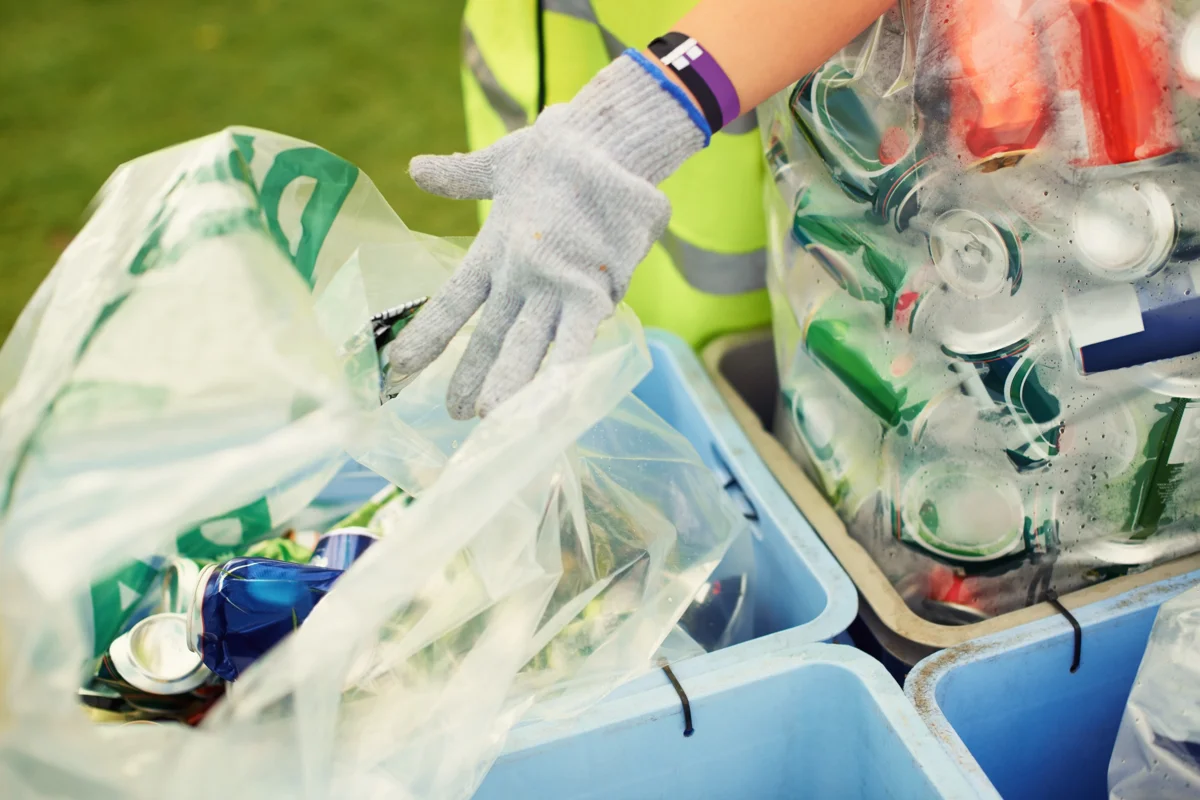
Stock image for reference purpose only
Greece is preparing to give aluminium cans and 3plastic bottles a new economic value, with consumers set to receive their deposits back when they return used beverage containers for recycling. The initiative marks a significant step towards strengthening the country's packaging recovery infrastructure, while creating a more organised supply of recyclable materials for the packaging industry.
The nationwide Deposit Return System (DRS), approved by the Hellenic Recycling Agency for DRS Hellas, is expected to begin operations in 2027. The initiative will introduce a nationwide collection network, with the potential to handle approximately 5 billion beverage containers annually.
DRS Hellas to establish 8,700 collection points across Greece
DRS Hellas plans to develop a network of 8,700 collection points across the country. The infrastructure will combine automated reverse vending machines installed at selected supermarkets and public spaces with manual collection facilities at participating retail outlets.
The proposed network comprises approximately 3,700 automated machines and 5,000 manual return locations. The system is expected to require an industry investment of around €260 million, reflecting the scale of infrastructure and operational arrangements needed to establish a nationwide deposit-return mechanism.
The rollout will also account for Greece's geographical characteristics, including its islands, tourist destinations and seasonal variations in beverage consumption. These factors will influence the distribution of collection facilities and the accessibility of return services.
The implementation plan envisages a substantial proportion of the collection infrastructure being operational at launch, with the remaining facilities developed as the network expands.
Participate in AL Circle's upcoming e-Magazine - Smart ALuminium: Advancing Industrial Technologies in 2027 to showcase the advancement of technologies in aluminium recycling
How consumers will recover deposits on aluminium cans and plastic bottles
Under the new arrangement, consumers will pay a refundable deposit when purchasing eligible beverages. The amount will depend on the container's capacity:
- EUR 0.10: Containers holding up to and including 500 ml.
- EUR 0.15: Containers larger than 500 ml and up to 3 litres.
The deposit will appear separately from the beverage's selling price and will be returned through a deposit receipt when the empty packaging is handed over at an authorised collection point. Consumers can redeem the receipt against purchases at participating retailers.
The system will use barcode scanning to identify eligible packaging, record returned containers and process the corresponding refunds. Containers must be empty, intact and carry the designated DRS marking to qualify for acceptance.
Which beverage containers qualify for the deposit-return scheme?
The scheme will cover single-use plastic and metal beverage containers, including aluminium cans, with capacities of up to 3 litres.
Eligible beverage categories include:
- Bottled and sparkling water
- Soft drinks and carbonated beverages
- Fruit and vegetable juices
- Energy drinks
- Beer and other fermented beverages
Glass bottles, beverage cartons and plastic or metal packaging used for wine, spirits, milk and dairy products will remain outside the scheme as of now.
Looking for secondary aluminium? Explore a wide range of aluminium scrap and recycled aluminium products from global suppliers on AL Biz
Greece targets 90 per cent separate collection by 2029
Beyond establishing collection infrastructure, Greece has set an ambitious recovery target for the initiative. The country aims to separately collect at least 90 per cent of the beverage containers covered by the scheme by 2029.
Around 65 per cent of the planned collection infrastructure is expected to be in place when operations commence. This phased approach will allow the system to build its nationwide presence while developing the collection, transportation, sorting and recycling capabilities required to manage returned packaging.
The hospitality sector will also require a dedicated collection arrangement. Restaurants, cafes and hotels account for approximately 43 per cent of beverage packaging distribution, making their participation important to the overall recovery effort.
Aluminium recycling gains a dedicated collection channel
With DRS, instead of relying solely on conventional waste collection channels, eligible packaging will enter a separate recovery stream designed to improve material identification, sorting and recycling.
Following collection, the recovered plastic and metal will be directed towards recycling facilities, allowing these materials to re-enter the manufacturing cycle as secondary raw materials.
DRS Hellas will operate on a not-for-profit basis, with available resources reinvested in the system's development and operation. Its responsibilities will encompass collection logistics, transportation, sorting, digital infrastructure and consumer awareness initiatives.
To know the world's future aluminium recycling market and its growing trends, download our report - World Recycled ALuminium Market Analysis Industry Forecast
Grow with
AL Circle












_md.webp)