Less carbon, more circularity: Trimet gives aluminium recycling a cleaner makeover
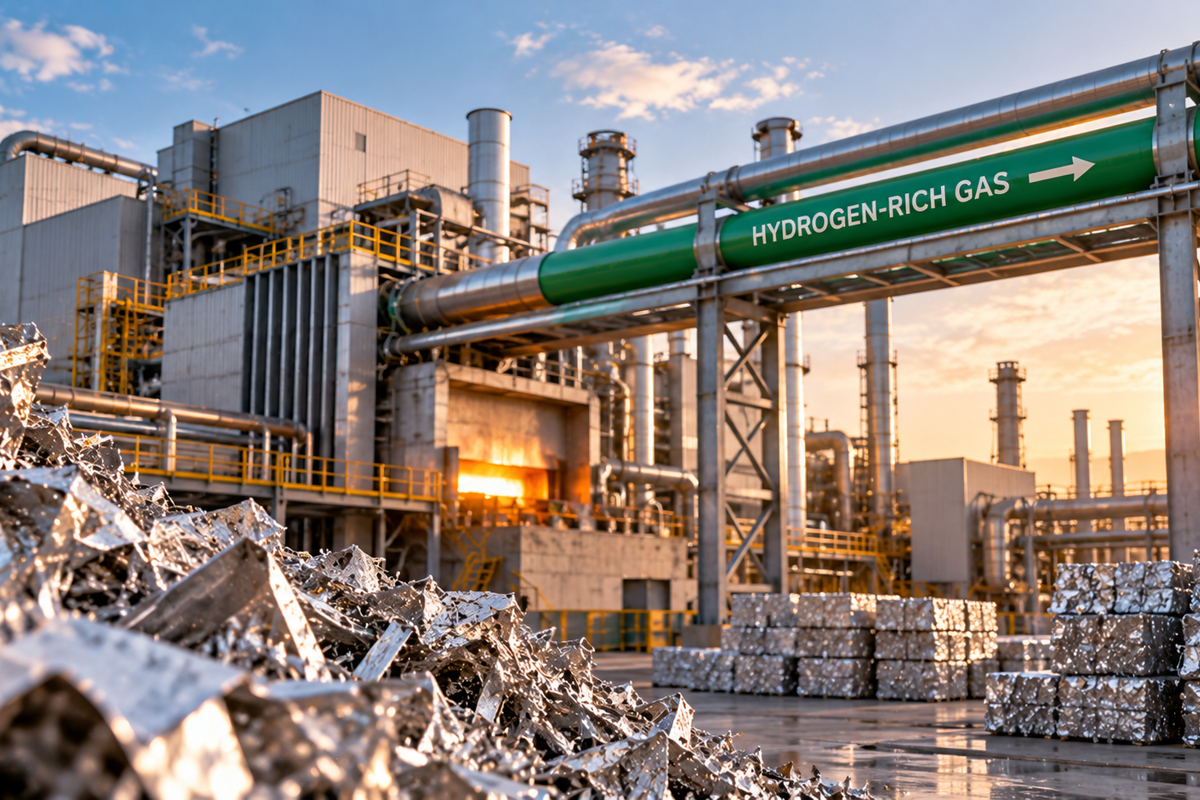
The image used in this article is generated with an AI tool and does not depict any real-time moment.
Trimet has reduced direct carbon dioxide (CO2) emissions at its aluminium recycling plant in Gelsenkirchen, Germany, by 25 per cent, saving approximately 4,000 tonnes annually through a transition to hydrogen-rich coke oven gas. The new energy supply system, commissioned on October 29, 2026, will power the site's melting furnaces using industrial gas containing more than 60 per cent hydrogen.
The coke oven gas is sourced from ArcelorMittal's coking plant in neighbouring Bottrop and supplied to Trimet through Uniper Energy Sales via the existing gas pipeline network. A new supply line, approximately 700 metres long, was installed to connect the recycling facility at Gelsenkirchen's inland port to the network.
According to Trimet, coke oven gas generates lower CO2 emissions during combustion than fossil natural gas because of its high hydrogen content. The transition is expected to reduce the plant's direct emissions by approximately 4,000 tonnes per year, equivalent to around a quarter of its previous emission levels.
The new arrangement also prepares the melting furnaces for a potential transition to full hydrogen operation. Trimet said this could become possible once hydrogen is available on an economically viable basis.
Andreas Lützerath, member of the Executive Board of Trimet Aluminium SE, highlighted the importance of producing basic materials competitively while reducing their environmental impact.
“A strong domestic industry requires a high-performing basic materials sector, in which aluminium plays a vital role. It is therefore all the more important to produce this material domestically in a way that is both competitive and climate-friendly,” Lützerath said. He also added that industrial sites must consistently leverage their potential, noting that the use of industrial gas creates synergies, conserves resources and avoids emissions.
Join the fourth edition of webinar "Hedging for recyclers - Become an expert in 6 hours" by Jorge Dyszel.
Recycling capacity and renewable energy expansion
The latest energy upgrade follows three years of modernisation and expansion at Trimet's Gelsenkirchen recycling plant. These improvements increased its annual production capacity by approximately 20 per cent to 70,000 tonnes of recycled aluminium.
The company has also restructured the site's energy supply. A solar power installation covering approximately 3,000 square metres, with a maximum output of more than 600 kW, now generates electricity for the plant's own consumption.
In addition, Trimet plans to utilise industrial waste heat for the public district heating network in Gelsenkirchen, extending the site's energy efficiency efforts beyond its own production operations.
The combination of hydrogen-rich coke oven gas, on-site solar power and planned waste heat utilisation forms part of the company's broader efforts to reduce emissions while expanding recycled aluminium production.
Looking for aluminium recycling service providers? Browse through a comprehensive list here.
Grow with
AL Circle