Aluminium Recycling Plant
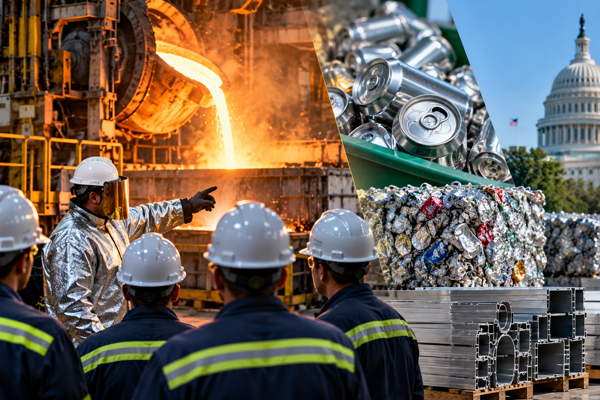
Aluminium safety workshop trains 120+ workers as US industry targets stronger domestic supply chains
The US aluminum industry is placing renewed emphasis on workforce safety, domestic production, and material recovery, with the Aluminum Association’s sold-out Casthouse Safety Workshop in Charlotte, North Carolina, highlighting the importance of safe molten aluminum handling. The program trained more than 120 industry workers and has been running for over 30 years, with the Association describing it as a global benchmark for casthouse operators and supervisors. The workshop comes as the industry continues to focus on strengthening domestic manufacturing capabilities and supply chains. Alongside workforce training, the Aluminum Association has called for bipartisan permitting reform to accelerate investment in US aluminum production, arguing that faster approvals could help unlock the...
Red mud waste to stronger cement: Sulphate activation delivers 7.33 MPa compressive strength
China’s growing red mud waste problem could offer an opportunity for the construction industry, as new research has demonstrated how aluminium industry residue can be converted into stronger cementitious materials. The study found that sulphate activation using flue gas desulphurisation gypsum achieved a compressive strength of 7.33 megapascals (MPa), more than double that of untreated mixtures. Researchers also identified the fractal geometry of microscopic pores as a potential indicator of material strength. The findings could support efforts to develop low-carbon construction materials from industrial waste, including red mud generated during alumina refining. However, the results also highlight a key engineering trade-off: the activation method that delivered the highest compressive...
Grow with
AL Circle
Price
→Events

Business Cards
A report that reveals where the aluminium casting industry is heading and how businesses can act.
LEARN MORE
A report that reveals where the aluminium casting industry is heading and how businesses can act.
LEARN MOREEurope’s recycled aluminium production: Germany, Italy and the UK anchor a competitive market
Global EV sales to hit 35.4 million by 2030, with aluminium usage forecast to rise 38% in North America & 79% in China
AL Circle analysis: How do Germany’s 32.8% automotive aluminium share, 40% Diet Coke can price rise & 3.54Mt North American extrusion demand matter?
AL Circle Analysis: Guinea’s 150Mt bauxite cap, China’s import swings, US tariffs draw aluminium Q4’26
EU approves Germany’s power relief instrument: Could aluminium producers save €459m annually?
News
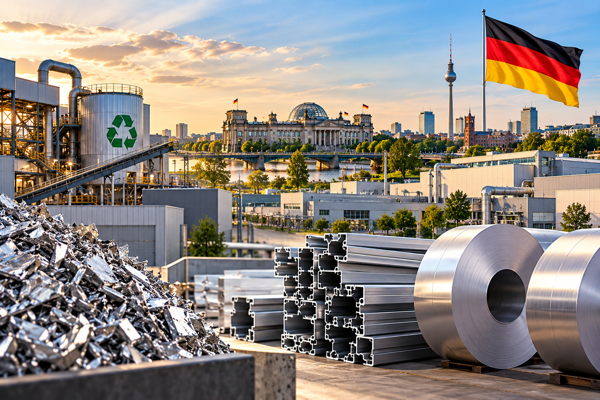
Who’s holding up Germany’s aluminium game? Meet EGA, Hydro and Constellium
Germany does cars, machinery and engineering rather well, and all of that needs a lot of aluminium. So, when three international players put serious money and muscle into the country's aluminium industry, it's worth a look. Together, the three companies offer an interesting snapshot of more recycling, more specialised products, stronger local supply chains and lower-carbon production. Here is who is doing what, and why it matters. EGA: The Gulf giant moving into Hannover Emirates Global Aluminium (EGA) is the world's largest "premium aluminium" producer. It already ships over 600,000 tonnes of primary aluminium to Europe every year, with the automotive and construction industries among its key customers. Then it did something it hadn't done in a decade: it bought a company. That company...

Yamaha’s recycled aluminum breakthrough targets 47,000-tonne annual CO2 reduction
Yamaha Motor Co. Ltd. will progressively replace conventional virgin aluminum with recycled aluminum alloy in its proprietary all-aluminum DiASil Cylinders, marking a move to recycled materials in a high-performance motorcycle component. Once the transition is completed across all products using DiASil Cylinders, targeted for 2030, Yamaha estimates that the switch will reduce CO2 emissions by approximately 47,000 tonnes annually. The transition will initially begin with commuter motorcycle models produced in Indonesia before a planned global rollout. Recycled aluminum meets DiASil requirements The DiASil Cylinder is an all-aluminum cylinder design that requires neither an iron sleeve nor plating. Yamaha Motor developed and deployed the technology in 2002 and uses it across a range of...
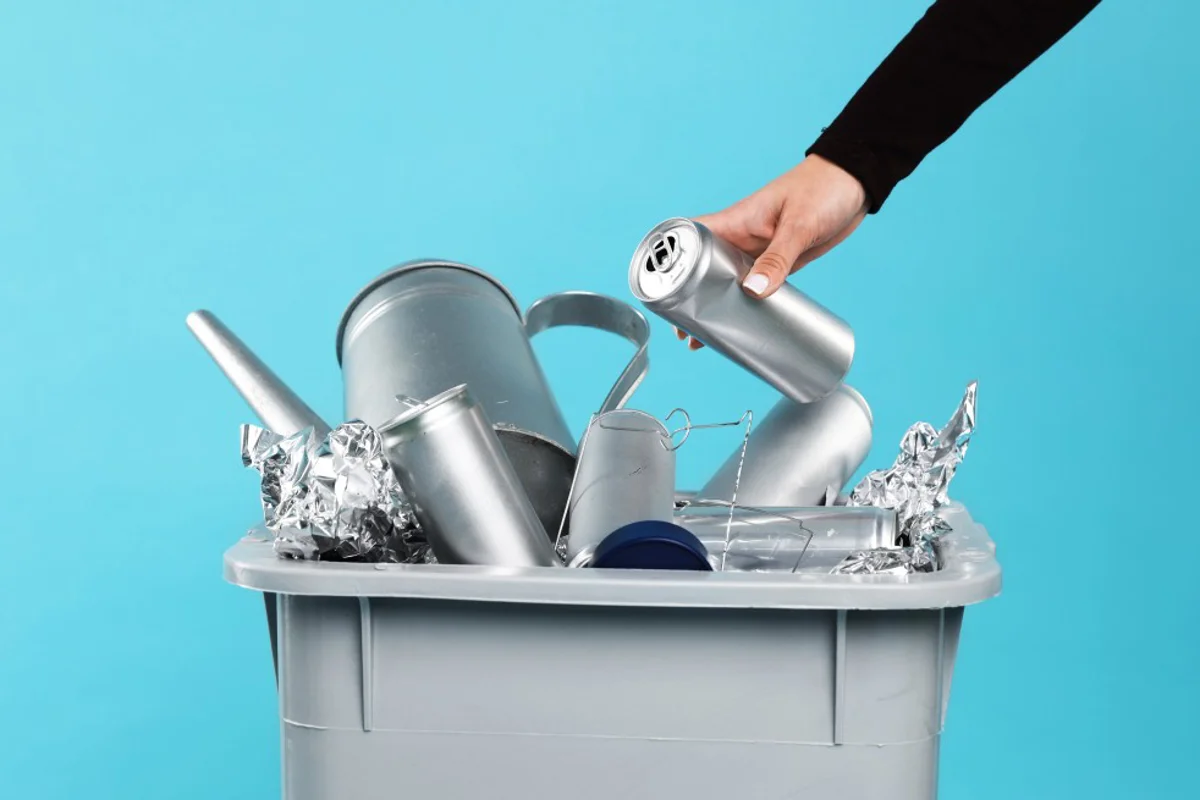
The second life of an aluminium can depends on one crucial step
Aluminium’s lower-energy recycling process offers a major sustainability benefit, but collection, recovery and credible evidence are needed to turn that potential into measurable results. The challenge extends beyond whether a can is recyclable. It is about keeping aluminium in circulation and demonstrating what happens to it after use. GlobalData’s Q3 2025 survey of 21,000 people across 42 countries offers one indication of the communication challenge: consumers associate metal drinks packaging with sustainability far less often than glass. The survey asked about overall metal packaging. Nonetheless, the findings are relevant to aluminium, a major material in beverage packaging. Only 21 per cent of respondents considered metal a sustainable choice for alcoholic drinks packaging, while 22...
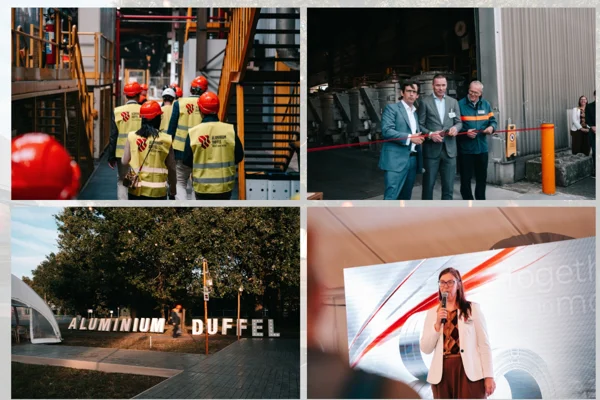
Aluminium Duffel reopens Greenmelt facility and strengthens its commitment to circular aluminium
On September 23, Aluminium Duffel officially reopened its Greenmelt recycling furnace. The reopening marks an important milestone in the company’s anniversary year, as it celebrates its 80th anniversary and underscores its ambition to continue investing in sustainable and circular aluminium production. During an event at the Duffel site, CEO Rafael Carbonell officially reopened the Greenmelt in the presence of numerous stakeholders. With this, Aluminium Duffel took an important step toward a circular future. Aluminium is a material that can be recycled indefinitely without any loss of quality. That is why recycling plays an increasingly important role in Aluminium Duffel’s strategy. Join the fourth edition of webinar "Hedging for recyclers - Become an expert in 6 hours" by Jorge Dyszel....
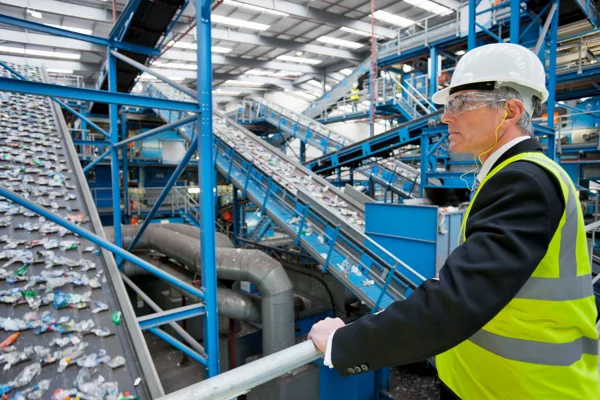
US aluminum landfill loss can become domestic supply opportunity, says waste intelligence firm
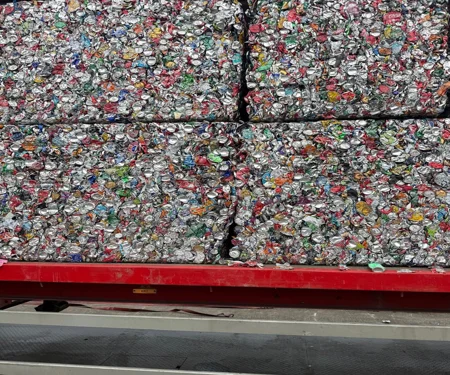
The United States is sending more than $1 billion worth of aluminum cans to landfills each year, even as it relies heavily on imports of the metal. According to London-based AI waste intelligence company Greyparrot, the discarded cans represent around 11 million megawatt-hours of wasted energy annually. The scale of the lost material becomes clearer at the recycling plant level. Data from Greyparrot’s Analyzer systems at Circular Services’ Sunset Park material recovery facility (MRF) in Brooklyn, New York, shows that 89 percent of aluminum reaching the sorting belt is recoverable. The facility processes roughly 91,000 cans per day, equivalent to about 514 metric tons per year, and recovers nearly nine out of every 10 cans that pass through its sorting lines. Greyparrot released the...
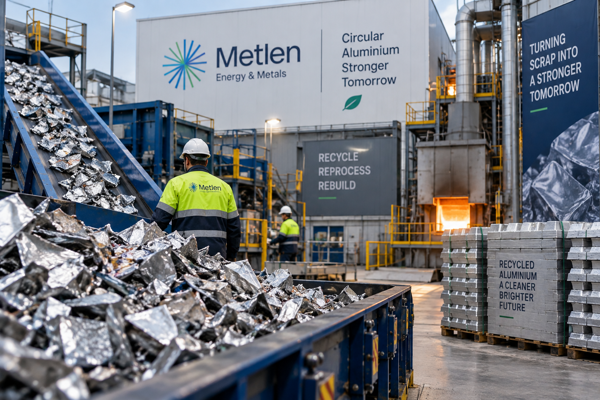
Metlen invests €25m to expand recycled aluminium capacity in Greece
Metlen Energy & Metals PLC is investing EUR 25 million in its recycled aluminium production facility EP.AL.ME. in Greece, targeting higher processing capacity and greater use of complex aluminium scrap streams. The investment will fund automated sorting, processing and melting equipment at EP.AL.ME., which Metlen describes as Greece’s largest independent recycled aluminium producer. The project will allow the facility to process more complex scrap, including post-consumer aluminium recovered from end-of-life products. The expansion will connect EP.AL.ME. more closely with Metlen’s Aluminium of Greece facility. EP.AL.ME. will manage the collection, sorting and pre-processing of aluminium scrap, while Aluminium of Greece will provide the production scale needed to incorporate recycled metal...















Blog
LATEST POSTS





Turn marketplace visibility into more relevant buyer enquiries.
View Priority Plans
Turn marketplace visibility into more relevant buyer enquiries.
View Priority Plans
