The recycling blind spot: AI reveals why aluminium aerosols are harder to recover
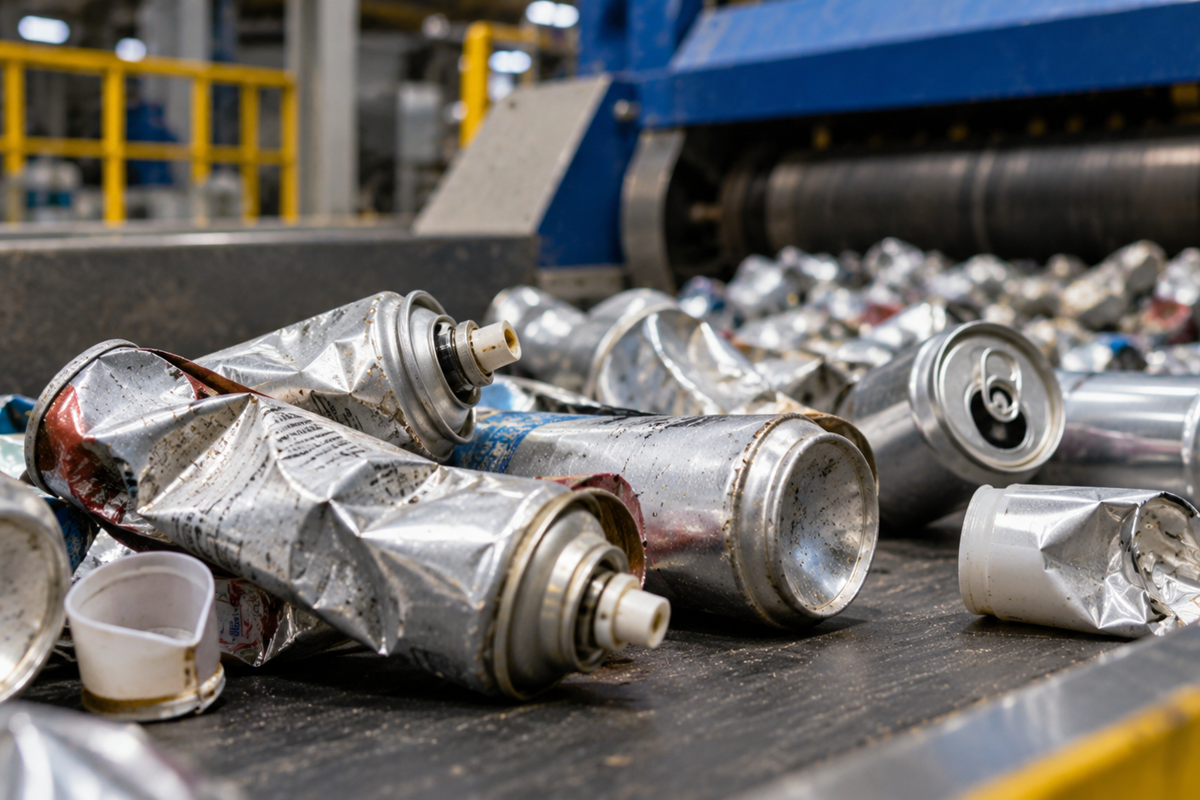
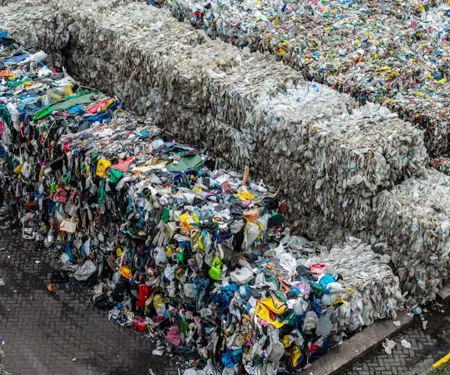
The image used in this article is generated with an AI tool and does not depict any real-time moment
Aluminium aerosol cans are significantly less likely to be recovered during recycling operations than conventional drinks cans, according to new research by waste intelligence company Greyparrot. An AI-powered analysis of waste streams found that aluminium aerosols recorded a sorting success rate of 68 per cent, compared with 85.3 per cent for drinks cans, highlighting the challenges faced by recycling facilities in recovering non-beverage aluminium packaging.
The findings were generated through Greyparrot's Deepnest platform, which analysed 1.2 billion waste items across facilities in the UK, the US and the Netherlands, including 395,424 aerosols. The results were discussed during a recent webinar involving representatives from waste management company Biffa, packaging manufacturer Ball Corporation and the Aluminium Packaging Recycling Organisation (Alupro).
AI analysis identifies challenges in aerosol recovery
Greyparrot estimates that the overall aerosol recycling rate is approximately 40 per cent when losses during household collection are included. The 68 per cent sorting success rate therefore reflects the performance of recycling facilities in separating aerosols that reach their infeed points, rather than the proportion of all discarded containers ultimately recycled.
One of the most significant findings was the extent of physical damage to aerosol containers before they reach sorting facilities. According to Greyparrot, 88 per cent of aerosols arrive at facility infeed points squashed or misshapen, primarily because of compaction during waste collection rather than damage inside recycling plants.
Their construction also makes separation more complicated. Compared with drinks cans, aerosols can have thicker metal walls and additional plastic or steel components, affecting how they respond to eddy current separators.
These machines use magnetic fields to separate non-ferrous metals from mixed waste streams. However, the additional weight of non-conductive plastic components can reduce the distance aerosols are ejected, potentially causing them to miss the intended collection stream. Steel valve cups may also result in some containers being diverted into ferrous metal streams by overhead magnets.
Join the fourth edition of webinar "Hedging for recyclers - Become an expert in 6 hours" by Jorge Dyszel.
Detached components add to sorting difficulties
Greyparrot's analysis also identified the extent to which aerosol components become separated before sorting. More than 96 per cent of aerosol caps and approximately half of spray nozzles were found to have detached before reaching the sorting stage.
The separated plastic components may enter residual waste streams, while plastic remaining attached to recovered metal is generally removed during subsequent smelting.
During the webinar, participants identified adjustments to eddy current separator belt speeds, rotor speeds and splitter positions as potential ways to improve the recovery of heavier aerosol containers.
These changes could help recycling facilities improve the capture of aerosols that might otherwise be lost during conventional separation processes.
Showcase your brand, aluminium recycling initiatives and sustainability vision in our upcoming magazine: Sustainability & Recycling: Aluminium’s Commitment 2026.
UK deposit return scheme could reshape aluminium recycling
The findings come as the UK prepares to introduce its deposit return scheme (DRS) for drinks containers in October 2027. As drinks cans increasingly move into dedicated collection systems, aerosols could account for a greater proportion of the aluminium remaining in kerbside recycling streams.
This could increase the importance of adapting materials recovery facilities (MRFs) to identify and separate non-beverage aluminium packaging more effectively.
Under packaging extended producer responsibility arrangements, the UK has set a 50 per cent recycling target for non-beverage aluminium by 2030, according to Alupro.
The organisation's UK Aerosol Recycling Initiative has previously highlighted weaknesses in both collection and sorting. Research undertaken by Resource Futures found that 56 per cent of non-ferrous aerosols and 63 per cent of ferrous aerosols were present in recycling rather than residual waste streams in the local authority areas examined.
The initiative has called for improvements in public recycling information, collection arrangements and the ability of MRFs to identify and separate aerosol containers.
Greyparrot's latest findings add further operational evidence to these concerns, identifying how packaging design, physical deformation and separator configurations influence the likelihood of aerosol recovery.
For recycling operators, improving capture rates could help reduce the loss of valuable secondary aluminium and limit the amount of recoverable metal sent for disposal. The findings also highlight opportunities to improve aerosol recovery through adjustments to sorting equipment, particularly eddy current separator settings.
Looking for secondary aluminium? Explore a wide range of aluminium scrap and recycled aluminium products from global suppliers on AL Biz.
Grow with
AL Circle