Can Horizon Europe reshape EU India aluminium cooperation?
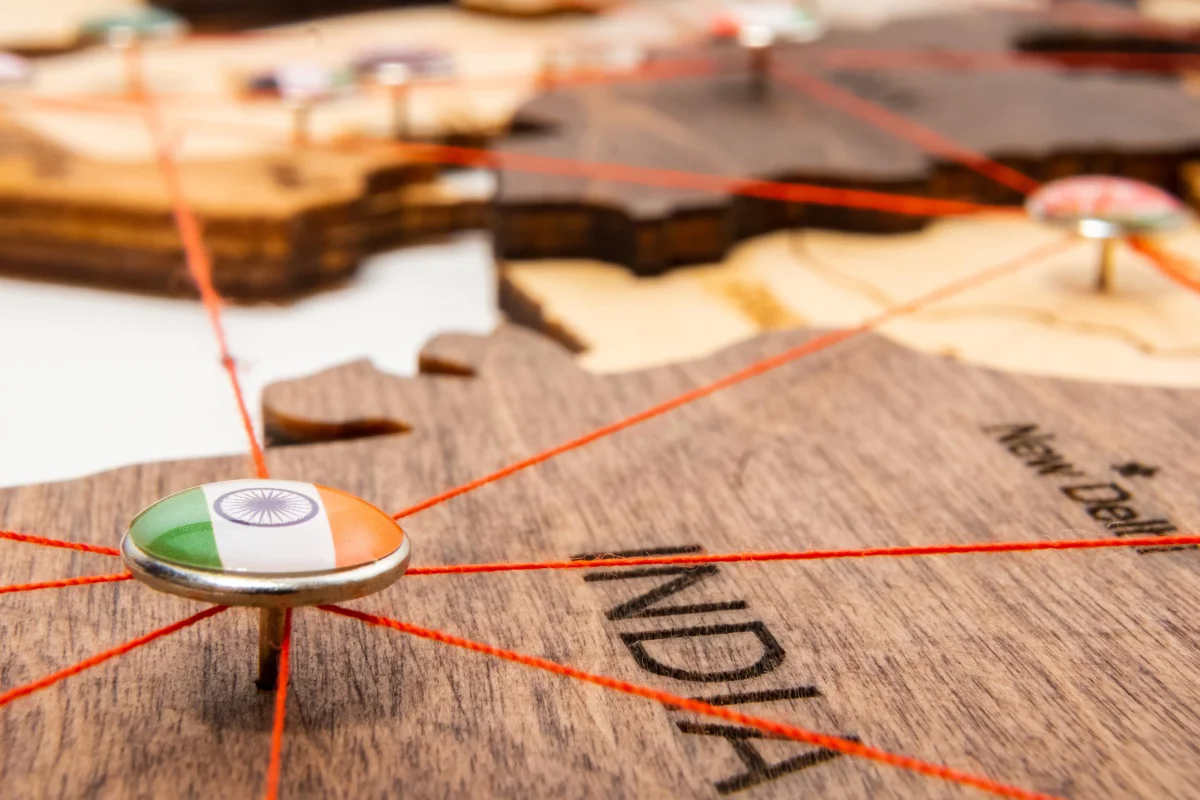
Stock image for referential purposes only
The European Union (EU) and India concluded negotiations on India’s association with Horizon Europe on 6 November 2026. For the aluminium industry, this is more than a research-policy announcement. Once the agreement has been signed, the necessary procedures completed and the association brought into force, eligible Indian organisations should be able to receive Horizon Europe funding directly and lead collaborative projects under Pillar II, subject to the conditions of each call. Association is envisaged from January 2027.
This could give Indian aluminium producers, recyclers, technology companies and research organisations a stronger route to European partners, testing facilities and industrial know-how. European companies, in turn, could gain access to India’s manufacturing scale, engineering capacity and fast-growing demand for lower-carbon materials. The opportunity is particularly relevant because the sector is being reshaped simultaneously by decarbonisation, the EU Carbon Border Adjustment Mechanism and tighter European rules on waste shipments.
Why aluminium is an immediate test case
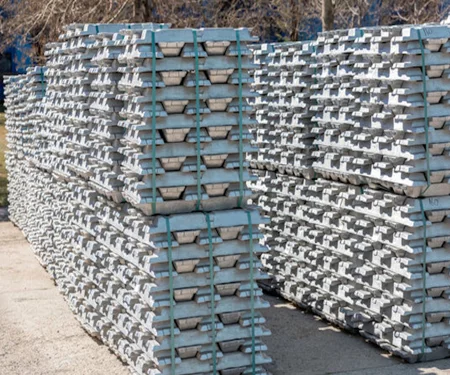
India produced a record 4.2 million tonnes of primary aluminium in the 2024–25 financial year, according to the Ministry of Mines. At this scale, even incremental improvements in electricity use, material recovery, alloy control and residue treatment can have a substantial economic and environmental effect.
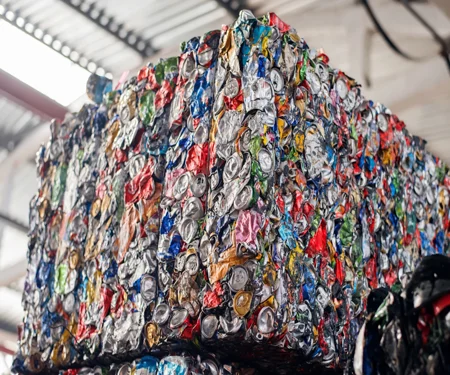
Secondary aluminium is equally important. Remelting scrap requires far less energy than producing primary metal, while recycled inputs can help manufacturers reduce the embedded emissions of products sold in Europe. In 2025, the EU exported approximately 1.61 million tonnes of recyclable metallic materials to India. Industry estimates suggest that Europe supplies about one fifth of India’s aluminium and lead scrap imports, although the proportion varies from year to year.
The commercial relationship is therefore complementary: European scrap supports Indian recycling and manufacturing, while European buyers source competitively priced semi-finished and finished aluminium products from India. Yet this circular value chain now faces a regulatory risk.
To know the world's future aluminium recycling market and its growing trends, download our report - World Recycled ALuminium Market Analysis Industry Forecast
The scrap issue and what Horizon Europe cannot do
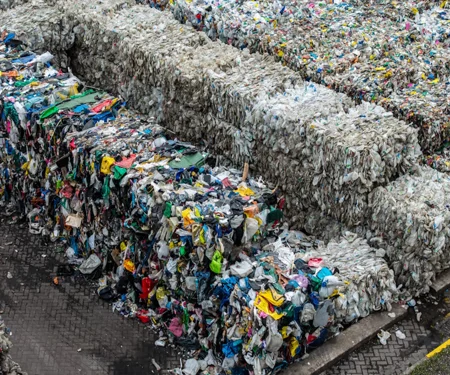
Under the EU Waste Shipment Regulation, stricter rules for exports of non-hazardous waste to non-OECD countries will apply from 21 May 2027.
Countries wishing to continue receiving specific waste streams must demonstrate that those materials will be managed in an environmentally sound manner. In the European Commission’s current draft assessment, India would be authorised for several waste categories but not for metal waste.
This is not necessarily permanent. The Commission’s list will be updated regularly and at least every two years, and countries may submit additional evidence. However, Horizon Europe is not a legal shortcut. A research grant cannot replace the Commission’s assessment, create an exemption from the Waste Shipment Regulation or automatically restore metal-scrap exports.
Research cooperation can nevertheless address some of the industrial and evidentiary weaknesses behind the problem. Joint projects could improve scrap sorting and alloy identification, digital chain-of-custody systems, emissions monitoring, metal recovery, treatment of dross and other residues, and the consistency of plant-level environmental data. Demonstrators could also produce independently verified evidence of performance. This would not determine the Commission’s decision, but it could help companies and authorities build a stronger technical record for a future assessment.
Participate in AL Circle’s upcoming e-Magazine Smart ALuminium: Advancing Industrial Technologies in 2027 to showcase the advancement of technologies in aluminium recycling
Where companies should look
Horizon Europe’s Pillar II covers industrial technologies, advanced materials, climate and energy. Cluster 4, Digital, Industry and Space, is particularly relevant to low-carbon manufacturing, circular production and industrial digitalisation. Cluster 5, Climate, Energy and Mobility, can support work on renewable energy, storage, electrification, hydrogen and energy-system integration.
One forthcoming opportunity deserves attention, but its scope must be described precisely. The 2027 call “R&I in Support of the Clean Industrial Deal” includes the topic HORIZON-CID-2027-01-01 on the decarbonisation of energy-intensive industries. The topic is linked to the Processes4Planet and Clean Steel partnerships, is expected to open on 12 January 2027 and close on 15 September 2027, and has an indicative budget of €125 million. It is not an India-specific programme and it does not guarantee that every aluminium project or Indian participant will be eligible. Participation will depend on the final association arrangements and the topic’s formal eligibility, consortium and technical conditions.
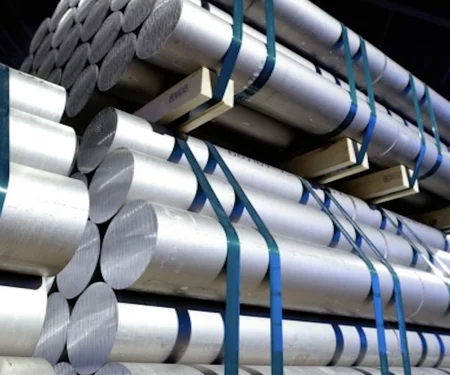
For the aluminium value chain, suitable proposals could concern renewable process heat, electrification, energy management, cleaner remelting, advanced sorting, alloy separation, digital traceability or the recovery of valuable materials from residues. The strongest projects will connect research to an operating facility where a technology can be tested at industrially meaningful scale.
Looking for secondary aluminium? Explore a wide range of aluminium scrap and recycled aluminium products from global suppliers on AL Biz
From a funding application to an industrial partnership
Companies should begin with a measurable industrial need. Indian and European partners should identify the process to be improved, quantify its present costs and environmental impacts, select a facility for testing and determine which additional capabilities must come from technology providers, universities, research centres or verification bodies.
They should then match that project with the most appropriate Horizon Europe topic and examine funding eligibility, consortium composition, intellectual-property arrangements and commercialisation plans. European research funding generally supports pre-competitive collaboration, but the relationships formed through a project can later develop into supply agreements, licensing, investment or longer-term technology partnerships.
For aluminium, the strategic value of India’s association with Horizon Europe will therefore depend less on the headline funding figure than on how companies use the programme. If treated simply as a source of grants, its industrial effect may be very limited. If used to connect European technology and research infrastructure with Indian manufacturing and recycling capacity, it could support cleaner metal, stronger circular supply chains and more credible environmental performance.
For a full detailed examination of the Association INDIA-EU Horizon Europe, participation conditions, relevant Horizon Europe calls and recommended preparatory actions, readers can consult eEuropa’s free eBriefing on the EU–India Horizon Europe Association.
Note: This article has been shared by Paolo Licandro | CEO of eEuropa and has been published by AL Circle with its original information without any modifications or edits to the core subject/data.
Grow with
AL Circle












_md.webp)
_md.webp)
_md.webp)