Europe Aluminium Recycling Challenges

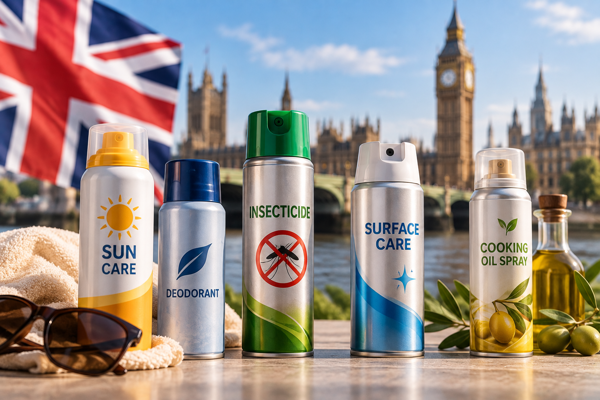
529m metal aerosol units sold in UK in 2025 as demand shifts across categories
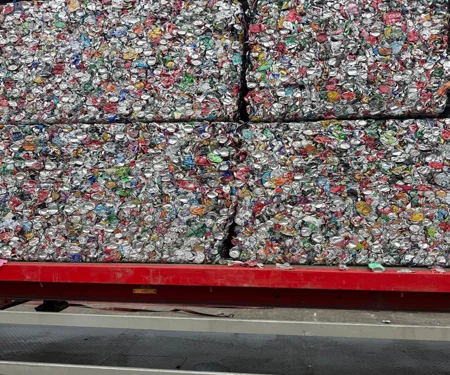
UK aluminium and metal aerosol packaging sales reached approximately 529 million units in 2025, with strong growth in selected personal care, household and food applications offsetting declines in other categories, down from approximately 567 million units in 2016, according to data from the British Aerosol Manufacturers’ Association (BAMA), based on Euromonitor research. While the overall volume has declined over the decade, the figures point to a more mixed picture for the UK aerosol market. Several applications have recorded significant growth, with BAMA highlighting a positive pattern emerging since 2021 following the downturn during and after the pandemic. “Overall, we see a resilient performance in UK aerosol sales”, said Patrick Heskins, chief executive of BAMA. He noted that...
Hydro highlights need for stronger aluminium scrap safeguards under EU waste rules
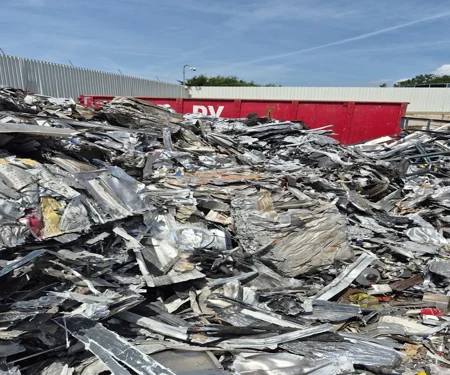
Hydro is calling for stronger measures to keep more aluminium scrap in Europe and support investment in the region’s recycling capacity. The company made the call during European Commission Executive Vice-President Stéphane Séjourné’s visit to Hydro’s aluminium recycling plant in Clervaux, Luxembourg. The facility processes post-consumer aluminium scrap from vehicles, buildings and infrastructure and has an annual capacity of 115,000 tonnes. Discussions during the visit covered aluminium scrap exports, the EU Waste Shipment Regulation and the policy conditions needed to support recycling in Europe. Rising scrap exports pressure recyclers The EU is considering a 15 per cent levy on aluminium scrap exports to retain more recyclable metal within Europe. The proposal comes as EU scrap exports...
Grow with
AL Circle
Price
→Events

Business Cards
A report that reveals where the aluminium casting industry is heading and how businesses can act.
LEARN MORE
A report that reveals where the aluminium casting industry is heading and how businesses can act.
LEARN MOREEurope’s recycled aluminium production: Germany, Italy and the UK anchor a competitive market
Global EV sales to hit 35.4 million by 2030, with aluminium usage forecast to rise 38% in North America & 79% in China
AL Circle analysis: How do Germany’s 32.8% automotive aluminium share, 40% Diet Coke can price rise & 3.54Mt North American extrusion demand matter?
AL Circle Analysis: Guinea’s 150Mt bauxite cap, China’s import swings, US tariffs draw aluminium Q4’26
EU approves Germany’s power relief instrument: Could aluminium producers save €459m annually?
News
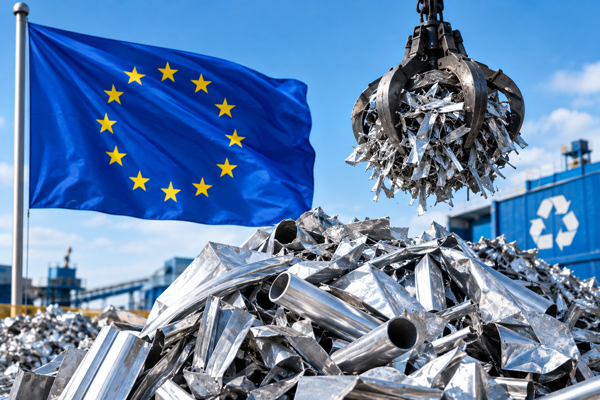
EGA reviews German recycling expansion after EU drops 15% aluminium scrap duty
Emirates Global Aluminium (EGA) has expressed concern over the European Union’s decision to drop a proposed 15 per cent export duty on aluminium scrap, saying the move could affect its plans to expand recycling capacity in Germany. The EU withdrew the proposed duty earlier this month. The measure was intended to keep more aluminium scrap within the bloc, but concerns over its possible impact on the final signing of a free trade agreement with India contributed to the decision. Pal Kildemo, EGA’s finance chief, said the company had already invested heavily in Europe to support higher aluminium recycling rates. He said "We put a lot of capital... on the ground to take part in the larger recycling rates in Europe. And when this becomes a part of bigger trade politics, it's unfortunate for...

EU aluminium scrap export measure delayed as Commission shifts from duty to non-OECD restrictions
The European Commission has delayed its planned measures on aluminium scrap exports, replacing the earlier proposal for export duties with restrictions on waste shipments to non-OECD countries. European Aluminium said the change has added to discomfort across the aluminium industry, which has been waiting for measures to address the rising flow of scrap out of Europe. The association is now calling for a trade measure with wider territorial coverage and product scope. The Commission had initially planned to introduce restrictions in the second quarter of 2026, later moving the timeline to September. The proposed export duty has now been withdrawn, with the Commission instead preparing a delegated act under the Waste Shipment Regulation. Under the new approach, exports of waste, including...

BAMA calls for industry-wide action to improve aerosol recycling messaging
BAMA is bringing together the aerosol industry to develop a more consistent recycling message and strengthen consumer understanding of aerosol sustainability. The British Aerosol Manufacturers’ Association (BAMA) is calling for industry-wide collaboration to improve how aerosol recycling is communicated to consumers, opening an online discussion to both members and non-members on September 14. The association wants to bring together as many voices from across the aerosol industry as possible to develop a more aligned approach to recycling communications. BAMA Chief Executive Patrick Heskins said the industry's ability to recycle aerosols is a key part of their sustainability credentials, but clear consumer messaging is needed to support better recycling outcomes. “Getting consumer...

EGA expands European aluminium recycling footprint with 80% Eco Green acquisition
Emirates Global Aluminium has completed its acquisition of an 80 per cent stake in Italy's Eco Green, strengthening its aluminium scrap collection, sorting and recycling network across Europe. Emirates Global Aluminium (EGA) is expanding its aluminium recycling business in Europe with the completed acquisition of an 80 per cent stake in Italian recycler Eco Green, adding scrap collection, sorting, casting and dross-processing capabilities to its growing recycled aluminium network. The deal, first announced in April, has cleared all required regulatory approvals and closing conditions. Eco Green will now be rebranded EGA Eco Green, while the Scappini family will retain a minority stake and remain involved in management. The acquisition gives EGA access to a wider pool of aluminium scrap in...

Buying Indian secondary aluminium? Start with these seven verifications
Secondary aluminium is increasingly central to Europe’s decarbonisation plans. It is used in automotive castings, construction profiles, packaging and consumer goods and is valued because it can deliver similar mechanical properties to primary metal while requiring a fraction of the energy and emitting far less carbon dioxide. The European Union’s Emissions Trading System (ETS) and the Carbon Border Adjustment Mechanism (CBAM) have made low-carbon aluminium a strategic priority. As India’s scrap aluminium imports have continued to rise, from 0.88 million tonnes in CY15 to nearly 2 million tonnes in CY25, with a long-term CAGR of about 8.6 per cent, stronger traceability and licensing requirements are becoming increasingly important across the secondary aluminium supply chain. For this...

Metal Morph raises $944k to recover aluminium chemicals from wastewater
London-based water technology company Metal Morph has raised USD 944,000 in pre-seed funding to develop technology that recovers aluminium- and iron-based treatment chemicals from municipal and industrial wastewater. The round, announced on August 13, 2026, was co-led by Sustainable Ventures and Green Angel Ventures, with participation from Aqcelerator and Found Capital. Metal Morph will use the funding to advance its resource-recovery technology, support industry pilots and expand into European markets. The company’s process is designed to capture treatment chemicals that would otherwise be discharged into sewers, sent to landfill or spread on land, and return them to water-treatment operations. Recovering aluminium-based treatment chemicals Metal Morph’s technology is not recycling...












_1788170554.903_md.webp)
_1788170554.903_md.webp)

Blog
LATEST POSTS





Turn marketplace visibility into more relevant buyer enquiries.
View Priority Plans
Turn marketplace visibility into more relevant buyer enquiries.
View Priority Plans
