UK’s aluminium scrap exports grow 9% during Jan-Apr 2026, despite declines to India, Hong Kong, Germany & China
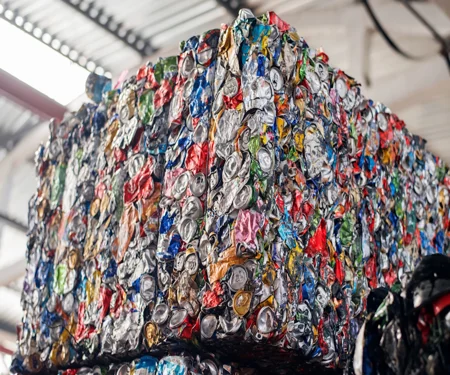
Stock image for referential purposes only
The UK is one of the largest consumer hubs in the European continent, collecting several thousand tonnes of aluminium scrap each month. In 2025, the United Kingdom’s total aluminium scrap exports reached 623,584 tonnes, according to Customs data. These volumes have been on the rise since the start of this decade as collection grows and the domestic recycling capacity remains largely stagnant. Domestic manufacturing trade agency Make UK has advocated the country needs a 25 per cent annual growth rate in recycling capacity to meet its Modern Industrial Strategy demands. It acknowledges that around 84 per cent of the UK’s aluminium scrap is still being exported today. In January-April 2026, the UK’s aluminium scrap exports climbed 9 per cent to 217,611 tonnes from 200,374 tonnes in the year prior.
Although the exports to some of the leading countries like India, Hong Kong, and China have decreased during the period, yet the country’s overall exports increased, mainly driven by the United States. Here are the top destinations of the United Kingdom’s aluminium scrap exports during January-April 2026, and also in general.
India
The Indian secondary aluminium sector is one of the largest of its kind across the world. The country is a net importer of aluminium scrap with an annual recycling capacity of more than 2 million tonnes. In January-April 2026, India’s imports of aluminium scrap from the UK slipped 1 per cent to 60,054 tonnes from 60,720 tonnes the year prior. It remains the largest importer. While India also has significant primary aluminium capacity, domestic demand is close to 5.3 million tonnes today, making it necessary for the secondary aluminium sector to rely on imported material to keep furnaces fed. In 2025, India imported 198,779 tonnes of scrap from the UK, growing by 10 per cent since 2021.
Hong Kong
Hong Kong, the United Kingdom’s second-highest aluminium scrap destination, secured 34,666 tonnes in the first four months of 2026, down by 4 per cent from 36,089 tonnes a year earlier. Hong Kong is largely considered a trading hub for the Southeast Asian region, with little or negligible recycling capacity of its own. Many market participants consider Hong Kong as a proxy or transshipment hub for Chinese secondary smelters. Due to its location, it serves many other countries that need aluminium scrap such as Thailand, China and India.
Hong Kong is especially known for having lower regulations around scrap imports, which also allows it to import lower grades such as Zorba for processing and reshipment. Moreover, Hong Kong is considered as one of the financial capitals of Asia, connecting China with the rest of the world. Hence, it provides liquidity to the secondary aluminium sector in the region.
In 2025, Hongkong imported 107,341 tonnes of aluminium scrap from the UK, surging by 30.5 per cent Y-o-Y and 151.6 per cent since 2021.
China
The country has the largest secondary aluminium industry in the world, amounting to an installed capacity of around 17.6 million tonnes, which translates to about 40 per cent of the global production. Yet, the country is a large importer of aluminium scrap. During January-April 2026, the country imported 20,261 tonnes of aluminium scrap from the UK alone, which, however, decreased by 15 per cent from 23,755 a year earlier. The country remains one of the largest consumers and producers of both aluminium and copper, driven largely by infrastructure and real estate development. While China stands third on this list, it is usually the end destination for most of the aluminium scrap bought by Hong Kong, Thailand, Taiwan and other neighbouring countries. It is also a large importer/buyer of secondary aluminium ingots, signifying its position at the top and bottom of the aluminium recycling value chain.

United States of America
The United States is an emerging destination of the United Kingdom’s aluminium exports. The country itself houses a large secondary aluminium sector. According to the US Geological Survey, the nation has an installed recycling capacity of around 3.6 million tonnes, including 1.6 million tonnes from post-consumer scrap.
Yet, due to the growing scrap requirement, the country imported 17,230 tonnes of aluminium scrap from the UK during the first four months of 2026. That marked a 174 per cent increase from 6,285 tonnes a year earlier. The reason for this surge in imports can be pinpointed to the Section 232 tariffs. While the US now taxes primary aluminium imports at 50 per cent, scrap remains exempt. After the implementation of the tariffs, the US became the highest bidder for aluminium scrap from across the world, as prices were linked to the Midwest Transaction Price, which reflects the cost of primary aluminium along with the 50 per cent tariffs. In many cases, US importers were able to pay 15-20 per cent higher than other countries because of this altered trading environment. The US also saw a considerably tighter supply chain this year as collection rates were impacted by a biting cold winter.
Thailand
The UK’s aluminium scrap exports to Thailand rose 6 per cent to 11,546 tonnes in January-April from 10,885 tonnes in the prior year period. The country is the fifth-largest destination for the UK’s aluminium scrap exports, but over the years since 2022, its scrap imports from the UK has declined. In 2025, Thailand imported 31,266 tonnes, down by 31 per cent from 45,327 tonnes in 2024. Since 2021, the import volume increased each year from 32,267 tonnes to 40,715 in 2022, 45,495 in 2023, and 45,327 tonnes in 2024.
Germany
The UK exported 10,206 tonnes of aluminium scrap to Germany in January-April, falling 8 per cent from the year ago period. The country has a well-developed secondary aluminium sector. Being one of the most economically forward countries in Europe, demand for aluminium has been healthy in the country. Germany hosts the largest aluminium recycling facility in the world at Neuss, a joint venture between Novelis and Speira. This Alunorf facility alone can recycle more than 1.5 million tonnes of aluminium scrap in a year. It also has large secondary aluminium smelters in Essen (Trimet) and Singen (Constellium), which constitute a national secondary aluminium capacity of more than 2.7 million tonnes per year. Germany relies on domestic collection as well as imports to meet demand for the secondary aluminium industry.
To read all the news published on the European aluminium recycling market, click here.
EU proposes 15% tax on aluminium scrap exports to secure recycled metal supply
Next articleToZero project demonstrates recycling of aluminium scrap into 3D printing powder
Grow with
AL Circle