ASEAN urged to prepare workforce as EU CBAM reshapes aluminium trade
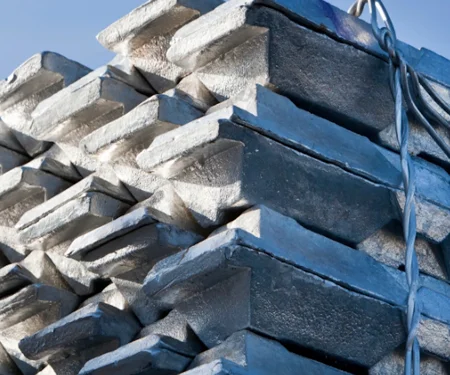
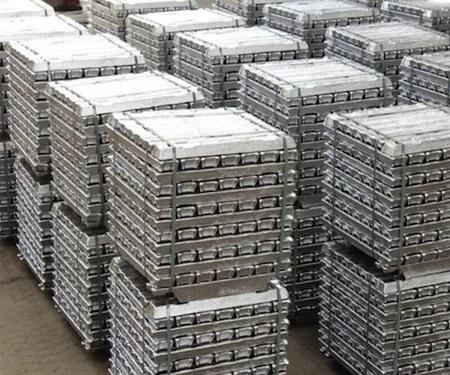
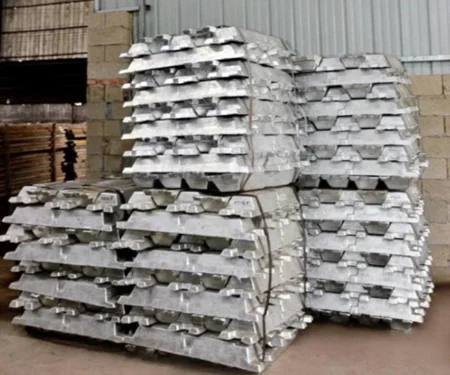
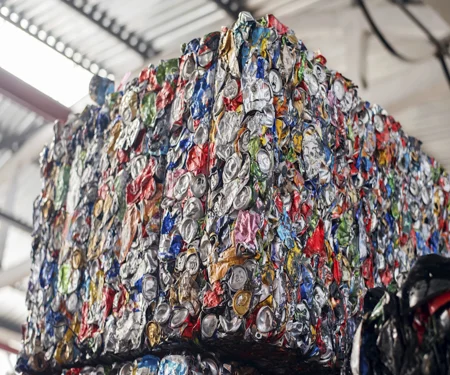
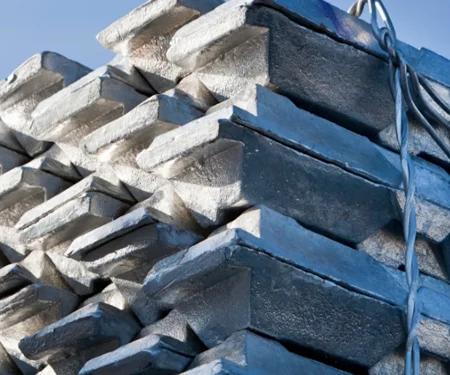
Stock image for referential purposes only
The European Union's Carbon Border Adjustment Mechanism (EU CBAM) is reshaping global trade by placing a carbon price on imports of carbon-intensive products from countries without equivalent carbon pricing systems. Since January 2026, importers of products including steel, aluminium, cement, fertilisers and hydrogen have been required to comply with the mechanism.
While discussions around the EU CBAM have largely focused on its impact on trade, climate policy and global supply chains, its implications for employment have received less attention.
For the Association of Southeast Asian Nations (ASEAN), home to more than 350 million workers, the mechanism presents both risks and opportunities. Its impact on jobs will largely depend on how effectively member countries adapt to the transition towards low-carbon manufacturing.
Steel and aluminium industries face growing pressure
The EU CBAM is expected to affect ASEAN countries differently, depending on their export mix and the carbon intensity of their industries.
Malaysia, Indonesia and Vietnam are among the region's leading exporters of iron, steel and aluminium to the European Union. If producers fail to reduce emissions or meet the EU's carbon reporting requirements, their products could lose competitiveness in the European market, potentially leading to lower production, reduced exports and job losses.
Compliance will also increase costs, as companies will need to measure embedded emissions, prepare carbon reports and upgrade production processes. Businesses may absorb these expenses, pass them on to customers or improve operational efficiency, although such adjustments may prove challenging, particularly for firms operating on narrow margins.
The effects could also spread beyond the directly affected sectors. Steel mills and aluminium producers support a broad network of transport providers, logistics companies, engineering firms, equipment suppliers and maintenance contractors, meaning slower production could impact employment across related industries.
Small and medium-sized enterprises (SMEs) are expected to face greater challenges due to limited financial resources and technical expertise needed to comply with carbon reporting requirements, potentially widening the gap between multinational companies and smaller domestic firms.
For more in-depth insights and exclusive analysis on the global aluminium industry, explore the e-Magazine - Sustainability & Recycling: Aluminium's Dual Commitment
Green transition could create new opportunities
Despite these challenges, the transition towards lower-carbon production is also expected to generate new employment opportunities.
Demand is likely to grow for engineers specialising in renewable energy, industrial electrification and energy-efficient manufacturing, as well as professionals skilled in carbon accounting, emissions monitoring, environmental auditing and sustainable supply chain management.
The shift may also strengthen ASEAN's competitiveness, as multinational companies increasingly consider carbon intensity alongside labour costs when selecting manufacturing locations.
With abundant renewable energy resources, expanding manufacturing capabilities and a relatively young workforce, ASEAN is well placed to benefit if governments invest in clean infrastructure, industrial modernisation and workforce development.
Several member states have already begun preparing for the transition. Singapore has introduced a carbon tax, while Indonesia and Vietnam are developing emissions trading systems. Malaysia and Thailand are also expanding carbon market initiatives, reinforcing the region's competitiveness as global carbon regulations become more stringent.
Regional cooperation key to long-term competitiveness
The article argues that ASEAN governments should prioritise worker reskilling, particularly in carbon-intensive industries, while universities and technical institutions expand training in renewable energy, industrial efficiency, carbon accounting and digital manufacturing.
Businesses, especially SMEs, will require financial and technical support to adopt cleaner technologies and strengthen emissions reporting.
It also calls for greater regional cooperation through harmonised carbon accounting standards, common certification and skills frameworks, knowledge-sharing on EU CBAM compliance and increased financing for industrial decarbonisation projects.
The article further states that the European Union should complement the mechanism with stronger technical assistance, technology transfer and capacity-building initiatives for developing economies to ensure the EU CBAM supports global decarbonisation rather than being viewed solely as a trade protection measure.
Explore: The most comprehensive and forward-looking industry-focused report – Global Bauxite & Alumina Market Forecast to 2036: Supply–Demand, Trade Flows & Price Outlook
Rare earth minerals become strategic resources for clean energy, defence and advanced manufacturing
Next articleChina's LNG imports rebound ahead of summer demand
Grow with
AL Circle