China's LNG imports rebound ahead of summer demand
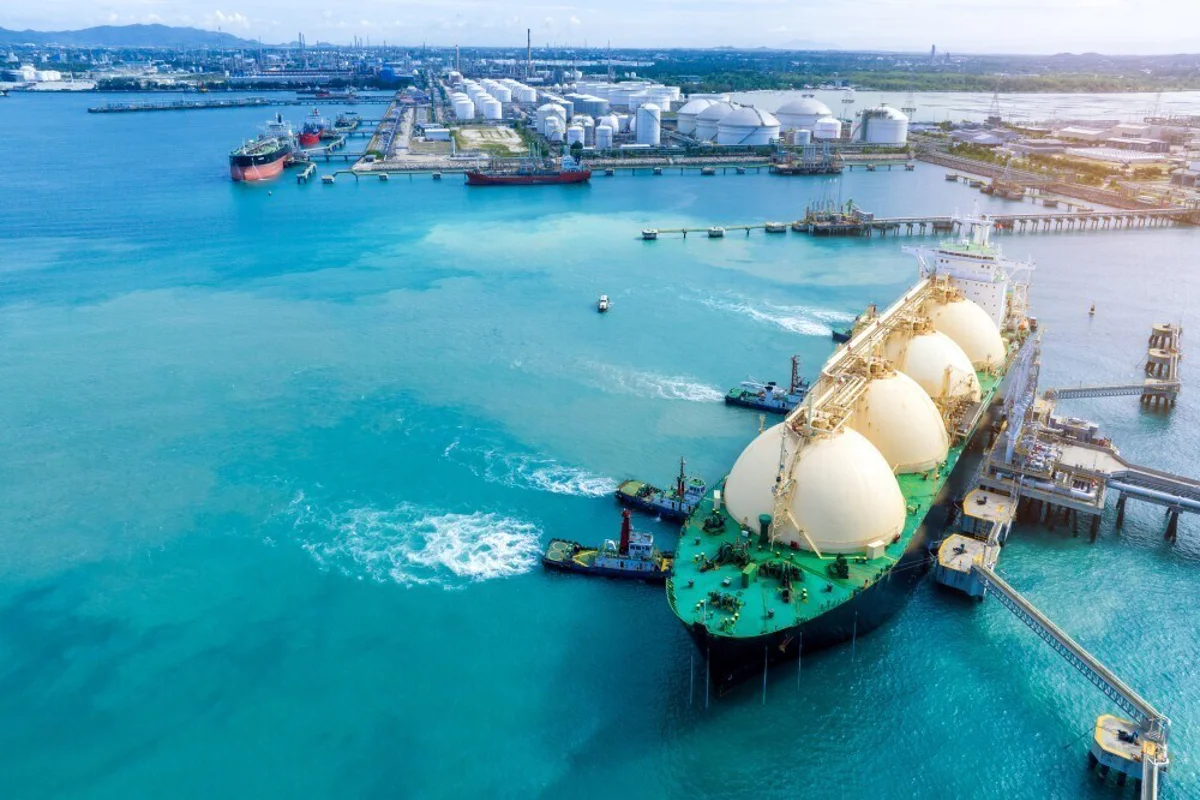
Stock image for referential purposes only
China's appetite for liquefied natural gas (LNG) strengthened in June, with imports rising for a second straight month as the country built inventories ahead of higher summer electricity demand.
Official customs data showed LNG imports reached 5.68 million tonnes in June, up 8.3 per cent from a year earlier. The increase follows a recovery that began in May after imports had fallen for three consecutive months between February and April, with April marking the country's lowest monthly LNG arrivals in eight years.
Chinese buyers stepped up purchases from mid-April and have maintained stronger import levels since then, reversing the slowdown seen earlier this year.
Middle East disruption tightens supply
China's return to the spot market is expected to tighten global LNG availability at a time when supply has already come under pressure from renewed disruption in the Strait of Hormuz.
The closure of the shipping route has affected Qatari LNG exports, intensifying competition for cargoes from alternative suppliers. As a result, both Asian LNG prices and European benchmark gas prices have climbed since fighting resumed in the Middle East.
Asian buyers have largely secured available cargoes, while European importers face increasing competition as they work to replenish gas storage ahead of winter after ending the last heating season with relatively low inventories.
Explore: The most comprehensive and forward-looking industry-focused report – Gulf Disruptions Roadmap: Decoding Aluminium Market Volatility, Supply Risks & Trade Flow Shifts
Buyers seek alternative long-term supply
Chinese state-owned energy companies are also looking beyond short-term purchases.
Major LNG importers, including PetroChina and Sinopec, are reportedly negotiating long-term supply agreements with exporters outside the Persian Gulf to reduce dependence on shipments that pass through the Strait of Hormuz.
The proposed contracts would begin before 2030 and run for at least 10 years.
Although China is not seeking to terminate its existing contracts with Qatar, it is exploring ways to diversify its supply portfolio and lower its exposure to geopolitical risks in the Gulf.
According to shipping data, cargoes from suppliers including Malaysia, Russia and Canada have helped offset reduced volumes from the Persian Gulf, which normally accounts for around one-third of China's LNG imports.
Despite June's rebound, China's LNG imports for the first half of the year remained 5.6 per cent lower than the corresponding period in 2025. However, vessel tracking data suggests the gap continued to narrow during July as import activity remained strong.
Explore how sustainability and resource efficiency are reshaping the global aluminium industry in AL Circle's magazine, Sustainability & Recycling: Aluminium's Dual Commitment.
ASEAN urged to prepare workforce as EU CBAM reshapes aluminium trade
Next articleChina-made modules revive Arctic LNG 2 construction
Grow with
AL Circle