Saudi Arabia identifies 114m tonnes of rare-earth and uranium-bearing ore in Madinah
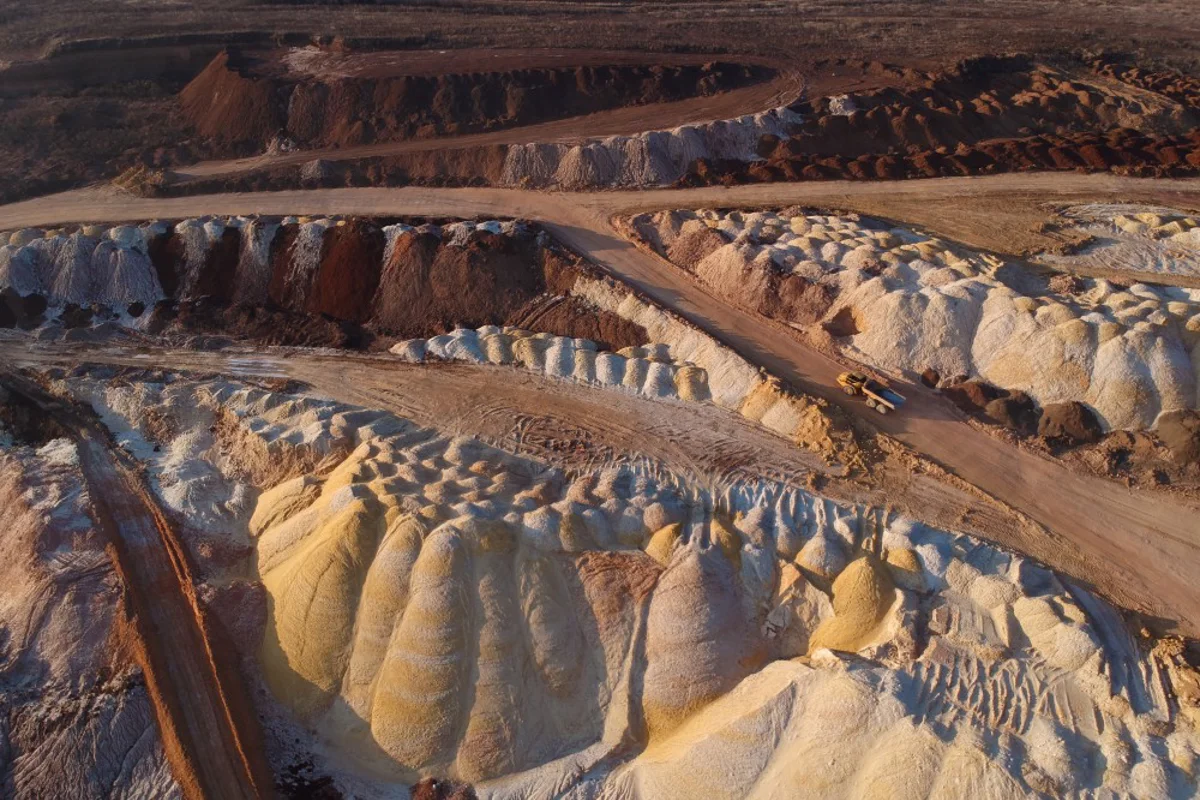
Stock image for referential purposes only
Saudi Arabia has identified approximately 114 million tonnes of ore containing high concentrations of rare earth elements and promising uranium concentrations in the Madinah Region, adding another significant resource to the Kingdom’s expanding minerals portfolio.
Prince Abdulaziz bin Salman bin Abdulaziz, Saudi Arabia’s minister of energy and minister of industry and mineral resources, announced the discovery during the 70th General Conference of the International Atomic Energy Agency (IAEA) in Vienna.
The resources were identified through exploration and geological studies at the Jabal Sayid project, with particularly high concentrations of heavy rare earth elements reported. Prince Abdulaziz said the findings place the project among the significant rare earth resource sites currently under development globally.
Saudi Arabia targets rare earth supply chains
The discovery comes as Saudi Arabia works to expand the economic value of its mineral resources and strengthen capabilities across critical minerals supply chains.
In 2025, Saudi Arabia and the United States signed an agreement focused on cooperation in critical minerals and securing supply chains. A partnership was also established between Saudi mining company Ma’aden and US-based MP Materials to develop rare earth processing and separation capabilities, alongside the production of associated uranium.
To learn about the market potential of aluminium dross, explore "ALuminium Dross Processing: Generation, Recovery & Strategic Roadmap"
Prince Abdulaziz said Saudi Arabia is seeking to maximize the benefits of its natural resources, listing phosphate ores, gold, copper, zinc, silver, bauxite, magnesium, iron ore, lead, nickel, rare-earth minerals, transition metals, uranium, silica, and gypsum among the resources being developed or explored.
The latest findings could add to the Kingdom’s efforts to build domestic capabilities around minerals considered important to industrial and energy applications.
Uranium exploration moves alongside nuclear plans
Saudi Arabia is also advancing its National Atomic Energy Project, including efforts to explore uranium resources and assess opportunities for their economic utilization.
According to Prince Abdulaziz, the program includes several interconnected tracks. One focuses on recovering uranium associated with phosphoric acid produced during phosphate fertilizer operations in northern Saudi Arabia.
Pilot work conducted with French company Orano has produced promising economic indicators for uranium recovery from these operations, he said.
Discover more opportunities across the aluminum supply chain on the AL Circle B2B marketplace.
The Kingdom is also using its Sedimentary Cover Survey Initiative to search for additional uranium deposits from conventional sources.
These efforts form part of Saudi Arabia’s broader plan to introduce nuclear energy into its energy mix. Prince Abdulaziz said the nuclear program is being developed under an established regulatory framework and in accordance with Saudi Arabia’s international obligations.
The role of IAEA
Prince Abdulaziz also serves as chairman of the boards of King Abdullah City for Atomic and Renewable Energy and the Nuclear and Radiological Regulatory Commission in Saudi Arabia
Opening his address at the IAEA conference, he reaffirmed Saudi Arabia’s support for the agency’s role in assisting member states, promoting the peaceful use of nuclear energy, and maintaining nuclear safety, security, and safeguards.
The rare earth and uranium findings therefore come alongside Saudi Arabia’s parallel efforts to develop its mineral resources and diversify its energy mix.
Unlock key insights from leading companies and experts across the aluminium ecosystem with our e-Magazine - Mine to Market: Aluminium Producers & Manufacturers 2026
Alcoa advances 10-year gas supply deal with USD 1.5m Equus funding in Western Australia
Next articleMalaysia’s rare-earth ambitions face a caveat: Can it control the full supply chain?
Grow with
AL Circle