Renewable Energy

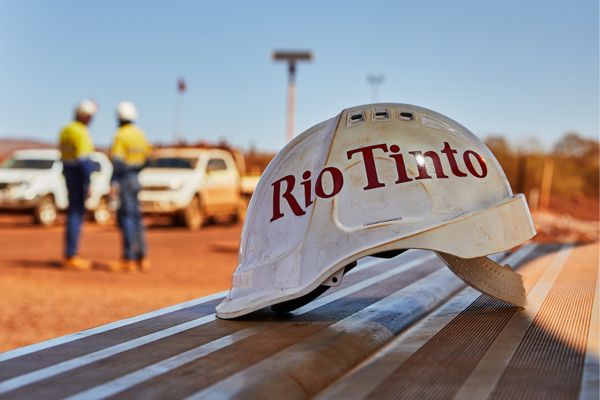
Idle since 2020, Rio Tinto’s Tiwai Point aluminium smelter Line 4 eyes 2027 comeback
Rio Tinto is set to expand its aluminium production in New Zealand. The company has secured a three-and-a-half-year electricity agreement with Contact Energy to restart Line 4 at its Tiwai Point aluminium smelter. Backed predominantly by renewable energy, the 50MW power supply contract is expected to restore around 30,000 tonnes of annual aluminium production, taking the smelter’s capacity back to approximately 360,000 tonnes per annum (TPA). The production boost would also reinforce Rio Tinto’s aluminium production across Australia and New Zealand, adding around 3 per cent to its regional smelting capacity. At current global spot aluminium prices, the increased production could generate around NZD 100 million (USD 55 million) in additional annual export revenue for New Zealand. Explore...
AL Circle Analysis: Scrap in EU, Thailand, 25%Trimet CO₂ cut, India’s 16.3tCO2 gap draw aluminium supply chain
Cleaner aluminium depends on three things going right at once: scrap collection, melting it in a furnace without much carbon, and the electricity behind the whole chain not being coal-powered. Developments across North America, the UK, the European Union (EU), Egypt, Thailand, Malaysia and India depict how unevenly those pieces are falling into place. While some markets are losing recoverable metal at the sorting line, others are redirecting cargoes or writing scrap into industrial policy, and a few are lining up green projects to hold primary aluminium production together. Aluminium scrap trade: North America leads, Thailand bans, EU retains The international aluminium scrap market is facing a combination of changing trade flows and growing pressure to secure cleaner, more consistent...
Grow with
AL Circle
Price
→Events

Business Cards
A report that reveals where the aluminium casting industry is heading and how businesses can act.
LEARN MORE
A report that reveals where the aluminium casting industry is heading and how businesses can act.
LEARN MOREIndia’s alumina refinery investment landscape: What does it really cost to build a competitive refinery?
AL Circle Analysis: Scrap in EU, Thailand, 25%Trimet CO₂ cut, India’s 16.3tCO2 gap draw aluminium supply chain
From scrap recovery to precision processing: Five OEMs shaping aluminium manufacturing
AL Circle Analysis: 278% China-US FRP rise, $692m Germany-France FRP trade, India’s 300m-can gap draw aluminium map
AL Circle Analysis: Alumina prices fall 22%, Ghana advances bauxite projects & global aluminium production rises 2.1%
News

Coolbrook brings 1,700°C electric heating tech in Australia’s alumina decarbonising drive
Finland-based renewable heat technology developer Coolbrook has joined Australia’s Heavy Industry Low-carbon Transition Cooperative Research Centre (HILT CRC) as an affiliate partner, bringing its electrified heating technology into research aimed at decarbonising alumina refining and the wider aluminium industry. The collaboration would explore how high-temperature electric heating can support next-generation alumina refineries, reducing reliance on fossil fuels. Coolbrook would work alongside major alumina and aluminium producers, including Emirates Global Aluminium (EGA), Alcoa, Rio Tinto, South32 and Hydro, as well as research organisations of CSIRO and Adelaide University. Initially, it would focus on HILT CRC’s Alumina Refineries’ Next-Generation Transition (AlumiNEXT) project,...
_md.webp)
Renewable energy projects must not impact Indigenous peoples and land-connected communities, says Mark Annandale
What does sustainability certification change for the people working in aluminium operations and the communities living alongside them? In this interview with AL Circle, Mark Annandale, Director of Research and IPAF Adviser, discusses how ASI standards can translate into everyday action through staff training, transparent reporting and meaningful community participation. He explains why renewable energy projects must respect Indigenous Peoples’ rights and considers how smaller producers and informal waste pickers can participate in responsible supply chains. His central message is that progress must be judged by environmental improvements and people’s lived experiences, alongside growth in certification numbers. AL Circle: In your previous interview , you highlighted expanding ASI...
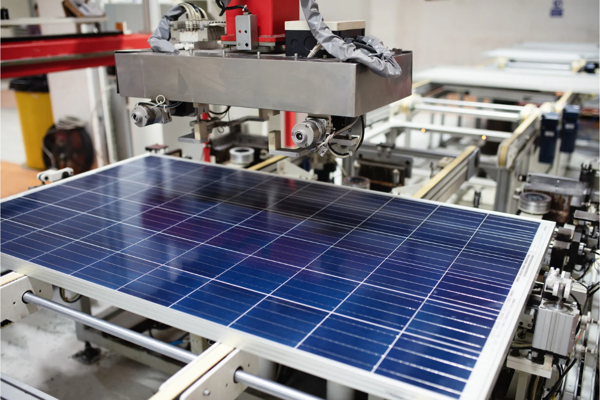
PV frame operations stable; aluminium prices to consolidate amid mixed signals
Aluminium extrusion for photovoltaics: According to an SMM survey, operating rates at sampled photovoltaic frame companies remained largely stable this week, with some top-tier players maintaining full production and only minor adjustments to weekly production schedules. Some companies took a cautious view of November production schedules. One company reported that while project-based orders provided some replenishment during the month, the support from regular long-term contracts for operating rates had weakened. Another noted that even if additional orders come in later, production schedules are unlikely to exceed October levels. There were developments on the materials front, with the 6A05 alloy already being applied to some orders, reducing module-side costs by lowering material...
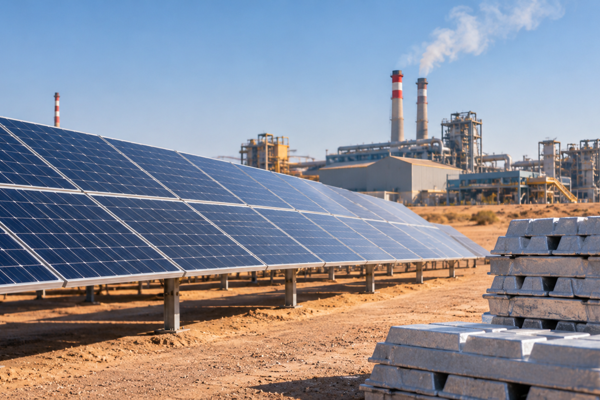
A sunnier future for Egyptian aluminium: Egyptalum's aluminium decarbonisation drive advances as Scatec begins 569 MW solar project
Scatec has begun construction of the first phase of a major solar power project that will supply renewable electricity to the Aluminium Company of Egypt (Egyptalum), advancing the Egyptian producer's efforts to reduce the carbon footprint of its aluminium operations. The first phase of the Dandara Solar Power project comprises a 569 MW solar plant supported by a 100-MWh battery energy storage system. The Norwegian renewable energy company has also signed loan agreements to finance the development, which was first announced in 2025. Under a 25-year power purchase agreement, the facility will supply clean electricity to Egyptalum. Once operational, the first phase is expected to generate approximately 1.4 TWh of renewable power annually and avoid more than 550,000 tonnes of carbon dioxide...
NTPC Green Energy targets 60 GW by 2032; 16 GW renewable power hub planned
NTPC Green Energy Limited (NGEL) plans to expand its renewable energy capacity from around 12 gigawatts (GW) to 60 GW by 2032, marking a major step in its clean-energy expansion strategy. The target forms part of parent company NTPC Limited’s broader ambition to reach 149 GW of installed power capacity, supported by renewable energy, thermal expansion and a proposed entry into nuclear generation. The roadmap was outlined by P. Rahul, Deputy General Manager, Business Development – Green Hydrogen at NGEL, during the Bharat Renewable Energy Summit and Expo 2026. Alongside renewable capacity additions, the company is advancing green hydrogen, energy storage and green chemicals projects. To learn about the market potential of aluminium dross, explore "ALuminium Dross Processing: Generation,...
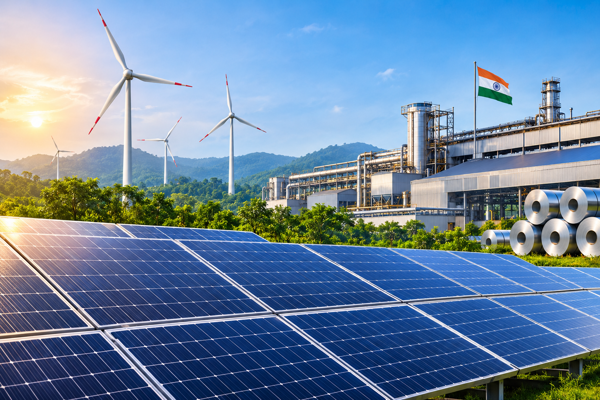
India’s renewable power capacity set to reach 530 GW by 2030 as solar leads expansion
India’s renewable energy transition is gathering pace, with installed renewable power capacity surpassing 300 gigawatts (GW) in 2026, almost quadrupling over the past decade. The country has also achieved its target of sourcing 50 per cent of installed electricity capacity from non-fossil fuel sources five years ahead of schedule, strengthening its position as one of the world’s fastest-growing clean energy markets. The expansion is beginning to deliver measurable energy security benefits by reducing dependence on imported fossil fuels, while competitive renewable power costs and expanding domestic manufacturing are opening new investment opportunities. However, sustaining this momentum will require substantial improvements in electricity transmission, storage infrastructure and...















Blog
LATEST POSTS



Turn marketplace visibility into more relevant buyer enquiries.
View Priority Plans
Turn marketplace visibility into more relevant buyer enquiries.
View Priority Plans
