Germany’s automotive industry drives 32.8% of aluminium consumption as EV production rises 23%, led by Volkswagen, BMW & Mercedes-Benz
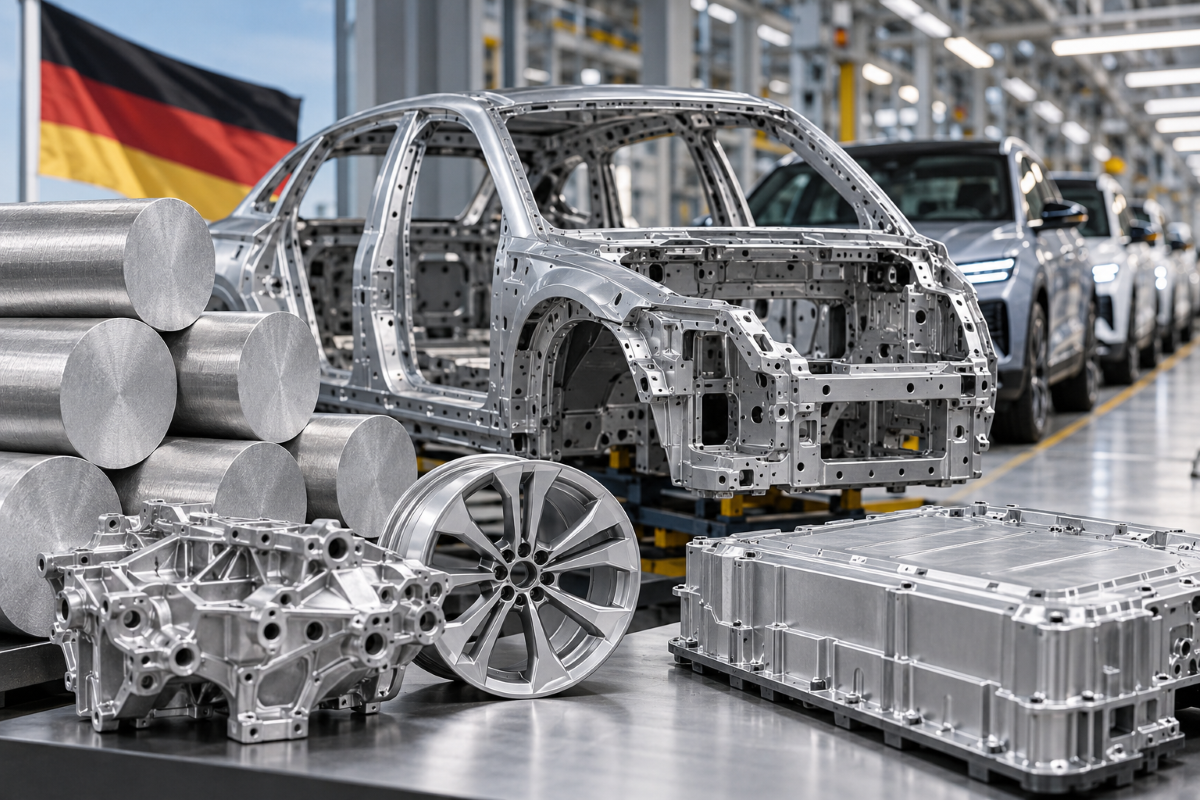
The image used in this article is generated with an AI tool and does not depict any real-time moment
Germany’s automobile industry is a major part of the country’s aluminium story, with the metal used in everything from vehicle body panels and chassis components to battery enclosures and electric-drive systems. As automakers develop lighter vehicles and expand their electric models, aluminium has become an important material across the manufacturing process.
Germany’s automotive industry consumes around 950,000 tonnes of aluminium annually, accounting for a substantial share of the wider transport sector’s demand. In 2025, Germany’s total aluminium consumption stood at approximately 2.9 million tonnes, with the transport sector accounting for 1.35 million tonnes, representing 46 per cent of the total.
This extensive use of aluminium in transport mirrors its importance to the global automobile industry. According to AL Circle Research, passenger cars accounted for 62 per cent of global aluminium consumption in the automobile sector in 2025, equivalent to 17.72 million tonnes. Commercial vehicles represented 15 per cent, or 4.29 million tonnes, while motorbikes accounted for 9 per cent, equivalent to 2.57 million tonnes.
Germany’s primary and secondary aluminium consumption trends
While automotive manufacturing provides an important market for aluminium, the country’s overall consumption figures tell a wider story. Germany’s primary aluminium consumption has moved through several years of decline, followed by a modest recovery in 2025.
Consumption fell by 5.32 per cent to 2.04 million tonnes in 2022 and dropped by another 8.92 per cent to 1.86 million tonnes in 2023. The decline continued in 2024, when consumption decreased by 3.54 per cent to 1.80 million tonnes. In 2025, the trend changed slightly, with primary aluminium consumption rising by 1.84 per cent to 1.83 million tonnes.
Secondary aluminium consumption has followed a similar trajectory. It stood at 1.29 million tonnes in 2021 and remained almost unchanged in 2022, declining by just 0.07 per cent. Consumption then fell by 9.54 per cent to 1.16 million tonnes in 2023 and by a further 4.46 per cent to 1.11 million tonnes in 2024. In 2025, it slipped by another 0.83 per cent to 1.10 million tonnes, around 14.4 per cent below the 2021 level.
To know the aluminium casting demand forecast in the construction sector, explore our report "Global Aluminium Casting Market 2026-2032: Plant Economics, Alloy Segmentation, Pricing Intelligence, Supply Chain Analysis & Strategic Recommendations"
These figures provide the broader context for Germany’s automotive aluminium market. The metal is used in an expanding range of vehicle components, but its overall consumption also reflects developments across other industrial applications. Within the automotive sector, the choice of material depends on what manufacturers need each component to do, making aluminium’s physical properties and the availability of suitable grades particularly important.
Why aluminium matters as electric mobility expands
One of aluminium’s main advantages is its low density. It is roughly one-third as dense as steel, making it useful for reducing vehicle weight. In conventional vehicles, lower weight can improve fuel efficiency. In electric vehicles, it can help extend driving range or allow manufacturers to use a smaller battery.
A passenger vehicle uses approximately 210–250 kg of aluminium. Based on an annualised production estimate of around 66 million passenger vehicles, derived from OICA data for the first three quarters of 2025, global passenger vehicle aluminium consumption is estimated at 13.9–16.5 million tonnes. Passenger cars account for around 60 per cent of total automotive aluminium consumption, while commercial vehicles represent the remaining 40 per cent, equivalent to approximately 11 million tonnes.
The metal’s use extends well beyond body panels. It is found in doors and other closures, chassis components, wheels, battery enclosures and motor housings. Electric vehicles also use aluminium in electric motors, power electronics and cooling systems. As vehicle designs change, manufacturers must select materials that meet the requirements of each application.
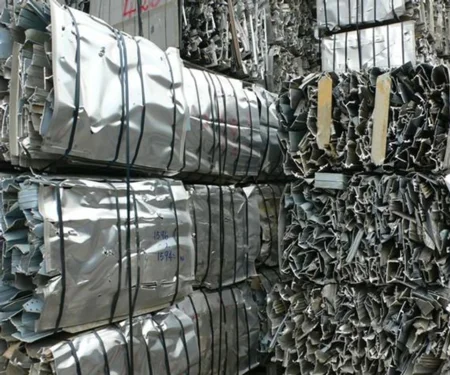
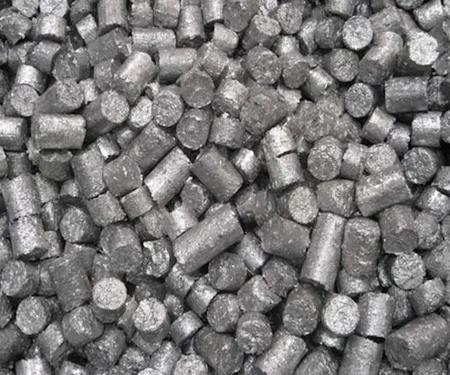
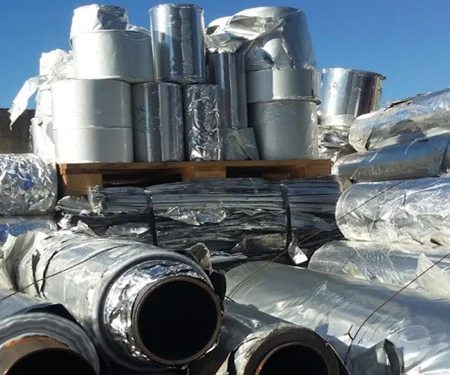
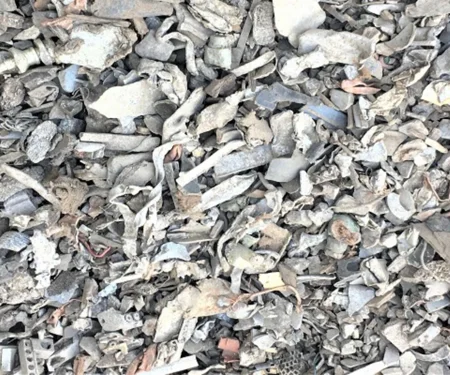
Primary aluminium provides newly produced metal, while secondary aluminium is recovered from scrap and processed for reuse. Both can serve automotive applications, provided the material meets the required alloy specifications. Effective scrap collection, sorting and processing are therefore important to increasing the use of secondary aluminium without compromising component quality.
Germany’s electric vehicle production shows how these material requirements are evolving. The country produced approximately 1.67 million electric vehicles in 2025, up 23 per cent year on year, according to figures cited by Germany Trade & Invest. This included around 1.22 million battery-electric vehicles and 450,000 plug-in hybrids, together accounting for approximately 40 per cent of Germany’s total car production.
Browse through top global suppliers for automobile components on AL Biz.
Volkswagen, BMW and Mercedes-Benz shape aluminium use
Volkswagen Group delivered around 8.98 million vehicles worldwide in 2025, including 983,120 battery-electric vehicles, up 32 per cent year on year. Across brands such as Volkswagen, Audi and Porsche, aluminium is used in body panels, chassis components, castings, wheels and battery enclosures. Audi also operates closed-loop recycling initiatives that return manufacturing scrap for reuse.
BMW Group delivered approximately 2.46 million vehicles in 2025, including around 642,000 electrified vehicles. Aluminium supports lightweight structures, chassis systems and electric-drive components across its BMW, MINI and Rolls-Royce brands.
Mercedes-Benz Group sold around 2.2 million cars and vans in 2025, including 368,600 electrified vehicles. The company uses aluminium in body structures and electric vehicle components while exploring lower-carbon sourcing. Its collaboration with Norsk Hydro on lower-carbon aluminium reflects efforts to reduce emissions associated with vehicle materials.
These manufacturers require more than large quantities of metal. They need specific alloys, rolled sheets, castings, extrusions and engineered structures that match their vehicle designs. Supplying these materials involves a network of aluminium producers and processors, many of which are also developing ways to recover and reuse manufacturing scrap.
German aluminium producers connect supply with vehicle manufacturing
Germany’s aluminium industry covers several stages of the supply chain, from producing metal and processing scrap to rolling sheets, casting components and assembling finished structures. Trimet Aluminium, Hydro, Novelis, Speira and Constellium each contribute to different parts of this process.
Trimet Aluminium is developing its recycling capabilities to supply automotive-grade alloys. Its planned scrap sorting and processing facility in Hamm, with an annual capacity of around 40,000 tonnes, will use laser-based analysis to identify the composition of different scrap pieces. The system is designed to assess up to 150 pieces per second, identifying elements such as silicon, copper, iron and magnesium. This helps separate scrap according to its composition so that suitable material can be directed towards specific alloys.
The company’s Trimal-04, a high-secondary-content alternative to its primary alloy Trimal-05, demonstrates how secondary aluminium can support automotive die-casting applications. Trimet also operates customer-specific scrap return systems, allowing manufacturing scrap to be returned for reuse in the appropriate material grade.
Hydro supplies automakers with lower-carbon and secondary aluminium through its REDUXA and CIRCAL product lines. Its Rackwitz facility near Leipzig processes around 85,000 tonnes of scrap annually, including approximately 20,000 tonnes from end-of-life products. Since 2023, the site has also operated a 25,000-tonne HyForge line producing aluminium for forged automotive components. Hydro’s supply agreements with Mercedes-Benz and Porsche show how aluminium sourcing is becoming part of automakers’ efforts to address material requirements and emissions.
Novelis links scrap processing with automotive sheet production. Its Nachterstedt facility in Saxony-Anhalt produces automotive sheet and houses a recycling centre capable of producing up to 400,000 tonnes of sheet ingot annually from secondary aluminium. An $85 million expansion of its automotive finishing line around 2016 added 120,000 tonnes of annual capacity to serve premium carmakers.
Novelis previously identified BMW and Jaguar Land Rover among its customers. Its Voerde plant also casts sheet ingot for automotive and speciality applications, while its joint venture with Speira at Alunorf connects casting and rolling operations.
Speira, which produces around one million tonnes of rolled aluminium annually, has also changed its operations in response to high energy costs. The company ended primary aluminium electrolysis at its Rheinwerk site in Neuss after smelting became uneconomic and began transforming the facility into a recycling hub. A fourth recycling furnace, representing an investment of around €40 million, was reported to have started on 8 October 2026. The furnace mainly processes used beverage cans, while Speira’s wider recycling services also support external customers, including automotive companies.
Further along the supply chain, Constellium converts aluminium into finished vehicle structures. At its Dahenfeld facility, the company assembles body structures for a premium sports car using up to 20 individual extrusions, castings and sheet components. Automated robotic cells and integrated measurement systems produce ready-to-fit structures for vehicle assembly. This shows how suppliers contribute not only aluminium but also engineered components designed to meet automakers’ specifications.
Recycling and material quality shape the next phase
The activities of these companies show how Germany’s automotive aluminium supply chain brings together primary and secondary aluminium. Primary metal remains an important source of new material, while secondary aluminium allows suitable scrap to be recovered and returned to manufacturing. For automotive applications, the recovered material must be sorted and processed carefully to meet the specifications of its intended use.
Trimet’s alloy sorting, Hydro’s product range, Novelis’s recycling and sheet operations, Speira’s investment in recycling and Constellium’s component manufacturing each address a different stage of the supply chain. Together, they connect metal supply with the changing requirements of vehicle production.
For Germany’s automotive industry, aluminium’s future will depend on how effectively manufacturers and suppliers bring together vehicle performance, reliable metal supply and the use of secondary aluminium. As electric mobility continues to shape vehicle design, the relationship between automakers and aluminium producers will become increasingly important in meeting changing material requirements. The challenge is not only to supply aluminium for the next generation of vehicles, but also to ensure that the metal can be recovered, processed and reused to support the industry’s evolving needs.
Data Source Statement: This data has been estimated based on various industry publications and market assumptions. It has not been published directly by any official authority and is intended for reference purposes only. It should not be construed as a recommendation for decision-making.
Note: This is exclusive coverage by AL Circle and may not be reproduced, republished or shared without prior permission.
Grow with
AL Circle