Beyond windows: Aluminium in India's construction sector
For decades, aluminium windows and doors were largely viewed as functional elements of construction. Today, advances in extrusion technology, precision engineering and architectural design have transformed their possibilities. What once required bulky frames and conventional openings can now be achieved through remarkably slender profiles, expansive glass surfaces and sophisticated systems that bring together structural strength, durability and understated luxury. As Indian architecture becomes increasingly ambitious, aluminium is no longer simply framing spaces; it is helping redefine how they are designed, experienced and connected.
Market data
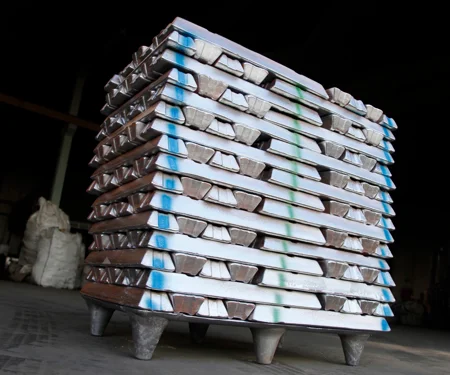
According to ALUMEX India 2025: Extruding the Future, India is the world’s second-largest primary aluminium producer and third-largest consumer, with production capacity of around 6–6.2 million tonnes. Per-capita consumption, however, is just 3.1 kg against a global average of 12 kg. The report projects primary aluminium demand to nearly double from 4.5 million tonnes in 2024 to around 9 million tonnes by 2033, driven by construction, power, renewables, electric vehicles and defence.
For the construction sector, this outlook presents an opportunity to expand aluminium’s role beyond conventional applications. India’s aluminium extrusion demand was at an estimated 795,000 tonnes in 2025, and rose to approximately 858,000 tonnes in 2026. The building and construction sector alone accounted for an estimated 280,000–300,000 tonnes of aluminium extrusion consumption in 2023. These figures highlight an opportunity that extends well beyond higher production volumes. With an established extrusion industry and growing demand for sophisticated architectural solutions, India's next phase of growth must focus on moving from conventional profiles to high-value, precision-engineered systems. The opportunity is not simply to manufacture more aluminium, but to unlock more of what aluminium can achieve.
The evolution of the façade
Modern facades must balance architectural aesthetics with thermal comfort, acoustic performance and weather resistance. As commercial buildings and urban infrastructure evolve, façade systems are increasingly expected to contribute to overall building performance rather than serve solely as an exterior finish. According to IMARC Group, the India facade market was valued at USD 3,060.5 million in 2024 and was projected to reach USD 5,578.3 million by 2033, representing a compound annual growth rate (CAGR) of 6.9 per cent between 2025 and 2033.
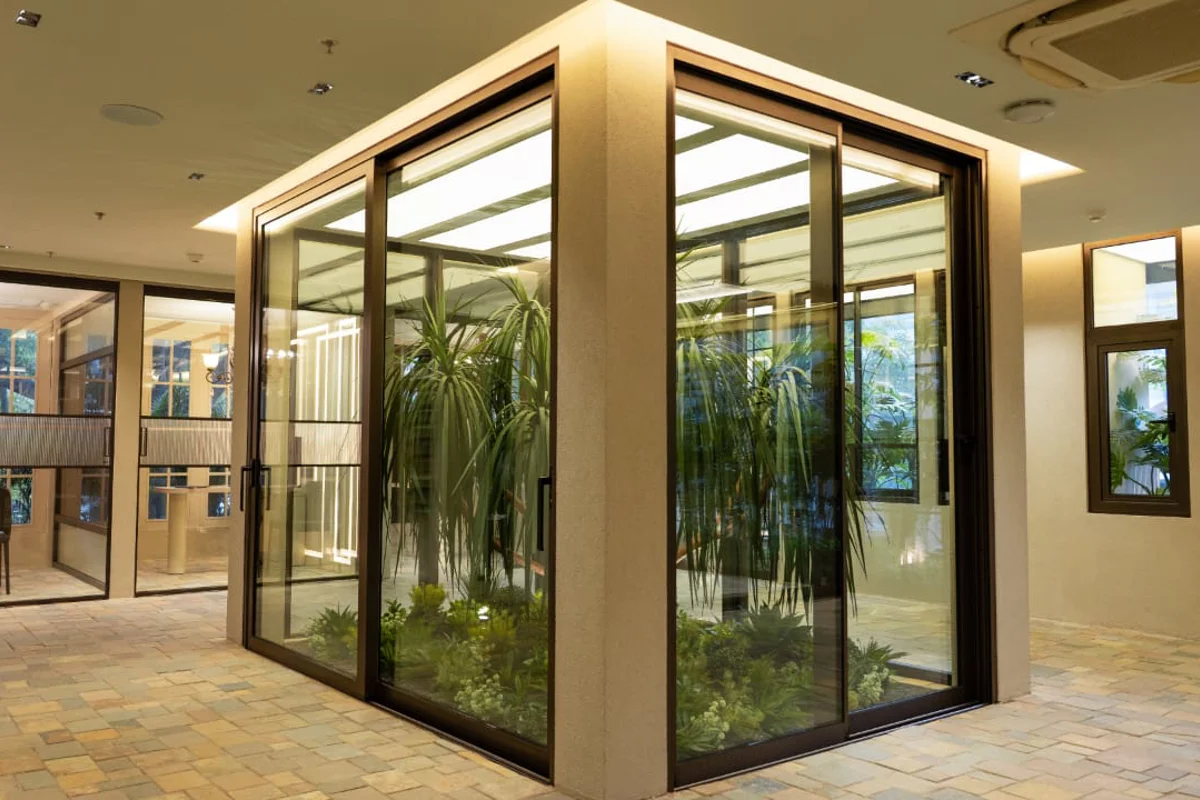
Perhaps the most striking advancement in aluminium architecture is the ability to achieve extraordinary visual minimalism without compromising structural performance. Through advanced extrusion techniques, optimised profile geometries and precision-engineered hardware, contemporary aluminium window and door systems can support larger glazed openings, slimmer sightlines and cleaner architectural transitions.
This evolution is particularly significant in luxury residential architecture, where expansive views, natural light and seamless indoor-outdoor connections increasingly define spatial quality. Sliding doors, concealed-frame configurations and minimalist glazing systems demonstrate how sophisticated engineering can make structural elements visually unobtrusive.
Yet, slimness alone does not define a high-performance system. The real achievement lies in balancing refined aesthetics with structural stability, smooth operation, weather resistance, acoustic comfort and long-term durability. Achieving this balance requires more than a well-extruded profile; it demands an integrated approach to system design, glazing, hardware, fabrication and installation.
Expanding into the interior envelope
Aluminium's utility now extends deep into the building's interior. In premium residential and hospitality environments, aluminium is increasingly valued for its ability to create a refined architectural language. Slim-profile partitions, expansive sliding systems and carefully detailed architectural screens allow spaces to feel more open, connected and visually cohesive. Here, luxury is expressed not through excessive ornamentation, but through precision, proportion, material finishes and the effortless integration of functional elements into the overall design. Premium commercial spaces and agile workplaces increasingly rely on aluminium profiles for modular glass partitions, ceiling structures, balustrades, and architectural screens. Advanced extrusion technology allows manufacturers to produce custom-engineered profiles tailored to specific dimensions and functions, shifting the market from standardized commodities to highly customized interior solutions.The ALUMEX India 2025 report identifies key extrusion clusters in Gujarat, Maharashtra, Tamil Nadu, Telangana and Uttar Pradesh. which support diverse industries, including construction and infrastructure.
Explore aluminium window manufacter on our B2B marketplace.
Sustainability and circular building
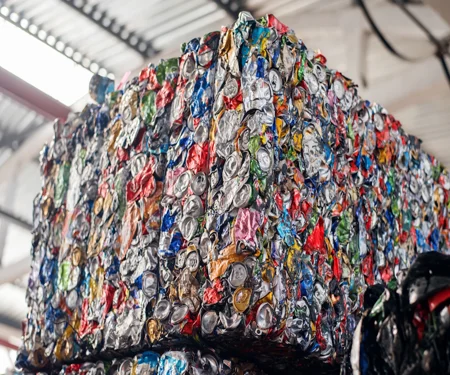
As architects and developers prioritise resource efficiency, aluminium's environmental credentials have become a major asset. Its ability to be recycled infinitely without losing its fundamental properties aligns perfectly with the principles of circular construction. When combined with appropriately designed thermal breaks, high-performance glazing and effective sealing systems, aluminium windows and façades can also contribute to improved building energy performance. Furthermore, integrating thermal break systems and high-performance glazing transforms the building envelope from a simple weather barrier into an active contributor to the structure's overall energy efficiency.
Showcase your brand, aluminium recycling initiatives and sustainability vision in our upcoming magazine: Sustainability & Recycling: Aluminium’s Commitment 2026.
From raw material to engineered solutions
India possesses a substantial aluminium production and extrusion ecosystem, supported by an expanding base of manufacturers, fabricators and engineering expertise. The opportunity now lies in directing this industrial strength towards higher-value innovation and advanced architectural systems.
This requires a shift from manufacturing individual components to developing integrated solutions. Investments in sophisticated profile design, precision tooling, advanced surface finishes, high-performance hardware and rigorous testing must go hand in hand with closer collaboration between architects, system designers, manufacturers and installation specialists.
As India's infrastructure becomes taller, smarter and more energy-conscious, aluminium's role will extend beyond individual building components to shaping how modern spaces are designed, engineered and experienced. The challenge is to translate India's manufacturing capabilities into architectural solutions that combine design freedom, precision and lasting performance.
Note: All views, opinions and data presented in this article have been contributed by Mr. Manish Bansal, Managing Director, Window Magic. AL Circle has published the content as provided, without making any modifications or alterations to its core subject matter or underlying data. The responsibility for the accuracy, authenticity and reliability of the information rests solely with the contributor.
Grow with
AL Circle