From primary to processed: Has Gulf tax gap sent China’s aluminium wire export soaring?
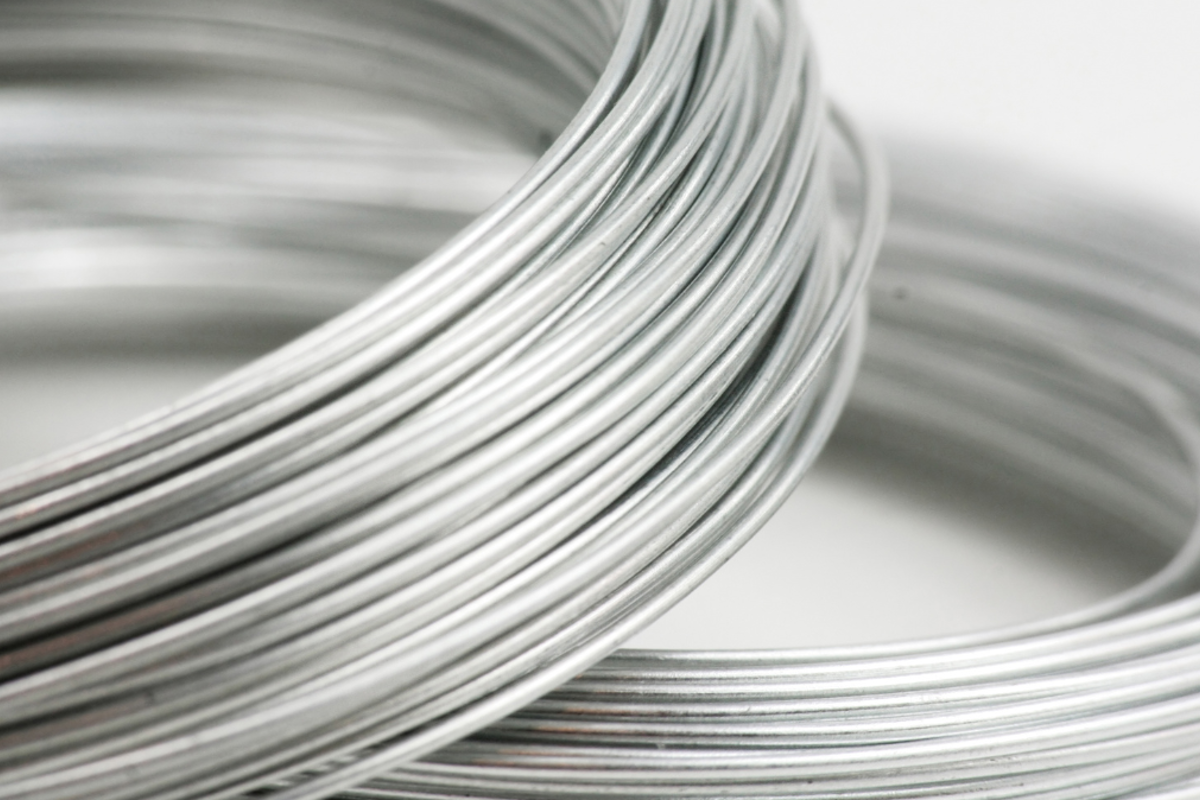
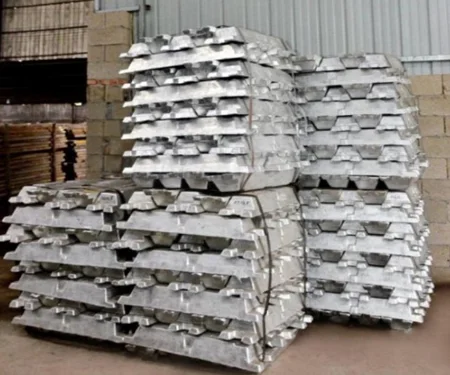
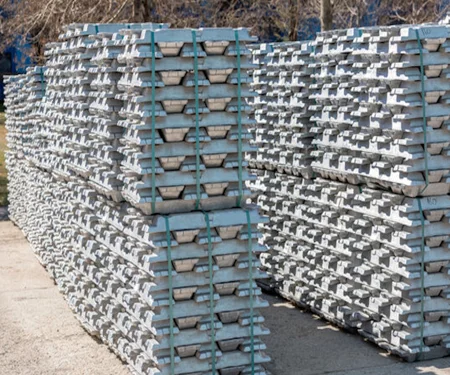
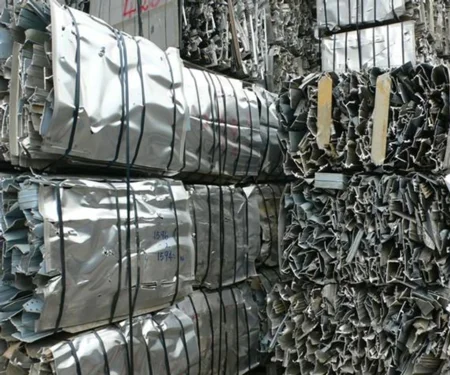
Stock image for referential purposes only
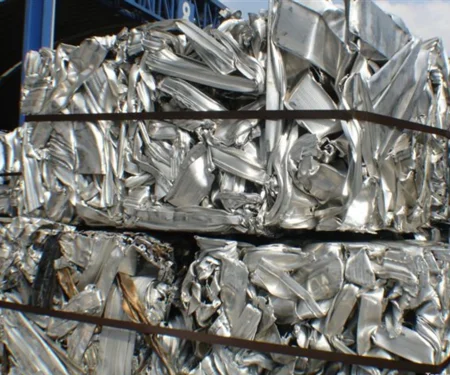
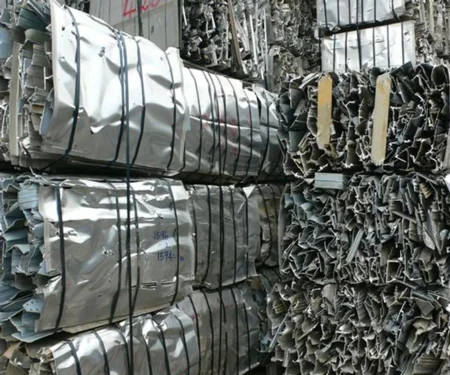
Surging aluminium prices driven by the Middle East conflict, fuelled by a tax gap across the Strait of Hormuz, have prompted Chinese producers and traders to ramp up supply of aluminium in processed or semi-fabricated form rather than as ingots. Consequently, China’s aluminium stranded wire exports witnessed a sharp spike in April.
According to customs data released on Wednesday, China exported 15,565 tonnes of aluminium stranded wire, cables and related products excluding steel-core material in April. The volume marked a jump of more than 166 per cent year-on-year and nearly 95 per cent higher than March levels.
Explore the accurate insights and forecasts for the aluminium flat rolled products (FRP) market in Aluminium Flat Rolled Products: Insights & Forecast to 2032
Against the backdrop of conflict-driven supply shock pushing LME aluminium prices higher than 13 per cent, compounded by the Iranian attacks on Emirates Global Aluminium (EGA) and Aluminium Bahrain (Alba) facilities, analysts anticipated stronger exports of Chinese fabricated and semi-fabricated aluminium products, particularly as the pricing gap between domestic and overseas markets widened.
Aluminium stranded wire, used in power transmission and distribution infrastructure, is increasingly being repurposed by Chinese suppliers as an export vehicle for aluminium metal itself, according to two anonymous sources familiar with the trade flows. Aluminium stranded wire qualifies for a 13 per cent value-added tax rebate, while exports of unwrought aluminium are subject to a 30 per cent export tariff.
Some traders purchase aluminium ingots domestically and send them to wire manufacturers for conversion into stranded wire before export. Overseas buyers then remelt the material to manufacture aluminium alloy products, bars and other downstream products.
To look for buying or selling leads of aluminium wire rod, visit our B2B marketplace.
South Korea emerged as the largest buyer of Chinese aluminium stranded wire in April, importing 2,911 tonnes compared to negligible volumes in March. Vietnam followed with imports reaching 2,288 tonnes, nearly five times higher month-on-month and almost 30 times above the level recorded in 2025.
Shipments to newer destinations also expanded rapidly. Exports to Algeria jumped to 1,340 tonnes from just 36.7 tonnes in March, while deliveries to Ethiopia rose to 1,124 tonnes from 254 tonnes. Combined, South Korea, Vietnam, Algeria and Ethiopia accounted for almost half of China’s total April exports.
Japan also appeared among the emerging buyers, importing 457 tonnes in April after purchasing only around 4 tonnes over the previous 15 months.
The latest trade pattern highlights how geopolitical disruptions and volatile aluminium prices are reshaping global trade routes, while also encouraging unconventional export strategies to capitalise on widening regional price differentials.
Participate in our upcoming e-Magazine - Mine to Market: ALuminium Producers & Manufacturers 2026

EPIQ and Dynamic Concept partner to deliver advanced solutions across the gulf
Next articleMiddle East crisis jolts aluminium downstream trade; end-use sectors grapple with supply crunch
Grow with
AL Circle