Aluminium faces market turbulence as ongoing Gulf crisis spurs energy and supply shock
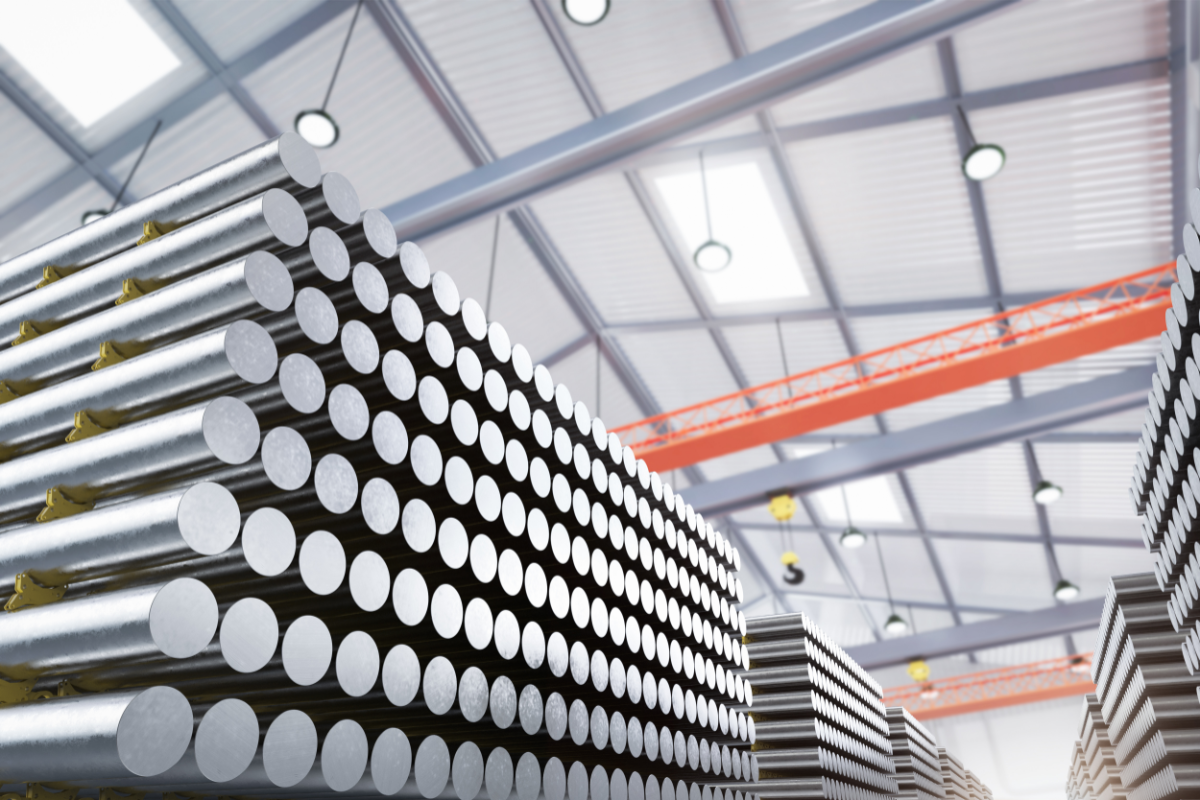
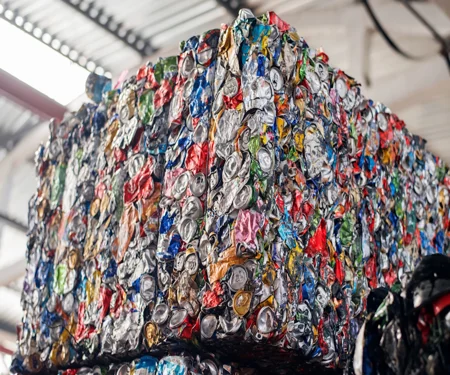
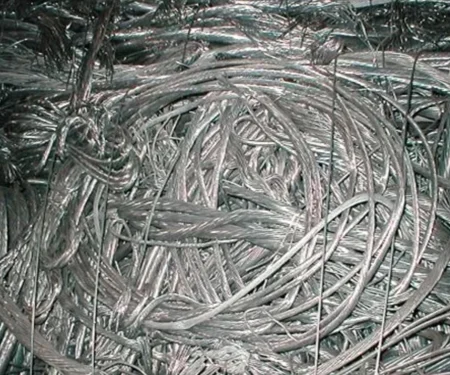
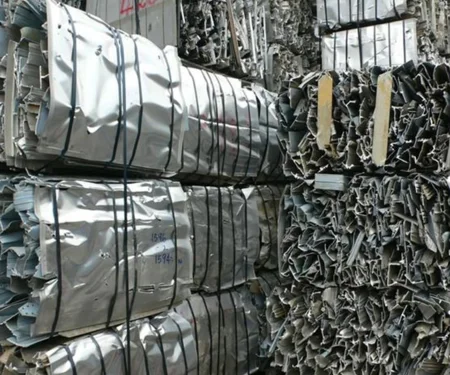
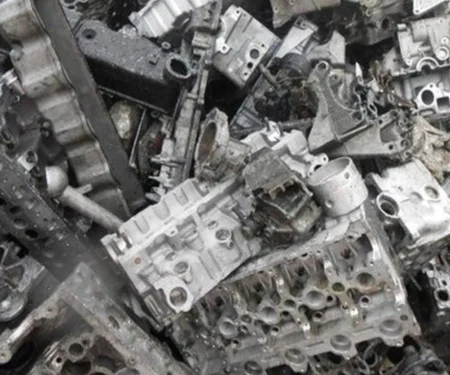
Stock image for referential purposes only
The global aluminium market is undergoing a sharp reset as the ongoing Middle East conflict and the resulting energy disruptions tighten supply, lift production costs and push prices to multi-year highs.
The Iranian missile attacks on the Emirates Global Aluminium (EGA) and Aluminium Bahrain (Alba) facilities have crippled up to an estimated 3 to 3.2 million tonnes of combined annual capacity. Combined with the 40 per cent production shutdown (estimated 259,200 tonnes) at the integrated aluminium complex Qatalum, 3 to 4 per cent of the global supply has been cut short.
Explore: The most comprehensive and forward-looking industry-focused report — Global Bauxite & Alumina Market Forecast to 2036: Supply–Demand, Trade Flows & Price Report
Consequently, aluminium prices climbed to a four-year high of USD 3,643 per tonne on April 16 after the smelter attacks. The London Metal Exchange (LME) aluminium prices have climbed over 13 per cent since the inception of the conflict on February 28 and are up about 19 per cent year-to-date (YTD), according to Reuters. The three-month benchmark aluminium price stood at USD 3,602 per tonne on the close of the Tuesday session.
In the S&P State of the Market briefing analysis, aluminium, one of the most energy-intensive industrial commodities, is exposed to adverse effects from spikes in electricity costs and fuel supply disruptions triggered by geopolitical instability.
The latest disruption has added to the growing strain across global trade and energy corridors, particularly around strategic shipping routes such as the Strait of Hormuz. Analysts described the broader fallout as having “very tumultuous impacts [on] commodity markets.”
To look for buying or selling leads of primary aluminium ingots, visit our B2B marketplace.
Although some idle European smelting capacity could restart, analysts cautioned that any revival remains “contingent on energy costs,” depicting electricity pricing as a defining factor for marginal aluminium production globally.
Concurrently, seasonal demand strength and persistently low inventories are worsening the supply squeeze. The result is an increasingly visible structural deficit in the aluminium market, even as alumina availability remains relatively more comfortable due to reduced smelter operating rates.
The tightening market environment is also improving prospects for Australian aluminium producers. Companies such as Rio Tinto and Alcoa are reassessing expansion opportunities and production increases in Queensland and Victoria as stronger aluminium prices improve project economics.
Rio aluminium chief Jérôme Pécresse told The Australian Financial Review that supply disruptions in the Middle East had already removed nearly 2.5 million tonnes from global supply, creating a rare opportunity for stronger earnings across the sector. “It’s a two-way street. We have an increase in costs, but the net result for profitability is positive,” he said.
While new production capacity outside the Middle East could eventually help offset some of the losses later in 2026, the medium-term outlook for aluminium remains closely tied to the stability of global energy markets. For now, the sector’s direction is increasingly being dictated not just by demand fundamentals, but by energy security and the rising cost of power itself.
Participate in our upcoming e-Magazine - Mine to Market: ALuminium Producers & Manufacturers 2026

LME aluminium price rallies with cash at $3,665/t as faltering stocks signal supply stress
Next articleAluar Aluminio faces pressure from aluminium prices, peso volatility and energy costs
Grow with
AL Circle