Alba
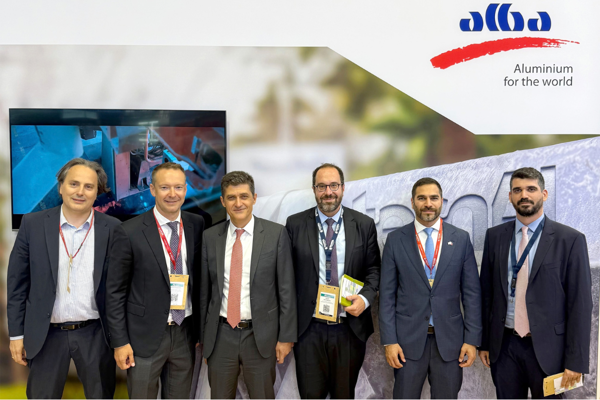
Alba connects with the global aluminium industry at ALUMINIUM 2026
Aluminium Bahrain B.S.C. (Alba) is participating in ALUMINIUM 2026, the world’s leading trade fair for the aluminium industry, taking place from 06 to 08 October 2026 at Exhibition Düsseldorf, Germany. Bringing together key players from across the global aluminium value chain, the event provides Alba with an important platform to engage with customers, industry peers and stakeholders, exchange perspectives on market dynamics, and gain insights into emerging trends and opportunities shaping the sector. Alba’s participation underscores its continued focus on strengthening stakeholder relationships, maintaining close connectivity with key markets, and reinforcing its position within the global aluminium value chain, in support of the Company’s long-term growth and value-creation ambitions....
Alba marks 50 million safe working hours as Deputy King reviews production and Dunkerque acquisition
Aluminium Bahrain (Alba) reviewed its production operations and development projects during a visit by the Deputy King, His Royal Highness Prince Salman bin Hamad Al Khalifa, who also welcomed the company’s recent acquisition of Aluminium Dunkerque, the largest aluminium smelter in the European Union. During the visit, His Royal Highness conveyed the greetings and appreciation of His Majesty King Hamad bin Isa Al Khalifa to Alba’s national workforce. He reviewed the progress of operations across Alba’s production lines and the development projects currently being undertaken by the company. He also commended the company’s achievements, including the milestone of recording 50 million safe working hours. He also commended the efforts and dedication of Alba’s national workforce in maintaining...
Grow with
AL Circle
Price
→Events

15th International Bauxite, Alumina & Aluminium Conference & Exhibition - IBAAS–VFMSTA 2026
ICSOBA 2026 - 44th International Conference and Exhibition
SMM AICE 2026 Southeast Asia Aluminum Conference
15th International Bauxite, Alumina & Aluminium Conference & Exhibition - IBAAS–VFMSTA 2026
ICSOBA 2026 - 44th International Conference and Exhibition
SMM AICE 2026 Southeast Asia Aluminum Conference
Business Cards
A report that reveals where the aluminium casting industry is heading and how businesses can act.
LEARN MORE
A report that reveals where the aluminium casting industry is heading and how businesses can act.
LEARN MOREEurope’s recycled aluminium production: Germany, Italy and the UK anchor a competitive market
Global EV sales to hit 35.4 million by 2030, with aluminium usage forecast to rise 38% in North America & 79% in China
AL Circle analysis: How do Germany’s 32.8% automotive aluminium share, 40% Diet Coke can price rise & 3.54Mt North American extrusion demand matter?
AL Circle Analysis: Guinea’s 150Mt bauxite cap, China’s import swings, US tariffs draw aluminium Q4’26
EU approves Germany’s power relief instrument: Could aluminium producers save €459m annually?
News

Alba runs at 1.3 mtpa as Bahrain smelter navigates Middle East disruptions
Aluminium Bahrain (Alba) is currently producing aluminium at an annualised rate of around 1.3 million tonnes, with the smelter operating at roughly 80 per cent of its pre-Iran war capacity, according to CEO Ali Al Baqali. Alba had a pre-war capacity of around 1.6 million tonnes per year, but production was disrupted after the outbreak of the war and restrictions around the Strait of Hormuz affected exports. The smelter was also hit by an Iranian attack in late March. The Bahrain-based producer is now operating Lines 4, 5 and 6, together representing annualised aluminium production of approximately 1.3 million tonnes, Al Baqali told Reuters on the sidelines of the Fastmarkets Aluminium Conference in Budapest on September 16. Al Baqali described the damage from the Iranian strike as minor...
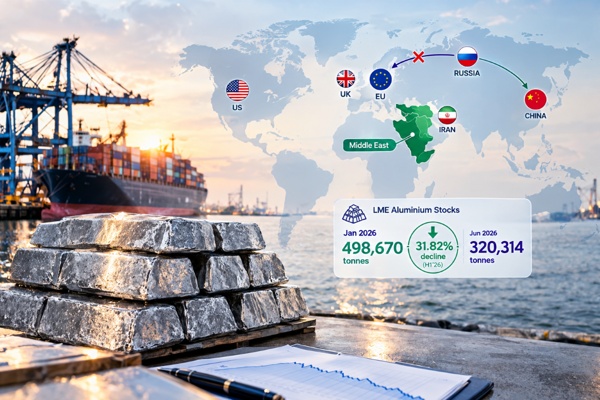
H1’26 LME aluminium stocks dip 31.82%: Russian sanctions & Gulf crisis pack a double blow
As we reflect on the Middle East crisis that commenced on February 28, 2026, and stretched into the second half of the year, it brings to mind the dramatic rise and fall of the London Metal Exchange (LME) aluminium price that reached four-year highs before cooling down. The skyrocketing prices result from the declining inventory levels of the LME aluminium stocks, thereby reporting a month-on-month decline from 498,670 tonnes in January to 320,314 tonnes in June. LME H1 inventory trend: 2026 vs 2025 vs 2024 How has the LME aluminium inventory scenario fared across the January-June period? Here is the six-month cumulative year-on-year comparison among 2026, 2025 and 2024: H1 2026 – 2.48 million tonnes, down 12.88 per cent Y-o-Y H1 2025 – 2.85 million tonnes, down 31.82 per cent Y-o-Y H1...
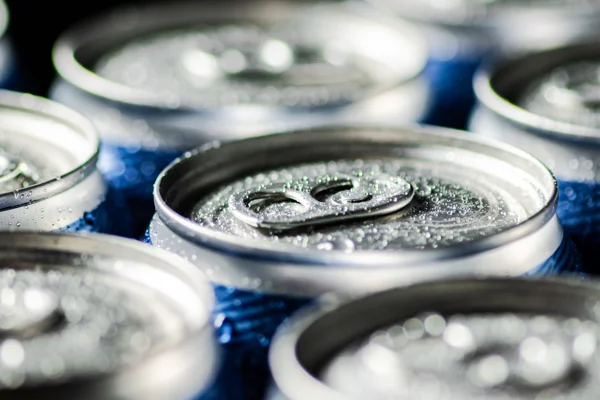
Alba Voronezh launches 4k cans-per-minute plant, targets 25% of Russia’s aluminium can demand
Alba Voronezh has launched a new aluminium beverage can manufacturing plant in the Voronezh region of Russia, with a production capacity of up to 4,000 cans per minute. The facility, located at the “Center” Special Economic Zone (SEZ), represents an investment of RUB 12 billion (USD 143 million). Construction was completed in 11 months, according to Voronezh Governor Alexander Gusev. The plant has created more than 200 jobs and is expected to produce around 1 billion aluminium cans a year. Its warehouses can hold up to 150 million cans. The facility is expected to meet at least 25 per cent of Russia’s demand for aluminium beverage packaging. Over the next 10 years, the plant is projected to contribute around RUB 3 billion (USD 36 million) in taxes to the regional budget, along with more...

Alba reaches 50m hours without LTI, strengthening aluminium safety record
Aluminium Bahrain B.S.C. (Alba) has reached 50 million safe working hours without a Lost Time Injury (LTI) . The milestone was achieved on September 7, 2026, marking a record in the company’s history. The achievement reflects Alba’s continued focus on workplace safety across its aluminium operations. The company said the milestone was made possible through the combined efforts of its employees, management and contractor workforce, with safety built into day-to-day activities and operations. Alba CEO Ali Al Baqali said reaching 50 million safe working hours was a significant achievement for the company and “a proud moment in Alba’s history.” In his words, “It reflects Alba’s unwavering commitment to fostering a workplace where safety is embedded in every activity, decision and behaviour.”...

Alba strengthens corporate leadership with new finance, legal and HR talent
Aluminium Bahrain B.S.C. (Alba) has appointed three executives across finance, legal and organisational development, strengthening its leadership capabilities as the company prepares for its next phase of growth. Aluminium Bahrain B.S.C. (Alba), the world's largest aluminium smelter on one site, has strengthened its leadership team with three strategic appointments spanning finance, legal affairs and organisation development. The company has appointed Layla Al Qassab as Director of Finance, effective September 1, 2026; Taimur Tufail as Manager Legal, effective August 23, 2026; and Aysha Salem as Manager Organisation Development & HR Analytics, effective September 6, 2026. Alba said the appointments will further strengthen its leadership capabilities, enhance organisational effectiveness...

Alba reinforces Bahrainisation with key managerial appointments
Aluminium Bahrain B.S.C. (Alba), the world's largest aluminium smelter on one site, is pleased to announce the recent promotions of S. Abbas S. Baqer to Manager Calciner & Marine and Ali Aseeri to Manager Engineering & Projects. Since joining Alba in 1989 as a Vocational Trainee, S. Abbas S. Baqer has built an accomplished career across engineering, maintenance and marine operations. He has held a number of senior leadership positions and was instrumental in the successful delivery of Alba’s Port Upgrade Project, a key enabler of the Line 6 Expansion Project and the Company’s long-term growth ambitions. Ali brings over two decades of engineering expertise to this role. He started his career in Alba’s Engineering Department in 2005, following which he held several key positions, including...














Blog
LATEST POSTS



Turn marketplace visibility into more relevant buyer enquiries.
View Priority Plans
Turn marketplace visibility into more relevant buyer enquiries.
View Priority Plans
