AL Circle Analysis: From bauxite to trade, how supply risks are reshaping aluminium competitiveness

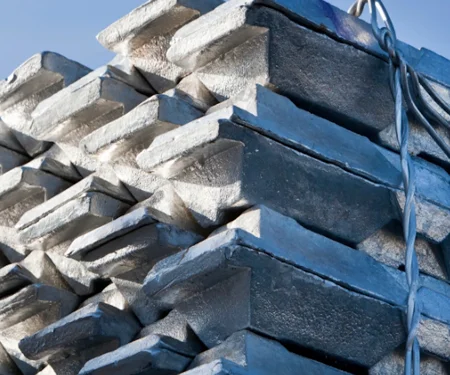
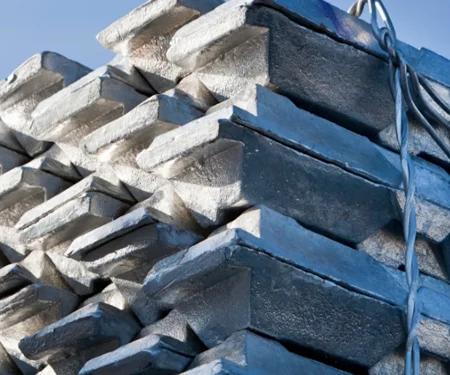
The image used in this article is generated with an AI tool and does not depict any real-time moment
The aluminium industry is entering a phase where supply security is being tested across the entire value chain. The latest developments show the pressure beginning with bauxite, moving through logistics and alumina, feeding into aluminium prices and producer earnings, and eventually reshaping international trade.
What makes these developments significant is the way they connect. Competition for bauxite is intensifying just as alumina supply is becoming more vulnerable to production and energy disruptions. Producers are benefiting from stronger aluminium prices, but tariffs and changing geopolitical risks are altering where metal flows. Meanwhile, the market is already looking beyond the current tightness towards a potentially more balanced 2027.
Bauxite moves from raw material to strategic asset
The race for bauxite resources is becoming increasingly competitive. In India, BALCO secured Odisha's Karlapat bauxite block after the auction pushed the final bid premium to a record 175 per cent. The aggressive bidding highlights the importance aluminium producers are placing on securing long-term access to domestic resources.
The competition is not limited to India. Guinea has signed a new agreement with state-owned Nimba Mining Company to restart the former Guinea Alumina Corporation bauxite mine and advance plans for an alumina refinery, after the government revoked GAC's concession over its failure to deliver the refinery it had committed to build. In Cameroon, the future of Canyon Resources' Minim Martap project has become uncertain after majority shareholder A2MP Investments launched an unsolicited takeover offer for the company.
At the same time, new projects face constraints beyond commercial viability. A bauxite and marl project in Gujarat's Devbhumi Dwarka district has received an environmental clearance recommendation despite its proximity to the Gulf of Kachchh's Marine Wildlife Sanctuary and Marine National Park.
Key takeaways:
- Resource ownership is becoming a competitive advantage: Producers are increasingly competing for control over future bauxite supply rather than relying entirely on the open market.
- Upstream security comes with a higher strategic cost: Aggressive bidding, government intervention and project uncertainty can make securing resources more expensive and complex.
- Future supply will face multiple constraints: Resource availability alone will not determine which bauxite projects ultimately reach production.
Logistics is becoming part of the supply equation
Securing bauxite is only useful if it can be moved reliably. Visakhapatnam Port Authority's record handling of 71 bauxite rakes in July highlights the growing importance of port and rail infrastructure in keeping bulk material moving.
BALCO is also expanding its rail logistics, inducting a second alumina rake as it works towards 1 million tonnes a year of aluminium production. The move is aimed at strengthening alumina transportation and reducing dependence on road movement.
These developments point to a wider issue: as companies expand production, the infrastructure connecting mines, ports, refineries and smelters has to expand with it.
Key takeaways:
- Effective capacity is more than installed capacity: Production cannot expand sustainably if raw materials cannot move through the supply chain.
- Logistics is becoming a strategic asset: Ports, rail connectivity and evacuation infrastructure increasingly influence supply reliability.
- Supply-chain bottlenecks can undermine upstream investment: Securing resources without securing their movement leaves a critical gap between mining and production.
Explore buying & selling leads of bauxite and trade opportunities on AL Biz
Alumina emerges as the industry's vulnerable link
The pressure becomes sharper at the alumina stage. China's alumina imports surged about 749.4 per cent year on year in H1 2026, indicating how strongly the country's aluminium industry is drawing on external supply.
At the same time, Oceania's alumina production fell 3.23 per cent in H1 2026. The disruption at Norsk Hydro's Alunorte refinery added another layer of pressure when natural gas constraints forced production down to 50 per cent of capacity. Hydro estimated that the disruption resulted in a loss of 100,000 to 120,000 tonnes of alumina.
The market reaction was immediate. The Alunorte cut pushed aluminium prices to a seven-week high and helped lift shares of Indian aluminium producers NALCO, Hindalco Industries and Vedanta Aluminium Metal.
Key takeaways:
- Alumina is becoming a critical supply buffer: Bauxite availability does not guarantee aluminium production when refinery output is constrained.
- Energy security is now an aluminium issue: A gas disruption at an alumina refinery can quickly become a problem for the wider aluminium market.
- China's import surge changes the global balance: Rising Chinese dependence on imported alumina adds another major demand pull to an already sensitive supply chain.

Higher prices are masking physical supply pressure
While the physical supply chain is under pressure, producers are benefiting financially. EGA's H1 Adjusted EBITDA rose 11 per cent, supported by higher realised aluminium prices, stronger regional premiums, lower alumina prices and cost discipline.
Maaden's aluminium business delivered a 49 per cent increase in Q2 revenue, while Alba's H1 profit jumped 228 per cent. NALCO also reported a 39 per cent increase in Q1 revenue as higher aluminium prices and improved operational efficiency supported performance.
The contrast is important: physical disruptions are not necessarily translating into weaker producer earnings while the market remains tight.
Key takeaways:
- Price is currently absorbing part of the supply shock: Strong aluminium prices and regional premiums are cushioning producers against operational disruptions.
- Earnings strength is not the same as supply strength: Companies can report stronger profits even when parts of their production chain are under pressure.
- The vulnerability lies in price normalisation: If aluminium prices and premiums weaken, the financial cushion supporting producers could narrow quickly.
Trade flows are being redrawn by tariffs and geopolitics
The changing supply balance is also influencing where aluminium moves. US aluminium exports to Canada fell to 110,166 tonnes in January-May 2026 from 169,306 tonnes a year earlier, while EU exports to Canada have been moving higher.
Tariffs are reinforcing this shift. Canada's Prime Minister Mark Carney said US buyers are bearing much of the cost of the 50 per cent aluminium tariff, while the US aluminium producer price index rose 52 per cent between June 2025 and June 2026.
Europe offers a different picture. Its duty-paid aluminium premium has fallen 18 per cent from its mid-May peak as geopolitical concerns ease, more smelting capacity returns, import sources diversify and downstream demand remains weak.
Key takeaways:
- Trade is becoming a tool for managing supply risk: Buyers are increasingly able to adjust sourcing when tariffs or geopolitical conditions alter landed costs.
- Regional premiums reflect perceived risk as much as physical supply: Europe's falling premium shows how quickly the geopolitical component of pricing can unwind.
- Tariffs can redistribute competitiveness rather than simply restrict trade: Higher import costs can encourage buyers to reconsider traditional supply relationships.
To know the production, demand and consumption forecasts of bauxite and alumina, explore the report "Global Bauxite & Alumina Market Forecast to 2036: Supply–Demand, Trade Flows & Price Outlook"
The 2027 question is already shaping today's decisions
The market is now beginning to look beyond the tight conditions supporting aluminium prices in 2026. Press Metal expects the current tight market to become more balanced, with a potential supply surplus emerging in 2027. Following the initial US-Iran peace deal, LME aluminium prices fell from around USD 3,800 per tonne to approximately USD 3,200 per tonne.
That shift puts the entire supply-chain story into perspective. Companies are competing aggressively for bauxite and strengthening logistics because today's market rewards supply security. Refinery disruptions are supporting aluminium prices, while producers are converting those prices into stronger earnings. But if supply becomes more balanced next year, the factors supporting those advantages could change.
Key takeaways:
- Today's supply advantage may become tomorrow's cost burden: Investments made during a tight market will be tested if supply conditions ease.
- Resilience is becoming more valuable than capacity alone: The ability to secure raw materials, maintain logistics and manage disruption could determine competitiveness across market cycles.
- The industry is moving towards full-chain competition: The winners will increasingly be those that manage bauxite, alumina, logistics, pricing and trade as one connected supply strategy.
Hindalco’s 8.5Mt Baphlimali mine secures India’s first ASI certification
Next articleJamaican bauxite takes a Louisiana route to Ghana’s aluminium industry in proposed $60m deal
Grow with
AL Circle