WEEKLY: Bauxite stays flat as shipping costs jump; China ports pile up stock, demand stays soft

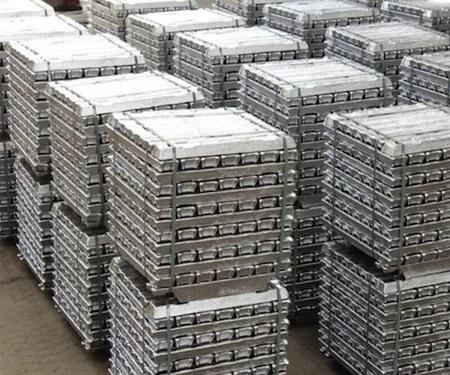
The image used in this article is generated with an AI tool and does not depict any real-time moment
Last week, domestic ore prices remained generally stable. The supply side of domestic ore showed a continuous tightening trend, driving some traders and alumina refineries to purchase Turkish ore for blending purposes. Factories in Shanxi and Henan regions hope to further increase the usage of imported ore to ensure production. Mysteel expects domestic ore prices to have a slight upside room in the short term.
Regarding imported ore, according to Mysteel’s research, a large mine in Guinea significantly raised its October quotation. With FOB prices remaining stable, ocean freight increased by US USD 3.5 per tonne to US USD 36 per tonne. Combined with oil price adjustments, the CIF price to major northern Chinese ports may exceed US USD 78 per dry tonne. Currently, refineries have shown strong resistance and will counteroffer, with target prices unchanged from last month.
In terms of spot transactions last week, there was a brief recovery. On one hand, traders believe that persistently high ocean freight provides significant cost support, gradually strengthening their willingness to stockpile. On the other hand, refineries, constrained by weak alumina prices and pessimistic expectations for the future, continue to suppress procurement prices. As a result, most transactions last week occurred between traders and have not yet flowed to end-user refineries.
From an inventory perspective, Mysteel surveyed the full-process inventory data of alumina refineries nationwide, covering all time and spatial nodes from the ocean shipping stage to in-plant transportation. The data shows that refinery inventories are mixed but overall relatively healthy. Except for a few refineries using 100 per cent domestic ore, where high turnover of domestic ore leads to chronically low inventories, inventories at other refineries using imported ore are basically higher than previous years’ levels. Based on this, refineries’ acceptance of rising ore prices remains low in the short term.
Overall, the ore market maintained a contradictory situation last week: obvious cost support versus pessimistic sentiment on the demand side. However, since total demand is only increasing rather than decreasing in the short-term plan, Mysteel believes imported ore prices are prone to rise but difficult to fall, with limited gains. The transaction price centre is expected to fluctuate slightly upward.
From September 18 to September 24, 2026, the total global bauxite shipment volume from major countries was 3.81 million tonnes, with 2.76 million tonnes destined for China, a month-on-month decrease of 32.06 per cent. The quantity in transit (on the water) was 16.83 million tonnes, mainly sourced from Guinea and Australia.
Last week, the total bauxite shipment to China dropped significantly month-on-month. The decline was mainly driven by the contraction of Guinean supply, primarily due to the suppression of high ocean freight, compounded by minor disruptions from the rainy season in Guinea. Rainfall in Guinea increased last week, but most cargoes had completed loading in advance, so the actual impact on current shipments was limited.
By country, Guinea remains China’s largest overseas source of bauxite. Last week, shipments to China from Guinea were 2.12 million tonnes, down 33.22 per cent month-on-month. With ocean freight at a high level, the profit margin for spot ore shipments is squeezed, significantly suppressing the willingness of mines and traders to sell spot ore. Additionally, the rainy season in Guinea has not completely ended, and continuous rainfall constrains mining and inland transportation, limiting the release of incremental supply. Overall shipments have contracted.
Australian shipments to China last week were 638,600 tonnes, down 27.90 per cent month-on-month. Australian mine production and port loading operations were generally stable, with no extreme weather or equipment failures. The decline in shipments was mainly affected by vessel scheduling. The combined quantity in transit from the two countries was 16.83 million tonnes. The high volume of cargo on the water sustains pressure for continuous arrivals at domestic ports.
In the shipping market, international oil prices strengthened amid fluctuations, and international dry bulk freight rates remained high. Freight rates on major routes from Guinea and Western Australia were firm, continuously pushing up China’s import costs of bauxite.
Overall, shipments dropped significantly month-on-month last week, mainly due to high freight suppressing spot sales willingness, compounded by the rainy season in Guinea disrupting ore output. The massive volume in transit continues to support domestic raw material supply, and there is still a possibility of inventory accumulation at ports. Moving forward, focus should be on Guinean shipments, while continuously monitoring international oil prices, ocean freight fluctuations, and the actual arrival pace and import cost changes of bauxite.
From September 18 to September 24, 2026, 34 bauxite vessels arrived at major Chinese ports, mainly from Guinea and Australia, with a total arrival volume of 4.6495 million tons, up 58.71 per cent month-on-month. As of September 25, 2026, the bauxite inventory at major Chinese ports was 32.06 million tonnes, up 1.86 per cent month-on-month.
Port inventories overall accumulated slightly, with a significant divergent pattern across regions, showing mixed performances in northern and southern ports. By port, most northern ports saw inventory increases. Weihai Port rose 27.27 per cent month-on-month, and Jingtang Port increased 24.49 per cent. The accumulation was mainly due to concentrated overseas bauxite arrivals, where the arrival pace of vessels outpaced the outbound pickup rhythm of downstream users.
On the demand side, the operating rate of domestic downstream alumina enterprises remained generally stable. There were no large-scale concentrated maintenance or shutdowns in the industry. Downstream maintained normalised rigid procurement, while terminal demand was stable but weak, and the pickup strength was insufficient to quickly digest the existing port inventory. On the supply side, overseas bauxite in transit remains high, with ample cargo on the water and continued expectations of arrivals, leaving potential inventory accumulation pressure at ports.
In summary, the slight inventory accumulation at ports last week was a structural divergence driven by concentrated arrivals at some ports, not by a significant improvement in downstream demand. The industry remains in a loose pattern of high inventory, high in-transit volume, and weak demand. The fundamental supply surplus has not changed substantially, and short-term domestic bauxite port inventories are likely to remain at high levels.
Note: This article has been shared by Mysteel and has been published by AL Circle with its original information without any modifications or edits to the core subject/data.
Canyon Resources’ Minim Martap bauxite project faces fresh uncertainty over funding and first shipment
Next articleUS bauxite imports decline 14.5% in H1 2026 while volumes climb 6.9%
Grow with
AL Circle