China gains as alumina reroutes from the Strait of Hormuz disrupts the Middle East supply
The rerouting of the raw materials away from the Middle East is suggested to be benefiting the Chinese aluminium producers. This is because China is receiving a higher amount of alumina, the precursor refined from bauxite, due to the ongoing US-Israeli war with Iran. As a result, the country is facing a surplus and boosted profits at its smelters, where alumina is turned into aluminium.
The supplies to the Middle Eastern producers are throttled due to the near-total shipping halt in the Strait of Hormuz, accounting for nearly 9 per cent of the global aluminium. According to an analyst with the Shanghai-based broker Zijin Tianfeng Futures Co., Chen Jingmin, said that alumina is now "being dumped" on the global markets.
The alumina dumping is directly reflected in the price, where in Western Australia, the benchmark-free-on-board alumina price dropped to USD 298 per tonne, marking the lowest since July 2021.
Changed route benefiting China
China, holding the largest aluminium industry globally, is a prime spot for stranded cargoes. Current geopolitics has pushed prices of aluminium to near four-year highs, while also boosting Chinese profit margins to unprecedented levels.
Additionally, China, being the top producer of alumina globally and has been exporting its excess supply in recent years. According to estimates from Zijin Tianfeng, the region's changing trade patterns will make the total alumina import rise to 280 thousand tonnes in April. This will further result in two-year high net imports of 90 thousand tonnes. According to Chen, there will be more volumes entering China's boundaries, creating a distorted domestic supply which could, otherwise, be exported.
According to Reuters' report, three large ships loaded with bauxite, totalling around 371 thousand tonnes, have changed their routes after getting close to the Gulf. In addition, another vessel that was supposed to deliver Australian bauxite to the Gulf is now heading to China instead. On top of that, two ships carrying alumina that were meant for Bahrain are also adjusting their paths.
Must read: Key industry individuals share their thoughts on the trending topics
Australia is facing a drop
Australia is the major alumina supplier, alongside Brazil, India and Russia. Given the current situation and China's changing trade patterns, even if the cargoes of this region provide tempting discounts, the high shipping costs might still keep buyers at bay. On the flip side, if China starts to stockpile supplies, the market can witness a drop in smelter input costs, leading to a boost in aluminium exports to help fill the gap in the Middle East.
Traders are keeping a close eye on whether export orders will continue to rise from their already high levels. This comes after a noticeable uptick in inquiries for semi-finished products from clients in Europe and the US since the war began, as noted by Zhang Meng, the General Manager of Shandong Aize Business Information Consulting Co. He also mentioned that Chinese exports of unwrought aluminum and related products saw a 13 per cent increase in the first two months of the year, driven by stronger demand from data centers and solar panel applications.
Check out the historical and daily LME aluminium price seamlessly here
Mounting challenge in the Gulf
Emirates Global Aluminium’s (EGA) alumina refinery at Al-Taweelah, which is located near the UAE’s Khalifa Port, plays a crucial role as the region’s main importer of bauxite, the essential ore that gets refined into alumina before it’s transformed into aluminium. However, due to the recent disruptions, the supply of these vital raw materials has been limited.
In Bahrain, Aluminium Bahrain (Alba), the country’s sole aluminium smelter, has had to shut down three of its smelting lines, which represent about 19 per cent of its total capacity, in an effort to cope with the situation.
Earlier this month, Alba also declared force majeure on its contracts, explaining that it could not fulfil its metal delivery commitments to customers. These supply issues have led to some market instability, pushing aluminium prices on the London Metal Exchange (LME) up to USD 3,546.50 per tonne, which is nearing a four-year peak.
Don’t miss out- Buyers are looking for your products on our B2B platform
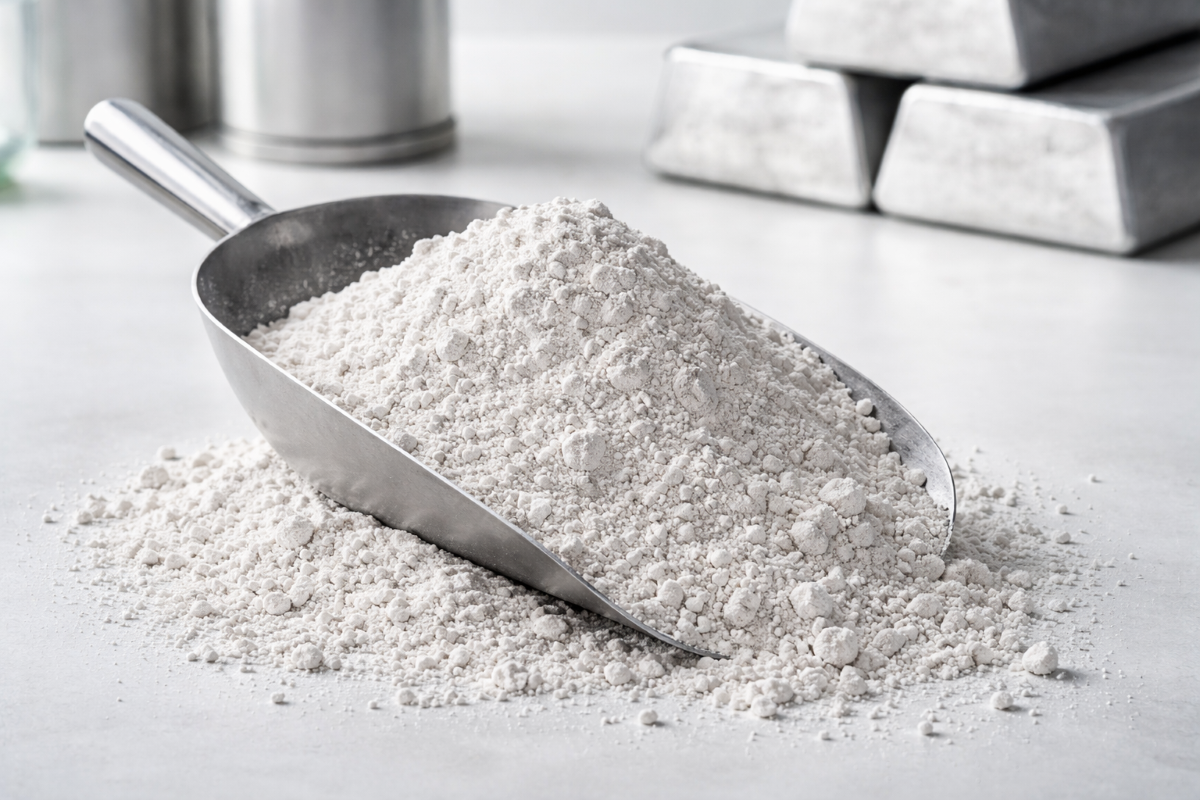
Note: The image used in this article is generated with an AI tool and does not depict any real-time moment
_0_0.png)
DAILY: Chinese alumina prices climb further in spot, futures markets
Next articleWEEKLY: China's alumina prices inch higher on tight spot availability, rising freight costs
Grow with
AL Circle