From mines to markets: How geopolitics and raw material pressures are transforming aluminium supply chains
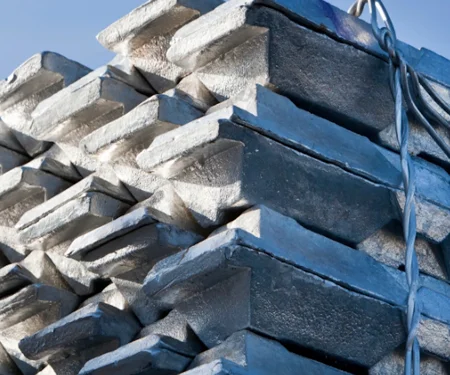
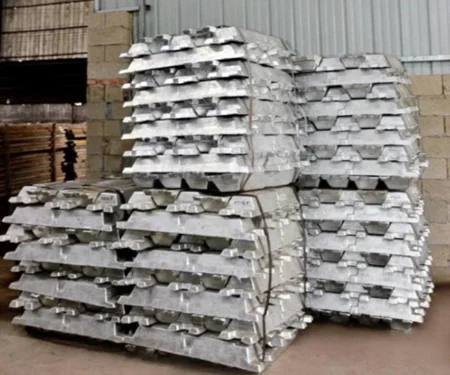
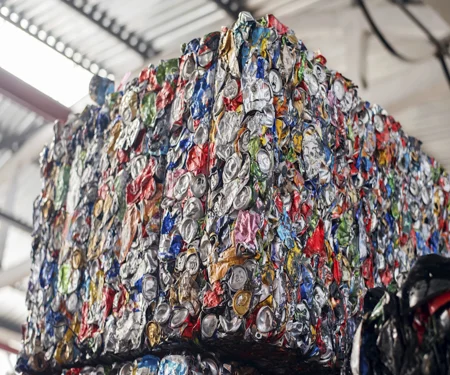
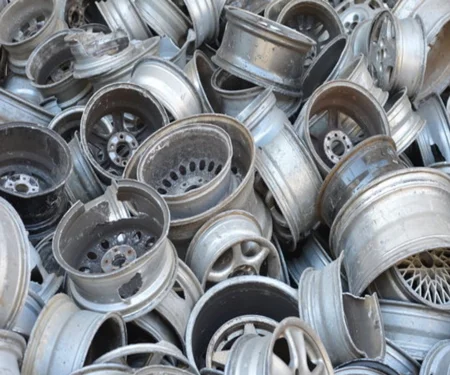
The image used in this article is generated with an AI tool and does not depict any real-time moment
The global aluminium industry is entering a phase where the biggest concern is no longer just building more smelters or expanding downstream demand. Across Asia, Europe, the Middle East and the Americas, the focus is increasingly shifting toward securing stable supplies of bauxite and alumina as geopolitical tensions, trade measures and energy disruptions continue reshaping global supply chains.
Governments are accelerating mining investments, producers are expanding refining and smelting capacity, and buyers are searching for safer and more reliable trade routes. From Indonesia’s raw material ambitions to China’s export surge and Europe’s tariff safeguards, the aluminium value chain is being redrawn in real time.
The raw material race
Indonesia has become central to the global aluminium conversation as the country aggressively expands its upstream aluminium chain. However, the deeper it moves into refining and smelting, the greater its dependence on stable bauxite supply becomes.
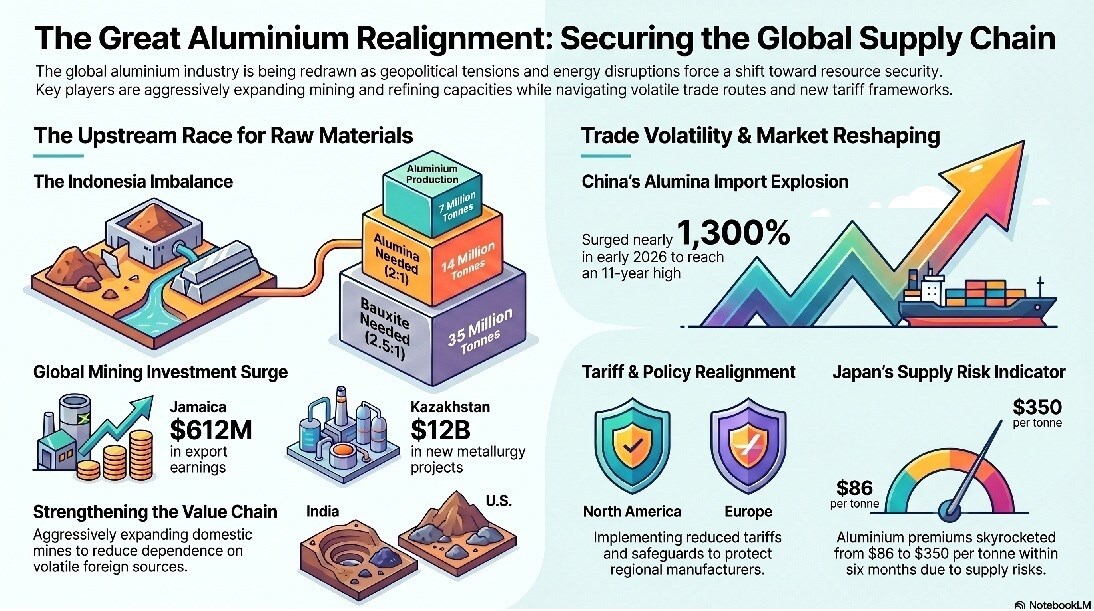
The imbalance is becoming increasingly visible. If Indonesia’s aluminium production capacity rises beyond 7 million tonnes, the country would require more than 14 million tonnes of alumina. Using the standard 2.5:1 conversion ratio, that would mean demand for nearly 35 million tonnes of bauxite. Despite holding around 3 billion tonnes of reserves, Indonesia’s mine production growth has not matched the speed of refinery expansion. Read the full story here.
The push to secure raw materials is now spreading across multiple producing regions. Jamaica said its bauxite and alumina sector generated USD 612 million in export earnings in 2025, while investment in the mining sector climbed from USD 251 million to USD 326 million despite disruptions caused by Hurricane Melissa.
Kazakhstan is exploring metallurgy projects worth between USD 10 billion and USD 12 billion focused on expanding domestic bauxite, alumina and aluminium processing capacity. Meanwhile, the United States is looking at possible involvement in Guyana’s bauxite sector and broader mining opportunities as it seeks to strengthen access to mineral resources. Read here.
India is also witnessing stronger upstream activity. Odisha Mining Corporation is planning to expand the Kodingamali Bauxite Mine from 3.6 MTPA to 6 MTPA, signalling sustained demand growth from the aluminium sector. Click here for the article.
Explore: The most comprehensive and forward-looking industry-focused report — Global Bauxite & Alumina Market Forecast to 2036: Supply–Demand, Trade Flows & Price Outlook
Alumina trade under pressure
The alumina market is also being reshaped as conflicts and shifting trade patterns begin disrupting traditional supply routes.
NALCO said exports to the Middle East were affected by geopolitical tensions involving Iran, Israel and the United States. The company exports 40 to 50 per cent of its alumina production to the region, making the disruption particularly significant for its trade flows.
At the same time, Indonesia’s alumina exports surged sharply in the first quarter of 2026. Export volumes rose more than 40 per cent year-on-year, although export values fell by 27.7 per cent, reflecting weaker alumina prices despite stronger shipments.
China’s buying activity added another layer to the market shift. According to GACC data, China’s alumina imports reached an 11-year high in April after surging more than 5,500 per cent year-on-year. During the first four months of 2026, imports climbed nearly 1,300 per cent compared with the same period last year.
Meanwhile, the European Union is considering tighter controls on alumina exports linked to Russia as Brussels increases pressure on commodities that could support Russian military production.
A reshuffling of trade
As volatility spreads across the supply chain, aluminium trade flows are beginning to rebalance.
China’s exports of unwrought aluminium and aluminium products climbed 15.4 per cent year-on-year in April 2026, reaching 598,000 tonnes as global buyers increasingly turned toward Chinese supply amid disruptions in Gulf trade corridors. The monthly export figure marked China’s strongest performance since December 2024. Click here for an indepth analysis.
North America is also adjusting its trade framework. The United States introduced a mechanism allowing Canadian and Mexican steel and aluminium producers to apply for reduced Section 232 tariffs if they commit to investing in manufacturing operations within the US. Under the proposal, tariffs could be reduced from 50 per cent to 25 per cent. Read here.
Europe, meanwhile, moved to protect regional industry through a provisional trade agreement with the United States that includes safeguards tied to steel and aluminium tariffs. The agreement would allow Brussels to suspend tariff preferences if US duties remain above 15 per cent beyond 2026 or if imports begin harming European producers.
Japan’s aluminium premium has also emerged as a major indicator of supply risk in Asia. Within six months, premiums surged from USD 86 per tonne to more than USD 350 per tonne, pushing delivered aluminium prices above USD 3,800 per tonne and sharply increasing procurement costs for buyers.
Participate in our upcoming e-Magazine - Mine to Market: ALuminium Producers & Manufacturers 2026
Expansion and vulnerability
Even as market uncertainty intensifies, aluminium producers continue expanding operations to capture long-term demand growth.
Alcoa reported strong growth in its aluminium business during the first quarter of 2026, supported by demand from the packaging, electrical and transportation sectors. Third-party aluminium sales climbed to USD 2.54 billion from USD 1.91 billion a year earlier, while aluminium product sales also increased strongly. Read the full report here.
In Bahrain, Alba reported a 316 per cent year-on-year rise in profitability despite operational disruptions linked to Gulf tensions. However, profits declined on a quarterly basis as supply chain pressures continued affecting the region.
Africa’s aluminium industry exposed another side of the global supply challenge. Regional aluminium production fell 6.2 per cent quarter-on-quarter in Q1 2026 following the Mozal shutdown, highlighting how dependent the continent remains on concentrated production hubs, fragile electricity systems and climate-sensitive infrastructure.
Europe is also attempting to strengthen domestic aluminium production capacity. Rio Tinto-backed Arctial plans to begin first hot metal production from its Finland smelter project in the second half of 2029, with the company targeting a 20 per cent increase in European aluminium production.
India, meanwhile, continues to push downstream expansion. Hindalco secured local backing for Aditya Aluminium’s brownfield expansion project, which aims to raise aluminium production capacity from 6.8 LTPA to 9.0 LTPA while also increasing captive power capacity from 1,230 MW to 1,530 MW.
The aluminium industry is increasingly being shaped not just by demand growth, but by the race to secure bauxite, alumina, energy and stable trade routes. As geopolitical tensions, supply disruptions and trade barriers intensify, producers and governments are rapidly restructuring supply chains to reduce risk and strengthen long-term resource security.

Century Aluminum faces earnings pressure from energy costs and aluminium price swings
Next articleUBS upgrades Alcoa on expectations of stronger aluminium prices
Grow with
AL Circle