From USD 86 to USD 350: how 6 months reshaped Japan’s aluminium premium to become Asia’s new risk benchmark

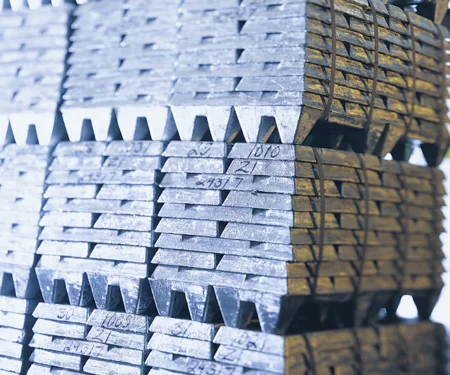
The image is generated with an AI tool and does not depict any real-time moment
Japan’s aluminium premium has climbed from USD 86 per tonne in Q4 2025 to an average USD 351.5 per tonne (ranging between USD 350-353 per tonne) for Q2 2026 shipments, being the steepest quarterly escalation in more than a decade and the highest level since the USD 380-per-tonne settlements recorded in 2015. The recently agreed premium has added more than USD 260 per tonne to Japanese buyers’ physical procurement costs within 6 months, pushing delivered aluminium prices above USD 3,800 per tonne.
The scale and speed of the escalation have fundamentally altered the role of the Japan Main Port (MJP) premium, long regarded as Asia’s benchmark for physical aluminium shipments. Historically, the premium largely reflected freight economics, regional demand and availability. In 2026, it has evolved into a pricing mechanism for geopolitical risk, supply-chain resilience, energy scarcity and carbon-linked procurement.
During Q4 2025 negotiations, Japanese buyers settled premiums around USD 86 per tonne despite producer offers ranging between USD 95 and USD 110 per tonne. By Q1 2026, settlements had surged to USD 195 per tonne after producers opened negotiations between USD 190 and USD 225 per tonne, representing a 127 per cent quarter-on-quarter jump.
Unlock full access – sign up for FREE.
Key benefits
Oman’s Sohar Aluminium attracts UAE’s EGA to deepen Gulf and global footprint
Next articlePositive factors still provide support, but upside room for aluminium prices is limited
Grow with
AL Circle