Rio Tinto backed Finland aluminium project, aims to boost European supply by 20%
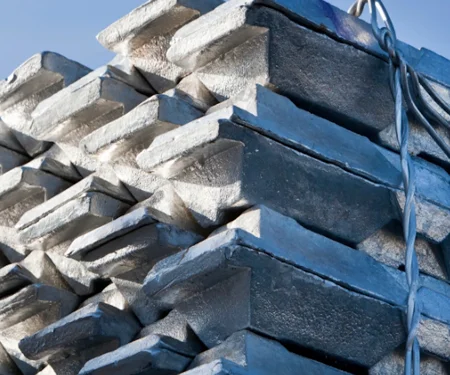
Stock image for referential purposes only
Arctial, backed by Rio Tinto, is targeting first hot metal production from its planned aluminium smelter in Finland in the second half of 2029.
Speaking at the CRU World Aluminium Conference in London, Arctial chief commercial officer Maxime Vandersmissen said the project aims to produce around 610,000 tonnes of aluminium annually. The project is still awaiting a final investment decision, expected in 2027.
To know the long-term bauxite market forecast, book our report: “Global Bauxite & Alumina Market Forecast to 2036: Supply–Demand, Trade Flows & Price Outlook”
According to the company, the new smelter could increase aluminium production in Europe by around 20 per cent. Europe produced 7.1 million tonnes of aluminium in 2025, according to the International Aluminium Institute. This figure includes production from Russia, where Rusal produced 3.9 million tonnes last year.
The project has gained attention as the conflict involving Iran has tightened aluminium availability in Europe, which depends heavily on imports. Exports from Gulf producers have been affected after the conflict disrupted bulk shipping through the Strait of Hormuz.
The Middle East accounts for around 9 per cent of global aluminium supply, with annual production capacity of about 7 million tonnes. Reduced supply from the region has pushed up aluminium premiums in Europe.
The premium paid by European buyers above the London Metal Exchange aluminium price for primary aluminium has risen to USD 599 per tonne, up 67 per cent since the conflict involving Iran escalated in late February.
Don't miss out- Buyers are looking for your products on our B2B platform
In Rotterdam, the premium for aluminium extrusion billet rose to USD 1,152.5 per tonne, compared with around USD 530 before the conflict.
Arctial’s planned facility would be the first primary aluminium development project in continental Europe in more than 30 years. However, the project alone would not fully replace Europe’s import requirements.
According to Trade Data Monitor, Europe imported around 1.2 million tonnes of primary and alloyed aluminium from the Middle East and Egypt last year, accounting for about 20 per cent of total imports.

Mozal shutdown exposes Africa’s aluminium production vulnerability as Q1 2026 output falls 6.2%
Next articleJohn Williamson to continue as Chairman of the London Metal Exchange
Grow with
AL Circle