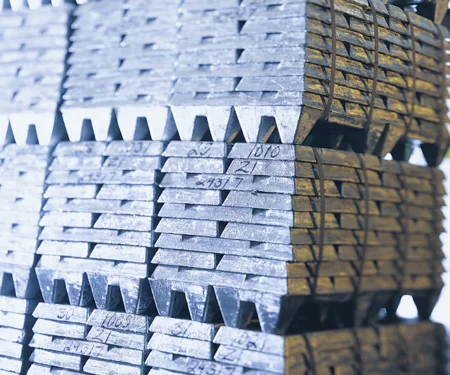
Alba sales decline 17% in Q1 2026 as Gulf conflict disrupts aluminium supply chains
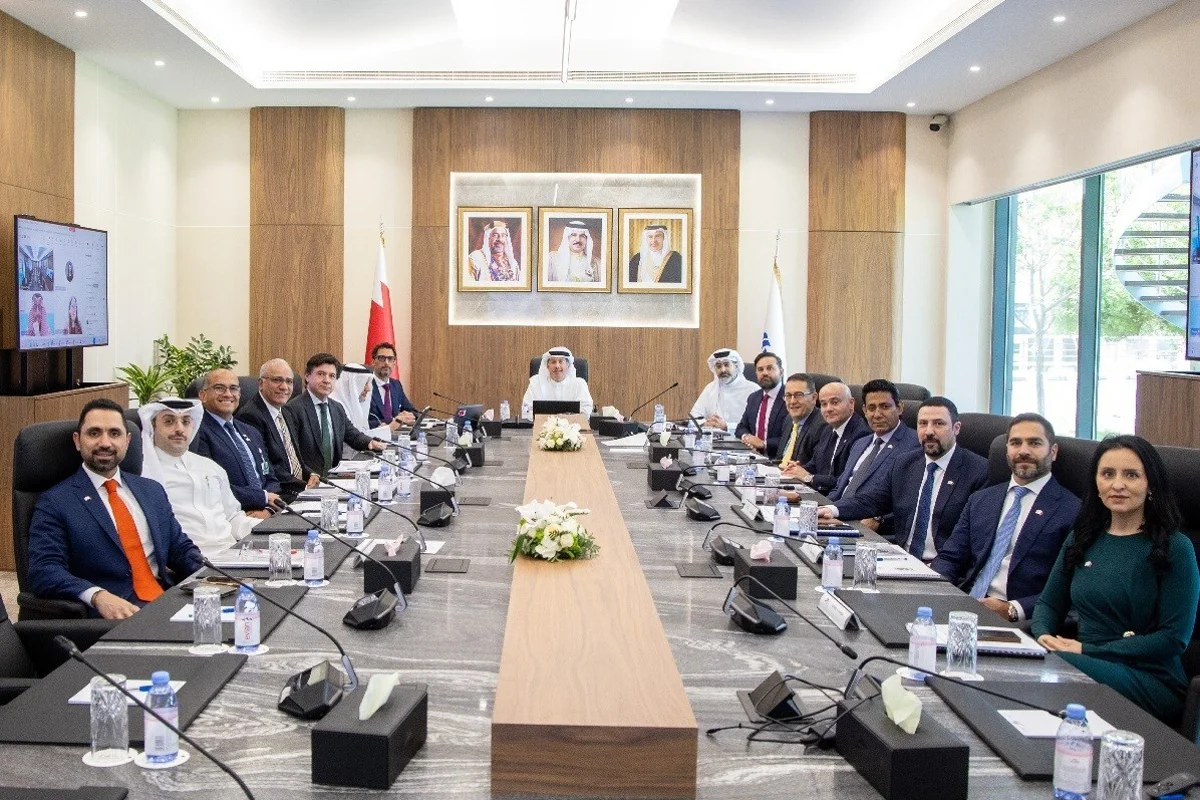
This image has been obtained via official Press Release
Aluminium Bahrain, the world’s largest aluminium smelter on a single site, reported a sharp rise in profitability in Q1 2026 despite operational disruptions caused by regional tensions across the Gulf.
Profit attributable to equity holders surged 316 per cent year on year to BHD 75.3 million (USD 200.3 million) in Q1 2026, compared with BHD 18.1 million (USD 48.2 million) in Q1 2025. However, compared with Q4 2025, profit declined from BHD 108.7 million (USD289.2 million), reflecting a quarter-on-quarter drop of around 30.7 per cent.
Operationally, the quarter reflected mounting regional pressure on production and trade flows. Sales volume declined 17 per cent Y-o-Y in Q1 2026, to 312,563 tonnes as shipping disruptions, including constraints through the Strait of Hormuz, affected exports and logistics. Net finished production also fell 14 per cent to 339,734 tonnes following the controlled shutdown of Lines 1–3 amid prevailing regional tensions.
Value Added Products (VAP) continued to account for the majority of shipments at 71 per cent, although VAP volumes declined 16 per cent Y-o-Y to 222,626 tonnes due to weaker shipment activity. Alba also confirmed natural gas prices at USD 4.5 per MMBTU for the full 2026 calendar year.
Basic and diluted earnings per share rose to 53 fils from 13 fils a year earlier, while total comprehensive income climbed 353 per cent Y-o-Y to BHD 76.1 million (USD 202.4 million).
The company’s balance sheet strengthened during the quarter as total equity attributable to Alba shareholders increased to BHD 2,098.7 million (USD 5.58 billion) as of March 31, 2026, compared with BHD 2,084.6 million at the end of December 2025. Total assets rose 7 per cent to BHD 2,807.6 million (USD 7.47 billion).
Strait of Hormuz risks expose Gulf aluminium dependence
The quarter also reinforced how heavily the Gulf aluminium industry depends on the Strait of Hormuz, the main export route for aluminium from Bahrain, the UAE and Qatar. The narrow 33-kilometre-wide corridor remains critical for a region whose aluminium industry was built around low-cost energy advantages rather than diversified logistics infrastructure.
The Gulf accounts for around 8-9 per cent of global primary aluminium production, while Aluminium Bahrain alone operates nearly 1.6 million tonnes of annual smelting capacity, making it one of the world’s largest single-site producers.
Regional conflict increased supply chain uncertainty during Q1 2026, even as stronger US manufacturing activity and resilient Chinese industrial output supported the global economy. Global aluminium demand rose 0.5 per cent Y-o-Y, driven by packaging, automotive and electrical sectors, while supply increased 2 per cent but remained constrained by China’s 45 million tonne production cap.
Middle East aluminium production declined around 3 per cent Y-o-Y, due to conflict-related curtailments. As a result, global markets remained heavily dependent on Chinese supply, with a surplus of around 592,000 tonnes including China, while ex-China markets stayed in a deficit of roughly 135,000 tonnes.
Explore: The most comprehensive and forward-looking industry-focused report — Global Bauxite & Alumina Market Forecast to 2036: Supply–Demand, Trade Flows & Price Outlook
Alba pushes expansion, logistics flexibility and sustainability plans
Alongside managing operational disruptions, Aluminium Bahrain continued to advance its long-term growth strategy during 2026. On May 6, 2026, the company signed a Share Purchase Agreement with American Industrial Partners for the proposed acquisition of Aluminium Dunkerque after obtaining the required works council approvals. The transaction is still subject to regulatory clearance before completion.
Amid tightening raw material availability, Alba introduced disciplined production curtailment measures aimed at optimising alumina consumption, maintaining smelter stability and protecting operational integrity. The company said it continues to closely monitor inventory positions and operating conditions while maintaining operational flexibility.
To strengthen supply-chain resilience, Alba also expanded its sourcing diversification strategy and introduced more flexible logistics arrangements, including the use of multiple regional ports and multimodal transport routes for both imports and exports. Read Alba’s 2025 performance report: Higher LME prices and operational discipline drive 18.5% YoY profit growth for a indepth view.
For 2026, the company’s priorities remain centred on operational continuity, employee safety and rapid response capabilities during regional disruptions. At the same time, Alba plans to continue advancing sustainability initiatives aligned with Bahrain’s net-zero ambitions while expanding its portfolio of value-added aluminium products supported by certification frameworks.
Efficiency improvements remain another major focus area. Since 2024, Alba’s e-Al Hassalah programme has delivered cumulative benefits of USD 126.37 million despite the company reporting a marginal net loss of USD 0.52 million in Q1 2026. Alba said the programme will continue using Lean Six Sigma methodologies and AI-driven initiatives to improve operational performance, while long-term strategic projects such as Alba Daiki Sustainable Solutions remain under development to support future growth positioning.
B2B - To look for buying or selling leads of "industrial extrusion" , visit our B2B marketplace.

Tightening supply combined with import pullback, tight aluminium scrap circulation underpins prices
Next articleAluminium Corporation of China Limited shares fall 3.38% amid pressure on aluminium
Grow with
AL Circle