Canada-US trade talks: Carney seeks deal as aluminium and auto tariff pressure mounts
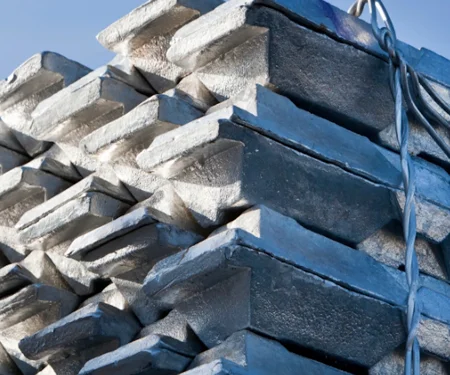
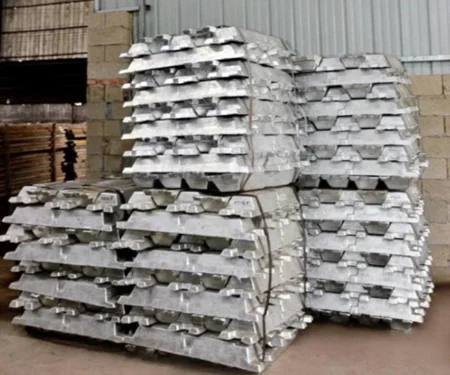
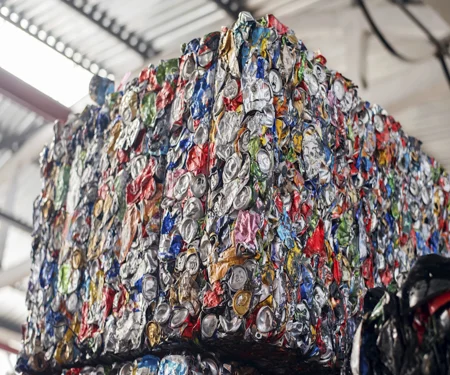
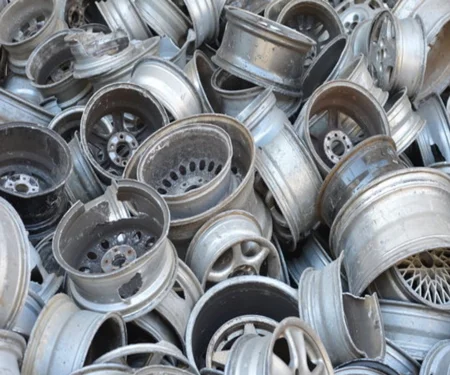
Stock image for referential purposes only
Canadian Prime Minister Mark Carney has indicated Ottawa’s readiness to resume Canada-US trade talks and reach a deal with President Donald Trump, as the tariff debate continues to pressure deeply integrated supply chains. Tariff uncertainty could also pressure aluminium trade, costs, aluminium extrusion and downstream industries on both sides of the border, reiterating the essentiality of a stable Canada-US trade framework.
Speaking in Thunder Bay, Ontario, on Thursday, Carney stated that Canada was prepared to negotiate when the US was ready, while stressing that any agreement must offer stability and credibility.
To know the aluminium casting demand forecast in the transportation sector, explore our report “Global Aluminium Casting Market 2026-2032: Plant Economics, Alloy Segmentation, Pricing Intelligence, Supply Chain Analysis & Strategic Recommendations”
Carney keeps door open to US trade agreement
Carney’s comments came after trade negotiations between Canada and the US broke down on August 21, leaving both sides facing renewed tariff uncertainty.
The US has imposed a 50 per cent tariff on around CAD 27.6 billion (USD 20 billion) of Canadian goods, including aluminium. In response, Canada has announced “dollar-for-dollar” retaliation against US imports from September 8.
The dispute has added fresh pressure to one of the world’s most closely integrated trading relationships. Canada sends more than 70 per cent of its exports to the US, leaving several industries particularly exposed to changes in bilateral trade policy.
Explore downstream aluminium suppliers, product listings and trade opportunities on AL Biz
Aluminium and autos face continued tariff pressure
Ontario’s automotive and metal industries like aluminium and steel have been particularly exposed to the tariffs, while Quebec has also faced weaker metal exports.
The impact is not limited to Canada. Ottawa’s retaliatory tariffs cover products including aluminium, steel, furniture, appliances and agricultural equipment, putting industries in US states such as Ohio, Illinois and Pennsylvania under pressure.
Aluminium is another key link in the Canada-US trade relationship. It exposes automotive suppliers to cost risks both as a raw material and in components like body structures, wheels, and battery enclosures. This vulnerability is heightened by the US's structural reliance on low-cost, low-carbon Canadian hydroelectric aluminium, which acts as an irreplaceable extension of the domestic supply chain.
Consequently, suppliers face a potential two-sided tariff pressure:
- Input level: Tariffs on raw or derivative metal.
- Component level: Separate tariffs on finished automotive parts shipped to the US.
Actual financial impact hinges on specific product classification, country of origin, USMCA status, US content, and the form of aluminium, viz., primary metal, casting, aluminium extrusion, or finished part.
Unlock key insights from leading companies and experts across the aluminium ecosystem with our e-Magazine - Mine to Market: ALuminium Producers & Manufacturers 2026
Canada looking beyond its biggest trading partner?
The tariff debate is also accelerating Ottawa’s efforts to diversify Canada’s export markets. Carney has pledged to double non-US exports over the next decade, encouraging Canadian businesses to develop alternatives to their largest trading partner.
However, diversification could prove more difficult for manufacturing sectors that remain deeply embedded in US supply chains. For these industries, shifting export destinations cannot easily replace the scale and integration of the American market.
Against this backdrop, a stable Canada-US trade agreement for aluminium extrusion, downtream and other goods remains central to Ottawa’s strategy, even as Canada seeks to reduce its longer-term dependence on the US market.
Germany aluminium extrusion imports from Italy fall 41.83% in 4 years, with automotive & construction playing a major role - know why
Next articlePV Frame operating rates steady, expectations weakening; aluminium ingot destocking accelerates, aluminium price centre moves up
Grow with
AL Circle