Aluminium extrusion market shrinks 29.8% as New Zealand rejects import protection
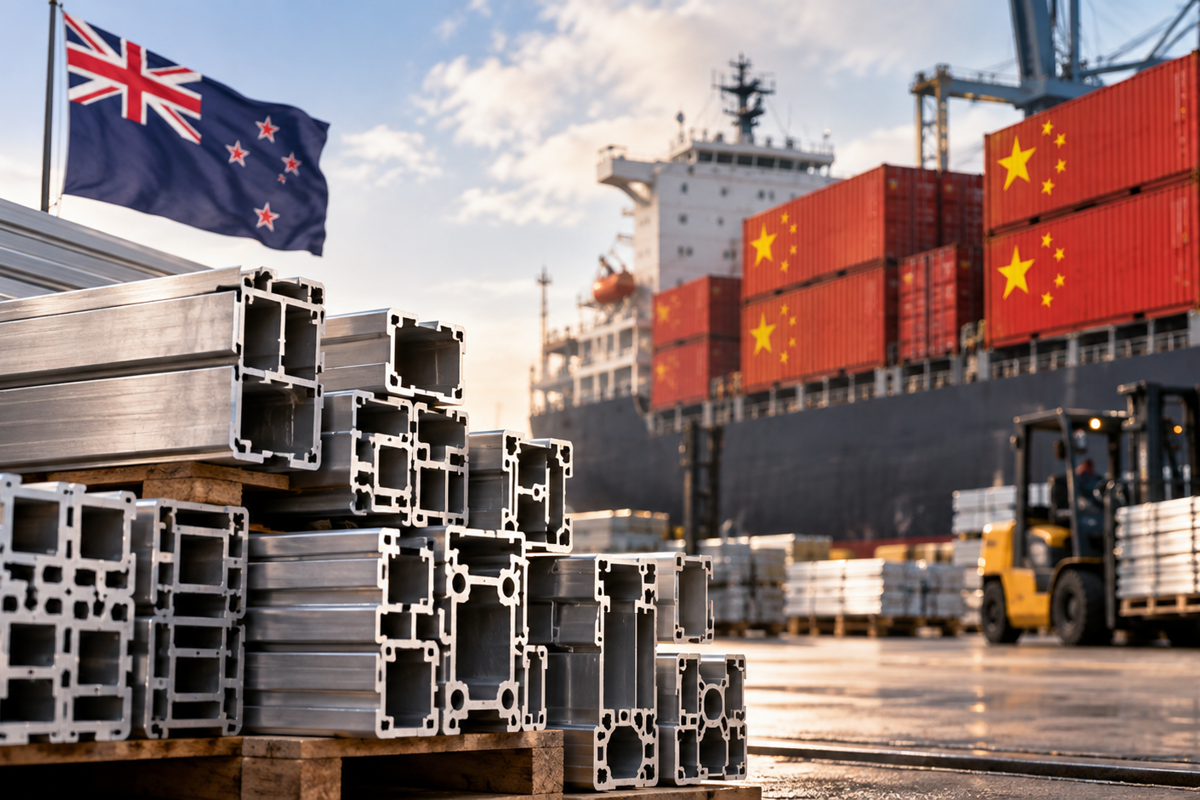
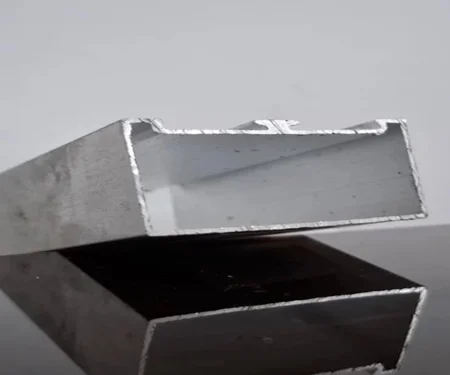
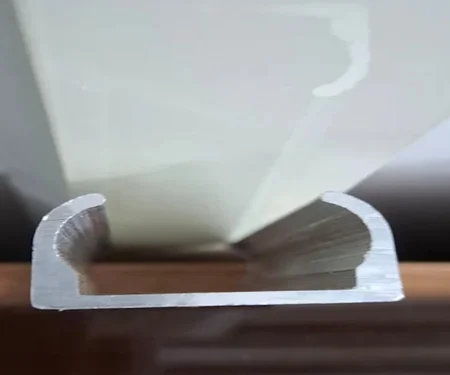
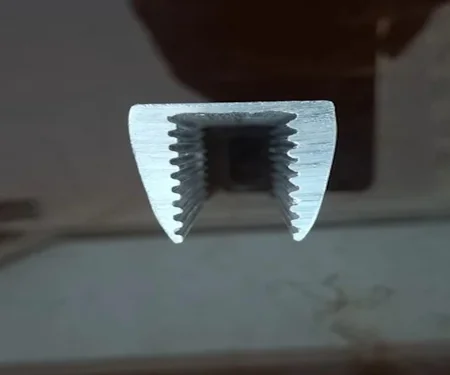
The image used in this article is generated with an AI tool and does not depict any real-time moment.
New Zealand's Government has rejected calls for safeguard measures on aluminium extrusion imports, despite an official investigation finding that domestic manufacturers have suffered serious injury. The decision, accepted by Commerce and Consumer Affairs Minister Cameron Brewer on October 5, has prompted warnings from the Aluminium Extruders Association of NZ (ALENZ) that continued pressure could put local plants and thousands of jobs at risk.
The Ministry of Business, Innovation and Employment (MBIE) concluded that imports contributed to the industry's difficulties but were not the sole or primary cause of the injury. It recommended against imposing safeguards, citing the contraction in domestic demand, rising production costs and the potential for higher prices for downstream manufacturers and consumers.
The decision followed an application by ALENZ for a tariff to slow imports, predominantly from China, which the association said were being sold at prices that undercut local producers. The application, lodged in January, was the first investigation under New Zealand's Trade (Safeguard Measures) Act 2014.
Aluminium extrusion market contracts
MBIE's final report put New Zealand's domestic aluminium extrusion market at 16.4 million kg in 2025, down 29.8 per cent from 23.4 million kg in 2022. Domestic production for the local market fell 32.4 per cent over the same period, from 15 million kg to 10.1 million kg.
Imports also declined, falling 25 per cent from 8.4 million kg in 2022 to 6.3 million kg in 2025. MBIE said its figures were based on Customs data that had been reviewed to remove goods outside the scope of the investigation, and noted that they differed from figures published by ALENZ.
The ministry found that domestic output, sales, profitability, employment and capacity utilisation had all declined. However, it identified several factors behind the deterioration rather than attributing it primarily to imports.
Weaker construction activity and broader economic conditions had reduced demand, while exports of aluminium extrusions fell from 3.3 million kg in 2022 to 1.5 million kg in 2025. MBIE said the export decline likely reduced factory throughput and efficiency. It estimated that local producers would have manufactured an additional 4.3 million kg in 2025 had the domestic market remained at its 2022 size, describing this as an illustrative estimate.
Rising input costs added to the pressure. According to MBIE, landed aluminium billet prices increased from approximately NZD 4-4.60 per kg during 2022-2024 to more than NZD 7 per kg by mid-2026. The report also noted that some industry costs had increased faster than inflation, although overseas producers faced some of the same raw-material price pressures.
To know the global production, demand and consumption forecasts of aluminium extrusions, explore our report "The World of Aluminium Extrusions to 2035"
Import growth in 2026 remains under scrutiny
Although imports declined between 2022 and 2025, they increased during the first seven months of 2026. Import volumes from January to July were 34 per cent higher than in the corresponding period a year earlier. However, this followed a 22 per cent decline in 2025 and left imports approximately 5 per cent above their 2024 level.
MBIE said it was too early to determine whether the increase in 2026 would develop into a sustained trend. It did not consider the rise significant across the full investigation period.
The ministry also examined changes in international trade policy, including US tariffs, trade remedies in other markets and a Canadian surtax on Chinese aluminium. While it accepted that some developments were probably unforeseen when New Zealand made its trade commitments, it found no demonstrated link between them and New Zealand's imports.
MBIE considered the increase in imports during 2026 more likely to be associated with the Building Amendment Act 2025, which lowered barriers to overseas building products. It described increased imports following the legislation as an intended policy outcome.
ALENZ has argued that Chinese imports are undercutting domestic prices by up to 35 per cent and that local production has fallen by more than 40 per cent. It has also claimed that profit per kilogram has declined by as much as 100 per cent. However, MBIE's public report redacts the industry's profit and pricing data, preventing independent verification of those figures from the report.
Government cites downstream costs and trade considerations
In recommending against safeguards, MBIE acknowledged that a measure lasting up to four years could provide short-term assistance to domestic manufacturers. However, it warned that the resulting price increases could affect downstream businesses and consumers.
The ministry also highlighted concerns from downstream users who purchase extrusions from local manufacturers that compete with them in other product markets, including doors. It said a safeguard could strengthen integrated businesses at the expense of independent competitors.
MBIE assessed the aluminium extrusion industry's strategic and regional importance as moderate. It also considered the implications for New Zealand as an export-oriented economy, noting that China had imposed a three-year safeguard on beef from January and that the United States opened a safeguard investigation into lamb in July.
The report warned that another safeguard could contribute to the normalisation of such measures internationally, potentially disadvantaging smaller export-oriented economies. This consideration weighed moderately against imposing a measure, although MBIE said the concerns did not, by themselves, establish that safeguards should not be introduced.
Brewer said the investigation had identified genuine challenges for the industry and acknowledged that imports had contributed to the pressure. However, he said weaker construction activity and rising costs were also significant factors.
He emphasised that the investigation concerned safeguards rather than anti-dumping measures. The inquiry did not determine whether imports were being sold below cost or unfairly subsidised, and the industry could apply for a separate investigation into anti-dumping or countervailing duties. Brewer said MBIE would work constructively with the sector on its options.
Industry warns of permanent job losses
ALENZ criticised the decision, with chair Nick Collins warning that it could put thousands of jobs at risk, including more than 1,000 manufacturing jobs in Hamilton, New Plymouth and Wellington. The association said plants that close may not reopen and argued that waiting for a sustained import trend to become evident could leave manufacturers with too little time to respond.
Collins described the decision as a serious setback for an industry seeking temporary trade protection rather than ongoing government support. ALENZ has also called for the decision to be revisited after New Zealand's November 7 election, arguing that delays could increase the risk of permanent plant closures.
The association is reviewing the outcome and consulting members on its next steps. A separate anti-dumping or countervailing duties investigation remains a possible route, although it would involve a different legal test from the safeguard inquiry.
NZ First leader Winston Peters also criticised the decision, calling it a backward step and raising concerns about supply chains and domestic manufacturing capability. He argued that the decision should not have been made during the election restraint period.
The immediate outcome leaves New Zealand's aluminium extrusion industry without the safeguard measures it sought. While MBIE concluded that the evidence did not justify intervention under the safeguard framework, the industry continues to warn that declining domestic production, higher costs and renewed import growth could place further pressure on local manufacturing.
Explore downstream aluminium products from our comprehensive list on AL Biz.
Grow with
AL Circle