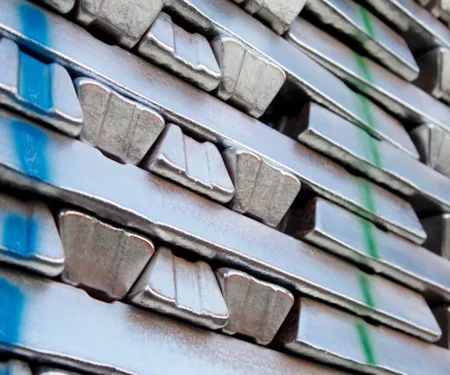
India probes aluminium dumping by China, Malaysia, Vietnam, Thailand; Vedanta, Hindalco shares eyed
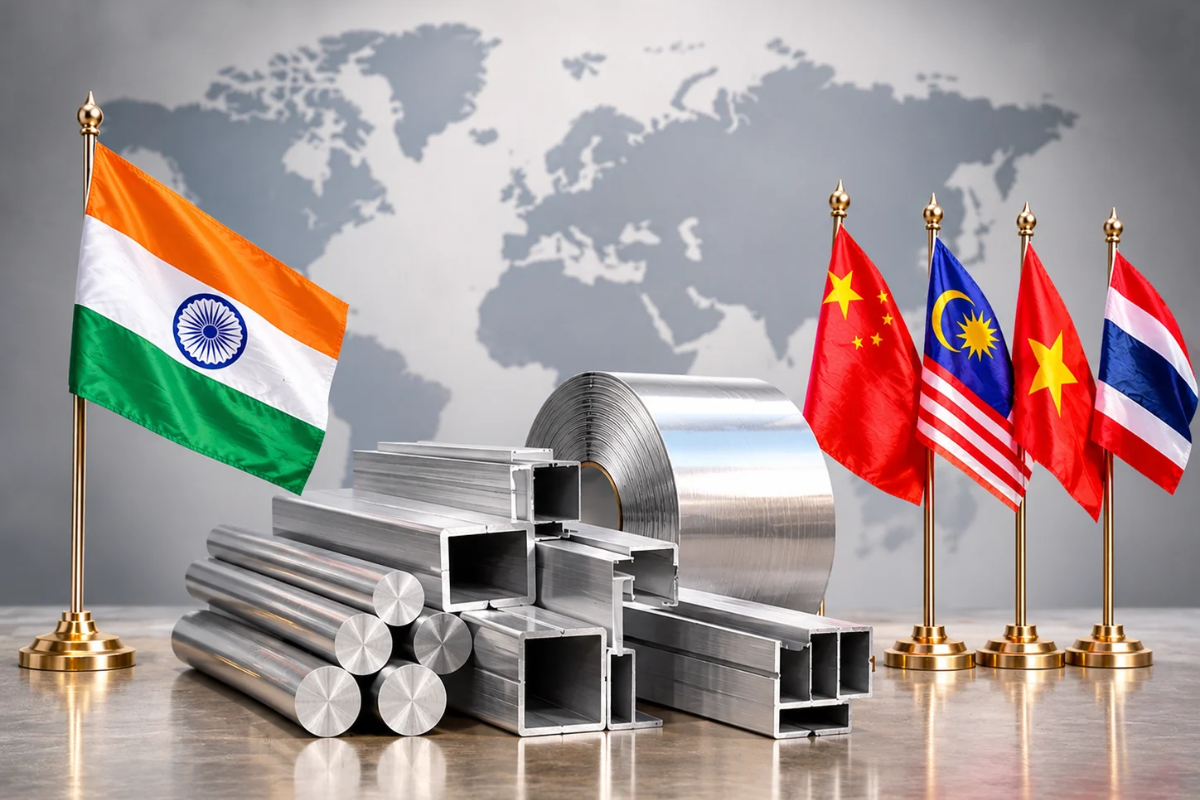
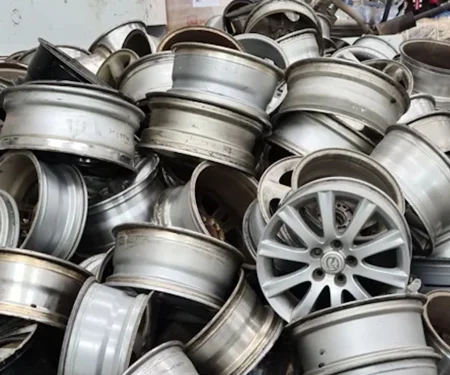
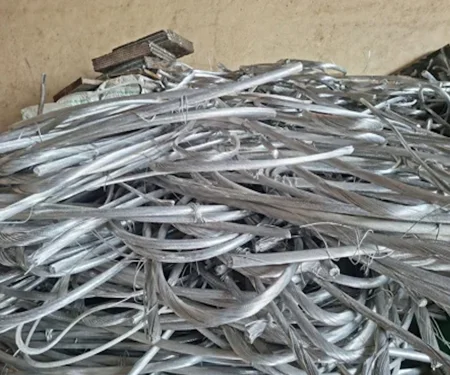
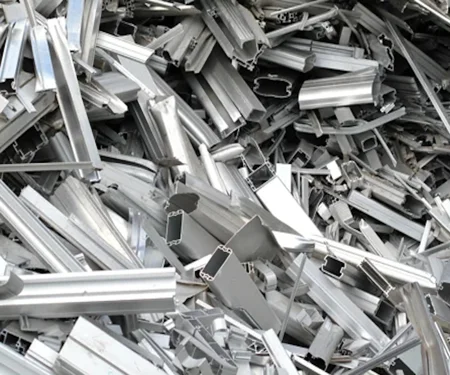
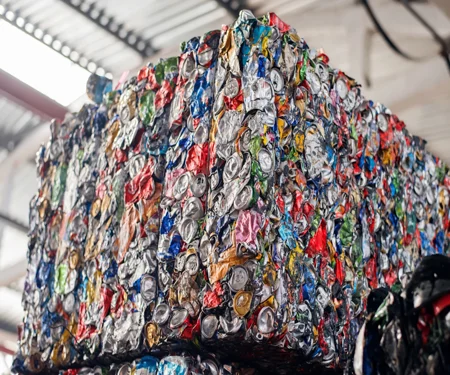
The image used in this article is generated with an AI tool and does not depict any real-time moment
India has initiated an anti-dumping (AD) investigation into aluminium imports from China, Malaysia, Vietnam and Thailand, bringing overseas supply and domestic manufacturing competitiveness under the lens. Launched by the Directorate General of Trade Remedies (DGTR) under Rule 5(4), the probe could have implications for around 228 Indian aluminium manufacturers, as nine domestic producers seek protection from allegedly cheaper imports.
The development is expected to keep shares of Hindalco Industries, Bharat Aluminium, National Aluminium and Vedanta in focus during Thursday’s trading session.
Aluminium demand in India spans several sectors. Power, packaging, transportation, construction, machinery and equipment are to name some.
Ministry of Mines data show that the electricity sector accounts for the largest share of domestic aluminium consumption at 48 per cent, followed by automobiles and transport at 15 per cent, construction at 13 per cent, consumer durables and machinery and equipment at 7 per cent each, packaging at 4 per cent and other sectors at 6 per cent.
To know the global production, demand and consumption forecasts of aluminium extrusions, explore our report "The World of Aluminium Extrusions to 2035"
In the power sector, aluminium is used in overhead conductors and power cables for electricity generation, transmission and distribution, as well as in switchboards, coil windings and capacitors.
Despite its expanding applications, India’s per capita aluminium consumption remains below the global average. The Technology Vision Document 2035 puts consumption at 2.2 kilogrammes per person in India, against 8 kilogrammes (approx.) globally and 22–25 kilogrammes in developed countries.
ALEMAI and nine domestic manufacturers seek AD duties
Nine Indian manufacturers have requested the imposition of anti-dumping (AD) duties on aluminium products imported from the four countries. As per preliminary findings, imports from all four origins were dumped at margins exceeding the de minimis level. These countries, as an aggregate, account for around 90 per cent of India’s imports of the products under investigation.
The products covered in this segment include aluminium extrusion profiles and structures used across construction, infrastructure and manufacturing. Applications range from doors and windows, exterior cladding and balustrading to solar mounting systems, heat sinks and furniture.
Looking for aluminium extrusion equipment providers? Browse through a comprehensive list on AL Biz.
The Aluminium Extrusion Manufacturers Association of India (ALEMAI), which represents 228 aluminium manufacturers, has voiced its concerns over the potential impact of low-priced imports on domestic producers and called for measures to safeguard the industry.
The probe will examine whether the imported aluminium products are being dumped in India and whether such imports are causing injury to the domestic industry.
India’s aluminium demand outlook remains strong
Meanwhile, India’s long-term aluminium demand outlook points to substantial growth. According to NITI Aayog’s report, Aluminium Sector Decarbonisation, domestic demand is expected to grow by around 4.4 per cent annually, significantly faster than the global rate of approximately 1.5 per cent.
India’s aluminium demand is projected to increase from 4 million tonnes in 2023 to 37 million tonnes by 2070. Rapid population growth, large-scale urbanisation and rising per capita consumption are expected to drive this expansion. The report also notes that around 70 per cent of the urban infrastructure India will need by 2047 is yet to be developed.
Read our latest magazine “ALuminium’s Frontline: OEM Edition 2026” and learn how OEMs are transforming critical aluminium applications across end-use sectors.
Grow with
AL Circle












_md.webp)
_md.webp)
_md.webp)