Aluminium ‘metal’ definition clarification: Why Indian Supreme Court’s 1981 ruling still stands strong

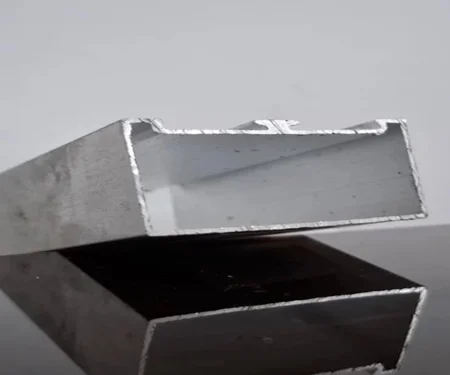
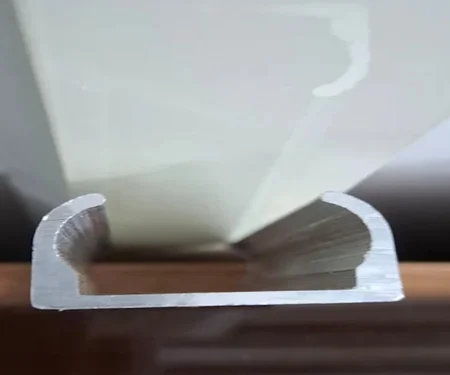
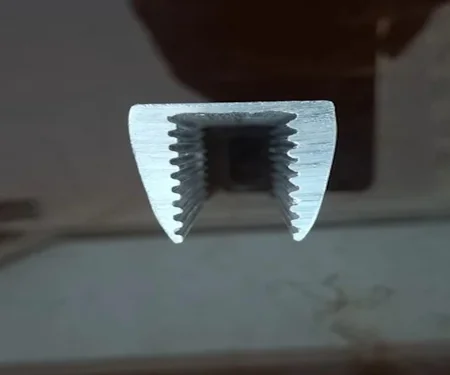
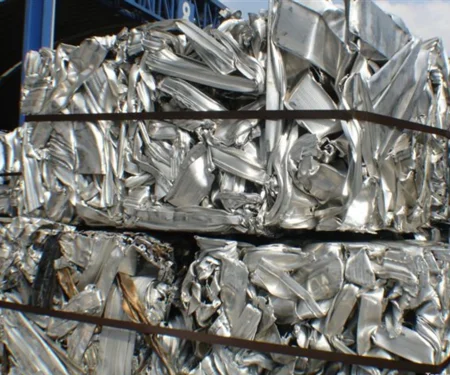
Stock image for referential purposes only
In the course of the aluminium trade, a metal and a product made from that metal may share the same material, but they do not necessarily share the same commercial identity. Over four decades ago, the Supreme Court of India drew this distinction in a ruling that continues to offer an interesting perspective on the aluminium value chain today.
India’s tax framework has since moved from the earlier state-level sales tax regime to the Goods and Services Tax (GST). Yet, the underlying question raised by the 1981 verdict remains relevant to an industry where primary aluminium, flat-rolled products and extrusions serve different markets and applications.
The judgment offers a historical lens through which to understand how aluminium ingots and billets came to be distinguished, for the purposes of the dispute, from the rolled and extruded products manufactured from them.
Here is a recapitulation of how a verdict passed more than forty years ago still holds relevance in the aluminium industry, shapes it, and echoes the essence and policies of other countries as well.
To know the global production, demand and consumption forecasts of aluminium extrusions, explore our report “The World of Aluminium Extrusions to 2035”
Retracing the historical testament
The matter came into the spotlight when Hindustan Aluminium Corporation Limited raised doubts about the Uttar Pradesh Sales Tax Act, 1948. It argued that these products, manufactured from aluminium ingots and billets, should receive the same lower tax treatment as the primary metal. The case met with a line of distinction drawn by the Court between aluminium in its primary marketable form and products that had undergone further processing to emerge as separate commercial commodities.
The Supreme Court of India dismissed Hindustan Aluminium Corporation Limited’s appeal regarding the separate sales tax classification of aluminium rolled products and extrusions under the Uttar Pradesh Sales Tax Act, 1948. The Court upheld the distinction between primary aluminium forms, such as ingots and billets, and fabricated products, ruling that the latter constituted separate commercial commodities under the relevant tax notifications.
The decision affirmed the assessment under which aluminium ingots attracted lower tax rates, while rolled products and extrusions were taxed at 7 per cent as unclassified items.
Why aluminium products faced different tax rates
The conflict centred on notifications issued by the Uttar Pradesh government under Section 3A of the Uttar Pradesh Sales Tax Act, 1948. The December 1, 1973 notification prescribed a 3.5 per cent tax rate for the specified category, while a May 30, 1975 notification set a 2 per cent rate for metals and alloys not covered by other notifications. The latter was subsequently amended retrospectively on August 14, 1975.
Hindustan Aluminium argued that its rolled products and extrusions should receive the same lower tax treatment as aluminium ingots and billets because they were simply marketable forms of the same metal.
However, following a circular issued by the Commissioner of Sales Tax on October 15, 1975, the Sales Tax Officer applied the lower rates only to aluminium ingots and classified the remaining products as unclassified items subject to 7 per cent tax. The Allahabad High Court upheld this approach on November 17, 1976, prompting the company to appeal to the Supreme Court.
Looking for aluminium flat rolled products? Browse through a comprehensive list here at AL Biz
Court distinguishes primary metal from fabricated products
The Supreme Court held that the term “metal” in the relevant notifications referred to the commodity in its primary, original saleable form. Products created through subsequent processing and sold as distinct commercial items fell outside that classification.
The judgment stated, “The expression ‘metal’ has been generally employed to refer to the metal in its primary sense. The reference is to the metal in the form in which it is marketable as a primary commodity.”
The Court further explained that “subsequent forms evolved from the primary form and constituting distinct commodities marketable as such must be regarded as new commercial commodities.”
It rejected the argument that the term “including” in the 1975 notification automatically extended the definition of metal to fabricated forms. The Court said that the notifications had to be interpreted according to their overall structure and the distinction they drew between primary metals and separately manufactured products.
The bench also relied on earlier judgments, including Devi Dass Gopal Krishnan v. State of Punjab, concerning the emergence of a new marketable commodity through processing. It distinguished other cases involving products that retained their essential identity or were covered by differently worded statutory provisions.
Read our latest magazine “ALuminium’s Frontline: OEM Edition 2026” and learn how OEMs are transforming critical aluminium applications across end-use sectors.
Appeal dismissed
Concluding that aluminium rolled products and extrusions were distinct commercial items from the ingots and billets used to manufacture them, the Supreme Court dismissed the appeals with costs. The decision upheld the Allahabad High Court’s ruling and the Sales Tax Officer’s assessment.
The judgment, delivered by Justice R.S. Pathak, with Justice V.D. Tulzapurkar on the bench, was dated July 28, 1981. It is reported as Hindustan Aluminium Corporation Ltd. v. State of Uttar Pradesh, 1981 AIR 1649; 1981 SCC (3) 578.
The ruling established the distinction relevant to this conflict that, for sales tax classification under the notifications, aluminium in its primary form was not automatically treated the same as aluminium rolled products and aluminium extrusions manufactured from it.
Grow with
AL Circle