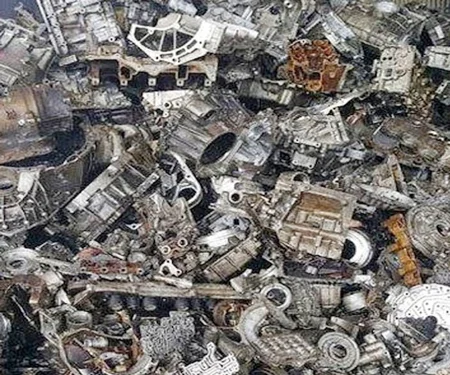
AL Circle Analysis: How are scrap, CBAM, EVs, energy rewiring the aluminium industry?
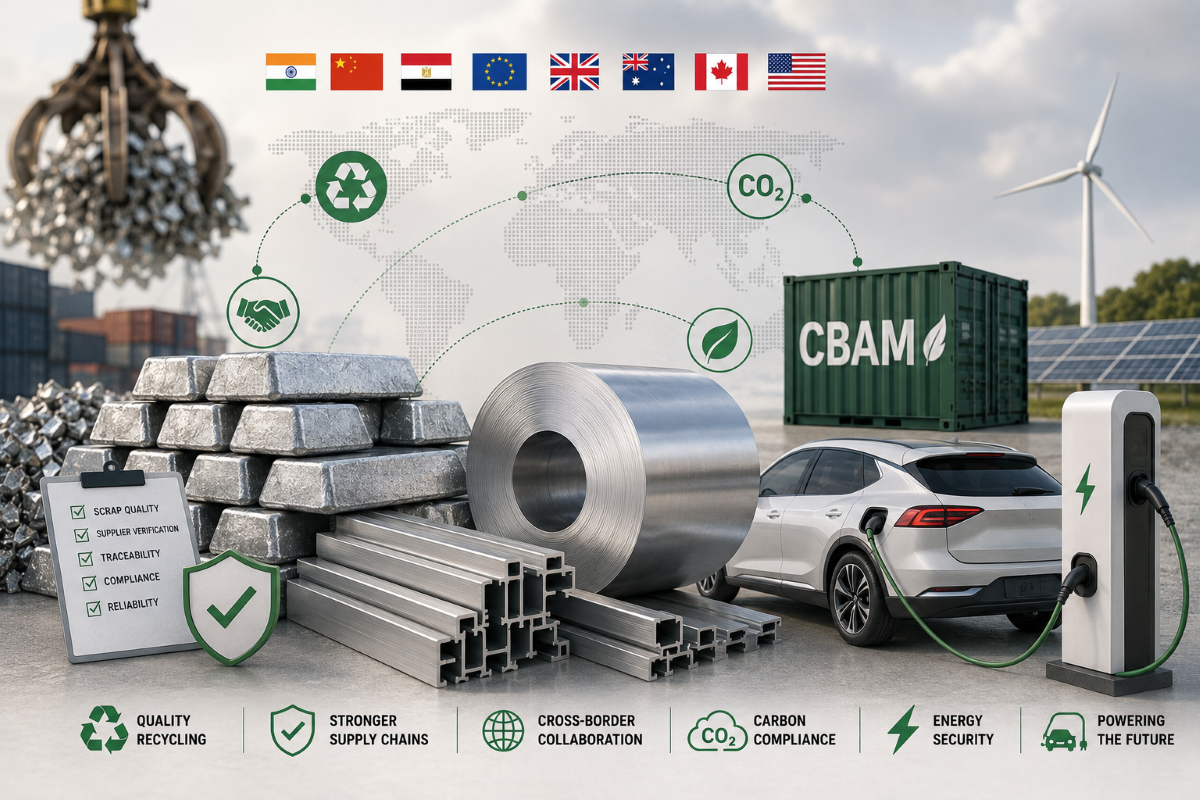
The image used in this article is generated with an AI tool and does not depict any real-time moment
The aluminium industry stands at a juncture material quality, recycling capacity, cross-border cooperation, carbon compliance and energy security are falling into a network of interconnectivity. The aluminium supply chain is evolving from simply securing enough metal to securing the right quality, the right carbon profile, the right technology and the right energy at the right cost. For businesses, this means supply-chain decisions are increasingly becoming strategic rather than purely transactional.
From secondary aluminium trust to a recycling ecosystem
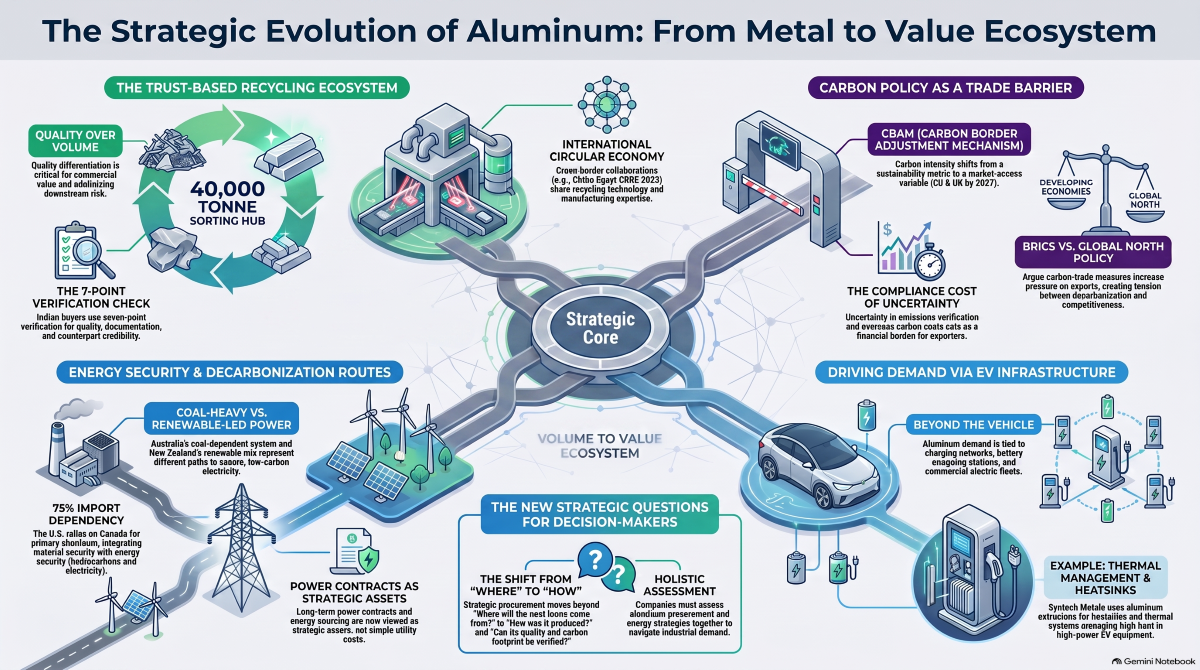
India’s secondary aluminium market is expanding, but buyers need stronger checks before committing to suppliers, as trust has to accompany volume. As Indian buyers increase their participation in secondary aluminium, supplier verification becomes critical. Seven verification points have been recommended to assess Quality, documentation, counterpart credibility and transaction reliability. They can determine whether a lower-carbon material actually delivers commercial value or becomes a source of downstream risk.
Join the webinar by Alberto Monje Gama to learn about recycled aluminium, CBAM and trust
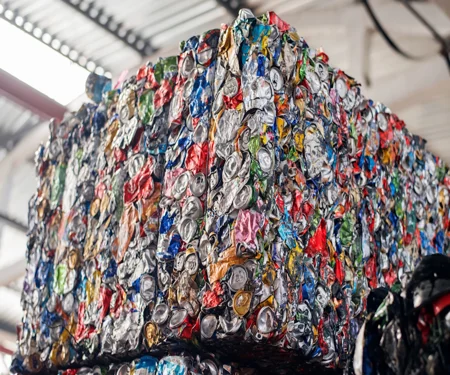
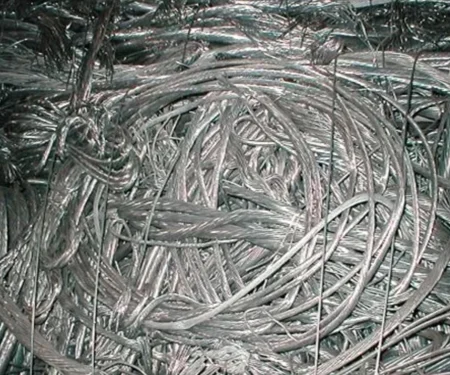
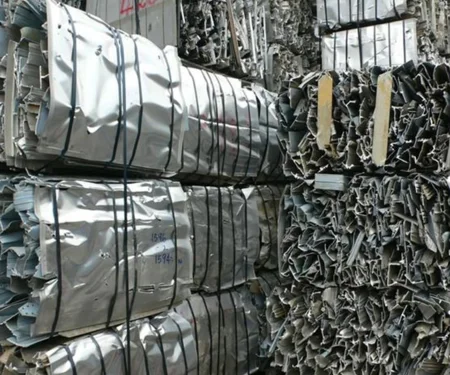
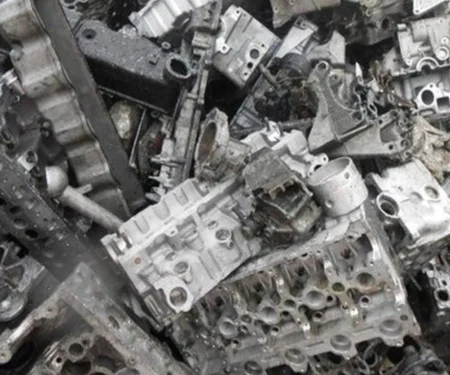
But supplier verification is only one side of the equation. The grade of aluminium scrap itself matters when buying secondary aluminium in India. This makes the purchasing decision more nuanced than simply comparing prices. A competitive offer has little value if the underlying scrap grade does not match the buyer’s required application or quality expectations. For India’s secondary aluminium market, clearer understanding of scrap grades can therefore support better sourcing decisions, production and stronger buyer-supplier relationships.
That need for quality is mirrored by Trimet’s investment in a 40,000 tonne-per-annum scrap sorting and processing hub. Advanced sorting and laser-based analysis can help separate material according to metallurgical characteristics, supporting more consistent alloy production and improving raw-material security.
At the same time, recycling is becoming increasingly international. The China-Egypt collaboration around CRRE 2026 will promote technology development and business matching. An Egyptian industry executives will explore recycling technologies and manufacturing partnerships in China, supporting broader cross-border circular-economy collaboration. This shows how technology providers, recyclers and industrial decision-makers are looking beyond domestic markets for equipment, expertise and partnerships.
Takeaways for recyclers
- Quality differentiation will matter more than scrap volume alone.
- Advanced sorting can improve alloy recovery and strengthen supply reliability.
- Technology partnerships can accelerate recycling capacity without requiring every market to develop expertise independently.
Takeaways for scrap traders
- Understanding the grade and suitability of the scrap behind the finished secondary aluminium.
- Supplier verification and material traceability are becoming commercial necessities.
- Consistent specifications can be as important as competitive pricing.
- Cross-border technology and business networks are opening new routes for recycling trade.
To explore trade opportunities of secondary aluminium, visit AL Biz
Carbon rules and energy at the focal point
The next stage of the story moves from physical material flows to the carbon embedded in aluminium.
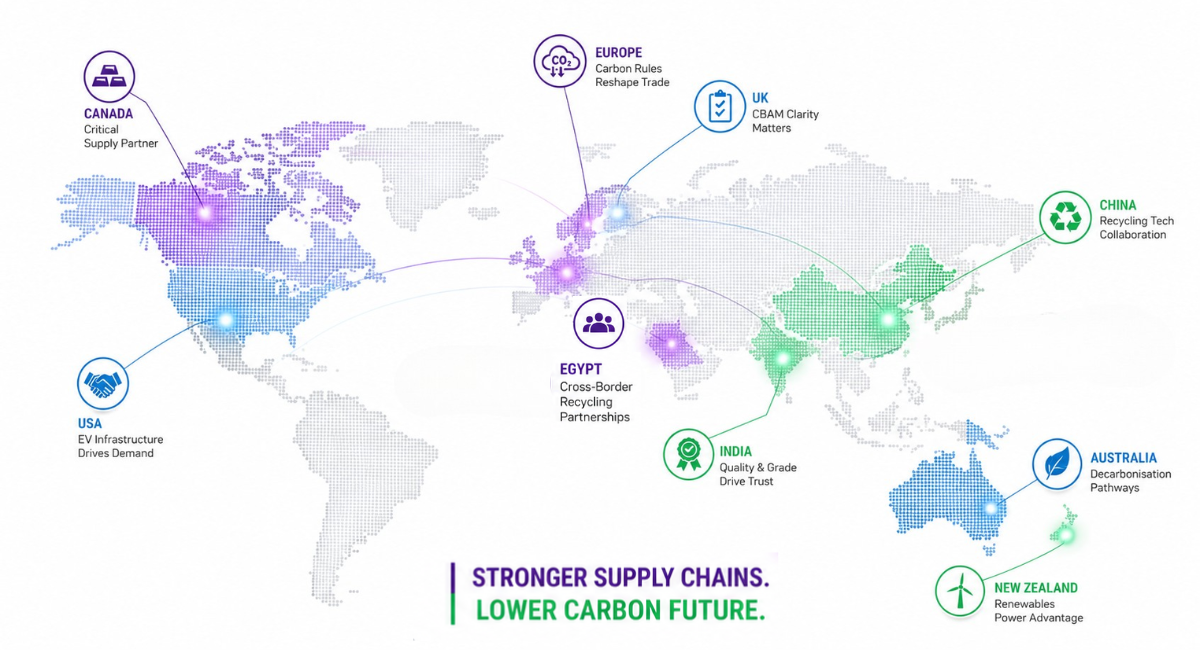
BRICS has the European Union’s Carbon Border Adjustment Mechanism (CBAM), arguing that carbon-related trade measures could increase pressure on developing economies exporting aluminium and other carbon-intensive products. The debate highlights the growing overlap between decarbonisation, climate finance, competitiveness and international aluminium trade. The move demonstrates how carbon policy is increasingly becoming a trade issue and aluminium producers face greater emphasis on emissions and compliance.
The UK is approaching the same challenge from a different direction. With its CBAM scheduled for January 2027, ALFED is pressing for clarity on emissions values, verification, overseas carbon costs and technical requirements. For aluminium companies, uncertainty itself can become a cost because contracts, pricing models and supply-chain systems need to be prepared before the rules take effect.
Energy sits underneath this entire transition. Australia’s coal-heavy electricity system, compared with New Zealand’s more renewable-led power mix, highlights different routes to aluminium decarbonisation. For aluminium producers, electricity availability, cost and carbon intensity remain critical. The comparative sketch highlights two different approaches to powering aluminium production, but the business question is similar: how can smelters secure electricity that is simultaneously reliable, competitive and progressively lower-carbon?
This also brings recycling back into the picture. Greater use of secondary aluminium can reduce dependence on primary production while helping companies manage carbon exposure. But that advantage depends on reliable scrap supply and sufficient processing capability.
Takeaways for aluminium producers
- Carbon intensity is becoming a market-access variable, not just a sustainability metric.
- Long-term power contracts and electricity sourcing strategies are increasingly strategic assets.
- Recycling can support both emissions management and raw-material security.
Takeaways for exporters
- Building reliable emissions data into commercial planning.
- Preparing for verification and documentation requirements well ahead of CBAM deadlines.
- Carbon competitiveness could increasingly influence customer and market selection.
How EV infrastructure shapes aluminium’s strategic role
The final developments show why aluminium demand cannot be viewed in isolation from the energy transition.
India’s proposed priority lending framework for EVs, charging networks, battery swapping and commercial electric fleets could channel more formal finance into the infrastructure required for electrification. While the proposal is still subject to government and RBI approval, it signals that financing is increasingly being directed towards the wider EV ecosystem rather than vehicle purchases alone.
That matters for aluminium because electrification creates demand across power infrastructure, lightweight components and thermal-management systems.
Syntech Metals’ move into North American EV charging illustrates this shift at the component level. Aluminium extrusion is being used for heatsinks and thermal-management systems designed to handle the increasing heat loads of high-power charging equipment.
The US aluminium industry’s dependence on Canada extends beyond metal imports into the wider energy relationship. Canada supplies around 75 per cent of US primary aluminium imports while also providing hydrocarbons and electricity. As US aluminium production, data-centre demand and industrial power needs rise, the connection between aluminium security and energy security becomes harder to separate. Weakening this relationship could expose vulnerabilities across both material and energy supply chains.
The broader lesson is that aluminium is increasingly embedded in the infrastructure driving electrification, from charging equipment and electrical systems to cooling and power distribution. At the same time, producing that aluminium requires dependable energy.
Showcase your brand, aluminium recycling initiatives and sustainability vision in our upcoming magazine: Sustainability & Recycling: Aluminium’s Commitment 2026.
Takeaways for decision-makers
- Aluminium demand is increasingly tied to electrification infrastructure, not just traditional end-use sectors.
- Energy and aluminium procurement strategies should be assessed together where supply chains are highly integrated.
- Trade policy can affect both the material entering a market and the energy relationships supporting industrial growth.
- Companies that secure low-carbon material, reliable power and resilient supply chains simultaneously will be better positioned for the next phase of aluminium demand.
The strategic question for aluminium businesses is therefore no longer simply where will the next tonne come from? It is increasingly how was that tonne produced, what is its carbon footprint, can its quality be verified, and how secure is the energy and supply chain behind it?

Why aluminium scrap grade matters when buying secondary aluminium in India
Next articleAdvanced sorting could unlock $2.3 billion in US aluminium scrap value: WBCSD
Grow with
AL Circle