Advanced sorting could unlock $2.3 billion in US aluminium scrap value: WBCSD
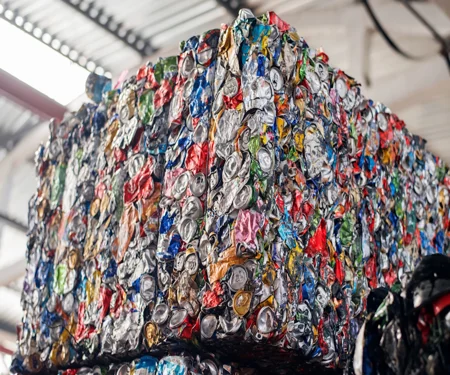
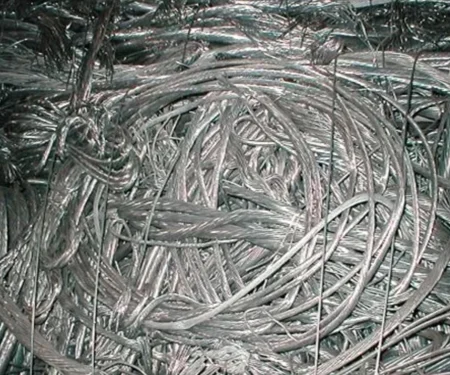
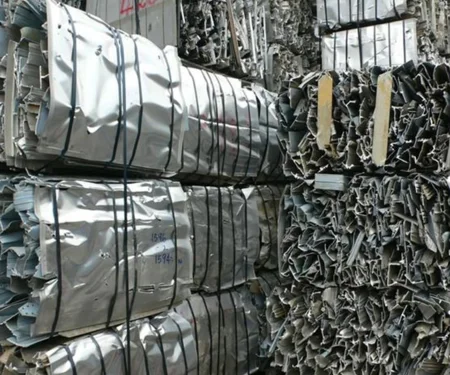
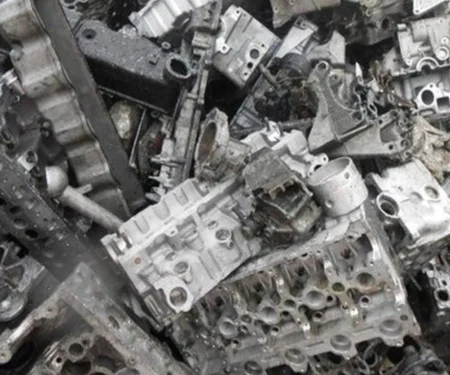
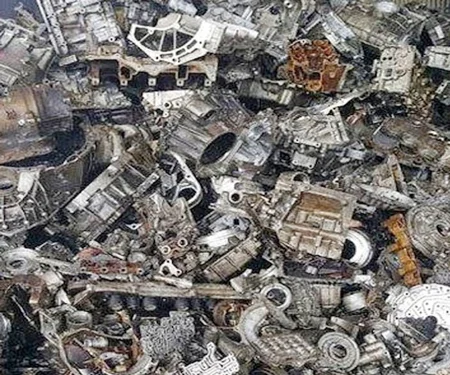
Stock image for referential purposes only
Advanced sorting technologies could help the US unlock up to USD 2.3 billion in annual domestic aluminium processing value by upgrading mixed scrap that is currently exported or downcycled, according to a new initiative by the World Business Council for Sustainable Development (WBCSD).
The North America Aluminum Initiative, launched by WBCSD’s Critical Materials Collective, examined how technologies such as X-Ray Transmission (XRT) and Laser-Induced Breakdown Spectroscopy (LIBS) could separate mixed aluminium scrap into alloy-specific streams. The initiative also assessed whether complementary demand from different industries could support investment in advanced sorting infrastructure.
The opportunity is significant because around 2 million tonnes of US aluminium scrap are exported annually, much of it in the form of mixed Zorba. According to the initiative, approximately 71% of recovered US aluminium scrap, excluding 3xxx-series material, remains mixed and is downcycled, limiting its use in higher-performance applications such as automotive, electronics and engineering alloys.
WBCSD estimates that domestic processing of around 1.6 million tonnes of Asia-bound Zorba could generate USD 1.9-2.3 billion in incremental annual processing value. The analysis indicates that this would require around 35 advanced sorting facilities, each processing approximately 45,000 tonnes per year, with total capital investment estimated at about USD 150 million.
Advanced sorting targets alloy-level recovery
The initiative assessed two potential recycling configurations.
The first involved a vertically integrated recycler processing Zorba generated from automotive shredding and other mixed-metal waste. The proposed process would remove heavy metals, separate cast and wrought aluminium and then use LIBS to identify the chemistry of individual wrought aluminium pieces. Air-jet separation could then produce dedicated streams, including 6063 and broader 6xxx-series fractions.
The second configuration focused on recyclers processing Twitch, an aluminium-rich fraction generated from existing recycling operations or sourced from the spot market. Here, alloy identification would be followed by XRT-based separation of the wrought fraction, creating differentiated streams such as 6063, 3x shred and potential future 6xxx-series fractions.
WBCSD said both configurations demonstrated the technical potential to produce alloy-specific secondary aluminium from mixed scrap. However, the findings are based on technical-economic modelling and do not represent confirmed commercial deployments or guaranteed recycler margins.
Join the fourth edition of webinar "Hedging for recyclers - Become an expert in 6 hours" by Jorge Dyszel.
Demand across industries could strengthen the model
The initiative also examined the role of what it calls “curated complementary demand”—bringing together independently expressed requirements from manufacturers across different industries and alloy families.
Participating companies included Apple, Trane Technologies and Volvo Cars, alongside companies from the industrial, technology and packaging sectors. Their demand profiles were used to construct an illustrative scenario spanning electronics, automotive, engineering, industrial and packaging applications.
The objective was not to establish a committed pool of buyers, but to determine whether demand across multiple alloy families could provide stronger market signals for recyclers investing in sorting infrastructure.
WBCSD said the modelling suggests that the economics of advanced sorting can improve when multiple recovered material streams, including heavy metals, mixed cast aluminium and segregated wrought alloys, can be placed in viable markets.
Retaining more value within the US
The initiative argues that the current export model results in more than the loss of recovered material. It also shifts the economic value associated with sorting, alloy segregation and remelting to overseas markets.
Domestic processing could therefore create additional value while strengthening the US aluminium recycling supply chain. WBCSD estimates that processing approximately 1.6 million tonnes of Asia-bound Zorba domestically could also create an estimated 4.5 million tonnes of CO₂-equivalent annual emissions-reduction opportunity, based on the assumptions used in its analysis.
The organisation identified four requirements for scaling the opportunity: investment in advanced sorting infrastructure, reliable access to suitable scrap, demand for the full range of recovered material streams, and stronger coordination among recyclers, equipment providers, remelters and manufacturers.
WBCSD said the initiative provides a framework rather than a completed commercial blueprint. Further validation of site-level economics, product qualification, contracting structures, feedstock availability and downstream demand will be required before individual projects can be deployed.
The organisation also suggested that the approach could be explored in other regions and material systems where mixed scrap, fragmented markets and limited processing capacity result in value leakage.
To explore trade opportunities of secondary aluminium, visit AL Biz
AL Circle Analysis: How are scrap, CBAM, EVs, energy rewiring the aluminium industry?
Next articleWeak domestic markets are holding back aluminium scrap sorting investments, WBCSD study finds
Grow with
AL Circle