BRICS challenges EU carbon tax as aluminium trade faces new pressure

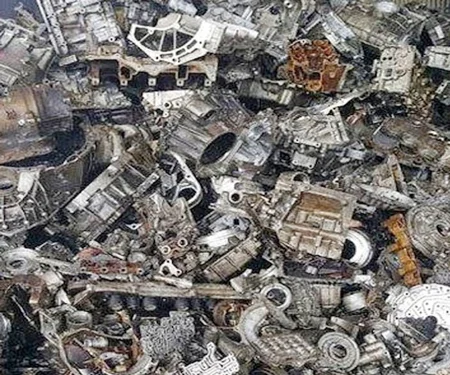
Stock image for referential purposes only
BRICS environment and climate ministers have opposed the European Union's Carbon Border Adjustment Mechanism (CBAM), arguing that the carbon levy could create additional trade pressure for developing economies exporting aluminium and other carbon-intensive products to Europe.
Environment and climate ministers from BRICS member countries have criticised the EU's Carbon Border Adjustment Mechanism (CBAM), describing it as a unilateral, punitive and discriminatory measure that could act as a trade barrier for developing economies.
The issue is particularly relevant to the aluminium industry, as aluminium is among the carbon-intensive products covered by the EU's carbon border mechanism, alongside steel, iron, fertilisers and cement.
The BRICS ministers raised their concerns during a meeting chaired by India in New Delhi, where representatives discussed climate policy, adaptation and the need for greater financial support for developing countries.
Trading aluminium across borders? Find out the exact cost you need to bear for the embedded carbon in the product by using this CBAM calculator
Aluminium trade faces new carbon cost
CBAM was introduced by the EU as a mechanism aimed at addressing the carbon emissions embedded in certain imported goods.
The system entered a reporting-only phase on October 1, 2023, before becoming fully effective on January 1, 2026. Importers are now required to purchase and surrender CBAM certificates linked to the carbon emissions embedded in covered goods entering the European market.
For aluminium producers and exporters in developing economies, the mechanism introduces an additional carbon-related requirement when accessing the EU market.
BRICS countries argue that this could place additional pressure on economies that are already dealing with the costs of climate adaptation and decarbonisation.
Join the webinar by Alberto Monje Gama to learn about recycled aluminium, CBAM and trust
BRICS calls CBAM a trade concern
In their joint statement, the BRICS environment and climate ministers expressed concern that measures such as CBAM could undermine developing countries' efforts to address the effects of climate change and strengthen their resilience.
The bloc described the EU mechanism as a “unilateral, punitive, discriminatory and protection measure” that it believes is not aligned with international law.
The criticism reflects a broader concern among developing economies that climate-related trade measures could create additional costs for their exporters without adequately accounting for differences in financial and technological capabilities between developed and developing countries.
For aluminium producers, the issue is particularly significant because carbon intensity is becoming an increasingly important factor in international trade alongside traditional considerations such as production costs, energy availability and market access.
To explore trade opportunities of secondary aluminium, visit AL Biz
Climate finance remains central to BRICS concerns
Alongside its opposition to CBAM, BRICS called on developed countries to urgently increase climate finance, particularly funding aimed at climate adaptation.
The bloc's position links the debate over carbon-related trade measures with the wider question of how developing economies can finance their transition towards more resilient and lower-carbon industries.
The meeting brought together environment and climate ministers and senior officials from Brazil, Russia, India, China, South Africa, the United Arab Emirates, Indonesia, Iran, Saudi Arabia, Egypt and Ethiopia.
For the aluminium industry, the debate highlights a growing intersection between decarbonisation and international trade. As carbon-related requirements become increasingly embedded in global trade rules, aluminium producers in developing economies could face greater pressure to demonstrate the emissions profile of their products while also navigating new costs and compliance requirements.
At the same time, BRICS' criticism shows that the implementation of climate-related trade measures remains contested, particularly among developing economies seeking greater access to climate finance and a more equitable transition.
Unlock key insights from industry experts on aluminium's applications in end-user with our magazine - Sustainability & Recycling: Aluminium's Dual Commitment
Chinese aluminium giant eyes $2b Egypt complex, targeting 3,000 jobs and clean-energy manufacturing
Next articleHydro locks in renewable power supply through 2040 with Statkraft to drive low-carbon aluminium growth in Norway
Grow with
AL Circle