Constellium may halt EU aluminium recycling expansion as scrap shortage deepens
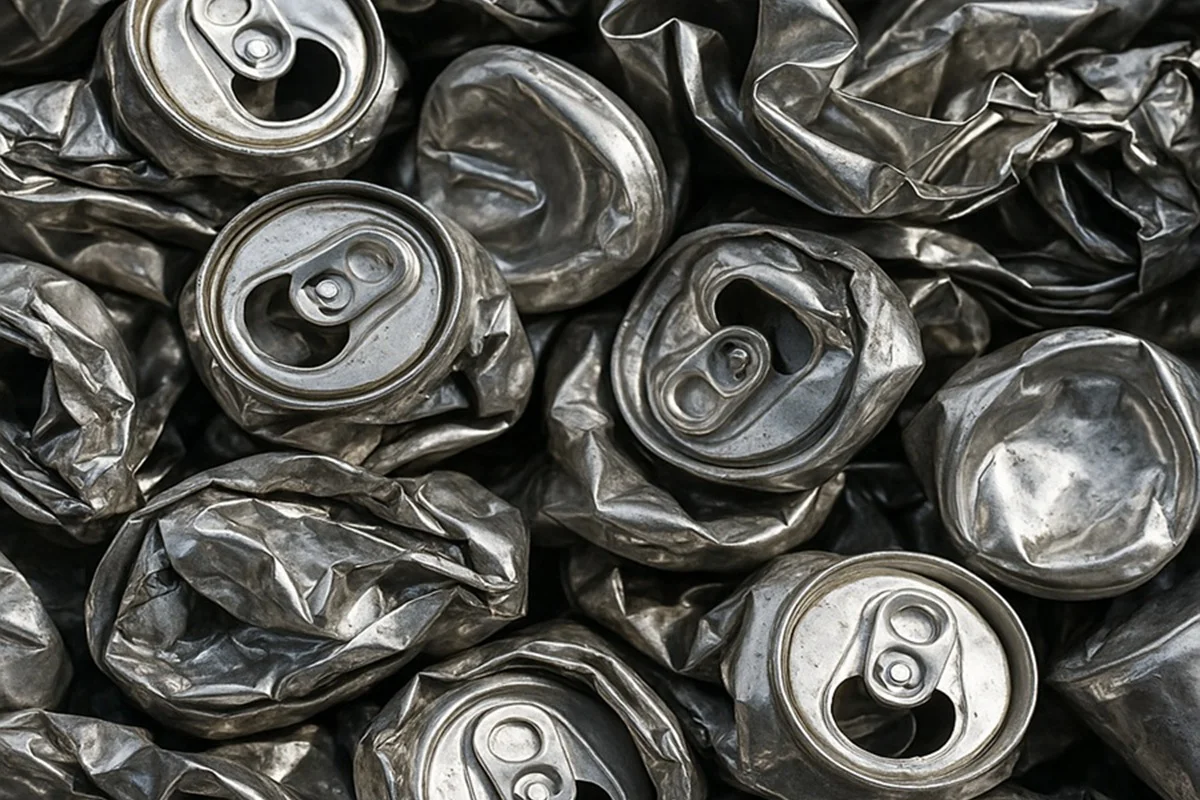
The image used in this article is generated with an AI tool and does not depict any real-time moment
Constellium’s plans to expand aluminium recycling in the European Union could be put on hold if the region fails to secure enough aluminium scrap, with exports to overseas markets contributing to a shortage of raw material for European producers.
The company is reviewing aluminium recycling projects across its packaging, automotive and aerospace divisions. CEO Ingrid Joerg told Reuters that the projects could be larger or smaller than the EUR 130 million (USD 148.82 million) recycling expansion at Constellium’s Neuf-Brisach plant in France.
“We have several recycling projects in the pipeline that we are investigating. But if there’s no scrap, they’re not going to happen,” Joerg said.
EU aluminium scrap policy under scrutiny
The availability of aluminium scrap has become a key concern for Constellium as the European Union considers measures to limit scrap exports to overseas markets.
The European Commission dropped plans this month to impose an export duty on aluminium scrap, which the industry said was necessary to keep low-cost raw material within Europe. The EU executive is now proposing to limit scrap outflows through waste shipment regulations.
To know more about the European recycling trends and forecast, explore our report: World Recycled ALuminium Market Analysis Industry forecast to 2032.
Constellium and other European aluminium producers doubt the waste shipment approach will work because many non-OECD countries are seeking exemptions, Joerg said.
Constellium recycles some of its production internally but also depends on external aluminium scrap supplies.
The scrap shortage is one of several challenges facing the EU aluminium industry, which is also dealing with the bloc’s carbon border-tax scheme and rising energy costs.
Joerg said Constellium welcomed changes to the carbon border levy approved by the European Parliament last week, but called for swift final adoption to close loopholes.
The border levy is expected to increase European aluminium premiums, adding to global inflationary pressures linked to energy costs, tariffs and disruptions in the Middle East, she said.
To explore trade opportunities of secondary aluminium, visit AL Biz
Metlen invests €25m to expand recycled aluminium capacity in Greece
Next articleAugust aluminium scrap imports recover M-o-M; multiple constraints suppress a sharp import rebound
Grow with
AL Circle