US aluminum landfill loss can become domestic supply opportunity, says waste intelligence firm
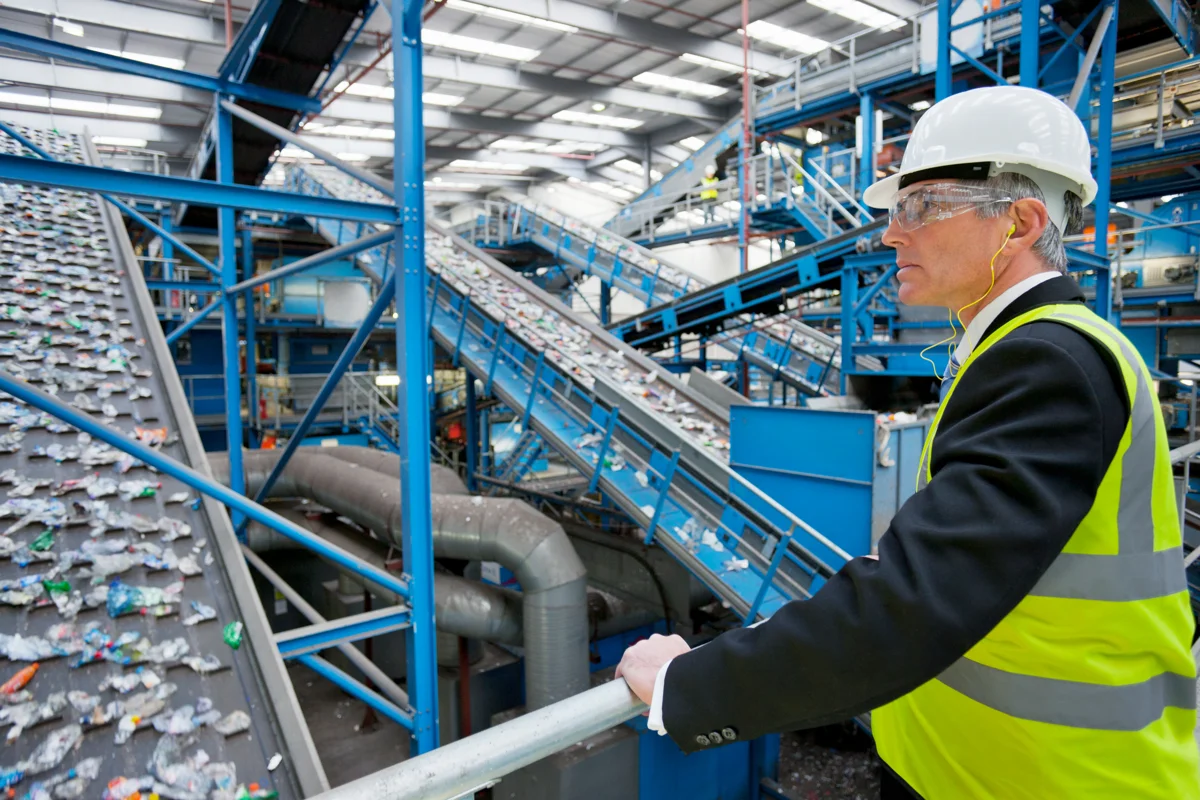
Stock image for referential purposes only
The United States is sending more than $1 billion worth of aluminum cans to landfills each year, even as it relies heavily on imports of the metal. According to London-based AI waste intelligence company Greyparrot, the discarded cans represent around 11 million megawatt-hours of wasted energy annually.
The scale of the lost material becomes clearer at the recycling plant level. Data from Greyparrot’s Analyzer systems at Circular Services’ Sunset Park material recovery facility (MRF) in Brooklyn, New York, shows that 89 percent of aluminum reaching the sorting belt is recoverable. The facility processes roughly 91,000 cans per day, equivalent to about 514 metric tons per year, and recovers nearly nine out of every 10 cans that pass through its sorting lines.
Greyparrot released the findings during Climate Week NYC, September 20–27, highlighting a less-discussed side of the energy debate surrounding artificial intelligence. While the electricity consumption of AI data centers is attracting growing attention, the energy required to produce primary aluminum remains a major but less visible part of the equation.
Citing data from the Aluminum Association and the Can Manufacturers Institute, Greyparrot said the US landfilled $1.2 billion worth of aluminum in 2023. Of the 107 billion cans shipped, 61 billion ended up in landfills, leaving the country with a 43 percent recycling rate, the lowest level in decades.
US remains heavily dependent on aluminum imports
The lost material is particularly significant as the US continues to depend on imported aluminum for products ranging from beverage cans to cooking foil.
Greyparrot points to 2025 trade data showing $26.5 billion in aluminum imports, with net imports covering around 60 percent of US supply. Rising aluminum prices have also added pressure amid tariffs.
Recovering more of the aluminum already present in the domestic waste stream could therefore provide another source of supply while reducing the need for energy-intensive primary production.
According to the International Aluminum Institute, recycling aluminum requires around 95.5 percent less energy than producing primary aluminum from ore.
That means recovering a discarded can does more than divert material from a landfill. It can also reduce the need to produce new metal and, in turn, ease some of the energy demand associated with aluminum production.
Join the fourth edition of webinar "Hedging for recyclers - Become an expert in 6 hours" by Jorge Dyszel.
AI makes hidden aluminum supply visible
Greyparrot is using AI-powered camera systems to identify what is moving through recycling facilities in real time.
Its Analyzer systems are installed above sorting belts at facilities across seven US states and more than 20 countries. The technology identifies materials, products and brands as they move through the waste stream.
Greyparrot said its Analyzer systems have now surpassed 1 trillion material detections, with customers including WM, Circular Services, Veolia, Biffa and FCC.
At Sunset Park, the technology has measured an 89 percent recovery rate for aluminum passing through the facility. Nationally, however, Greyparrot said fewer than four in 10 cans are recycled at all, suggesting that getting cans into the recycling system remains a major challenge.
“Every era of computing has made something invisible legible, and waste is the last unindexed system in the global economy,” Greyparrot co-founder Ambarish Mitra said. “The world is counting the energy going into AI to the last megawatt-hour. Nobody is counting the energy going into landfill. Aluminum is the clearest case: recycling it takes 95 percent less energy, because the energy is already in the metal. Waste intelligence makes that visible for the first time, and what it shows is domestic supply hiding in plain sight.”
Greyparrot said facilities using its Analyzer systems have achieved 10 percent to 30 percent efficiency gains, with more than $2 million in savings in a single year in some cases. The company attributed the gains largely to the recovery of high-value plastics and aluminum that would otherwise have been lost to residue.
Turning waste into a domestic aluminum stream
The opportunity extends beyond improving sorting efficiency. Better visibility into waste streams could help recyclers measure how much aluminum is being recovered and demonstrate the value of that material to downstream customers.
“Recycling has been treated as a public service when it is a supply chain,” Circular Services CEO Ron Gonen said. “The aluminum moving through our facilities is a domestic commodity stream, and now we can measure it in real time. That changes what we can recover and what we can prove to the customers who buy it.”
For the US aluminum industry, the figures point to a significant pool of material already sitting within the domestic waste stream. Recovering that aluminum could simultaneously reduce landfill losses, provide additional domestic supply and cut the energy requirements associated with producing primary metal.
Explore secodary aluminum products and connect with verified suppliers on the Al-Biz marketplace.
Neuman Aluminium strengthens scrap processing with furnace upgrade in Austria
Next articleFinancing expands Metycle’s capacity to source and supply secondary copper and aluminium at scale
Grow with
AL Circle