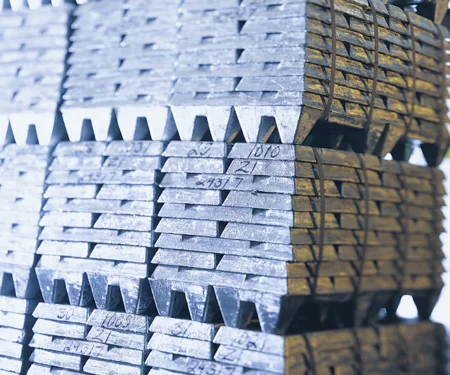
Neuman Aluminium strengthens scrap processing with furnace upgrade in Austria
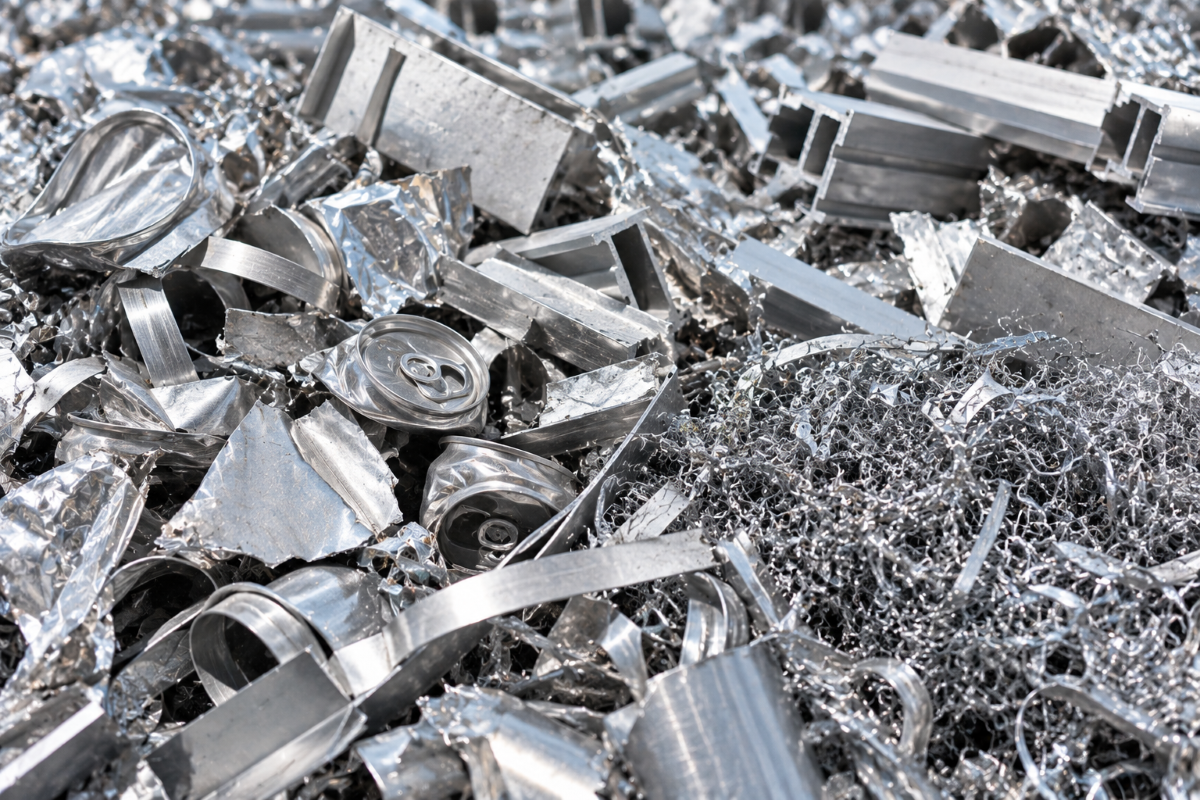
The image used in this article is generated with an AI tool and does not depict any real-time moment
Neuman Aluminium has upgraded a melting furnace at its Marktl headquarters in Austria, improving its ability to process low-density aluminium scrap for the production of aluminium slugs used in packaging and technical applications.
The furnace retrofit comes as customers increasingly seek products with higher levels of post-consumer recycled (PCR) aluminium. By adapting its existing melting and recycling setup, Neuman aims to handle a wider range of challenging scrap streams while maintaining the quality requirements of impact-extruded aluminium products.
Furnace retrofit strengthens aluminium recycling
The project involved the refurbishment of an existing melting furnace and the installation of a Typhoon™ chip submersion system from Zmag. Neuman also renewed the furnace door system, refractory lining and increased the bath surface area and holding capacity.
Modifications to the heat recovery system were also made to prepare the furnace for future preheating of aluminium scrap.
“The main driver was the increasing demand from customers for products containing higher levels of post-consumer recycled (PCR) aluminium,” said Michael Vonwald, technical director at Neuman Aluminium Austria. “Meeting these expectations requires a continuous transformation of our melting and recycling processes.”
To know more about the aluminium recycling trends and forecast, explore our report: World Recycled ALuminium Market Analysis Industry forecast to 2032.
For Neuman, the challenge was not simply to increase recycled aluminium use. Much of the targeted post-consumer scrap consists of small and lightweight fractions with low bulk density, making them more difficult to introduce and melt efficiently in a conventional furnace.
New submersion technology expands scrap use
The Typhoon system was integrated into the existing furnace to enable submerged melting of these difficult aluminium scrap fractions.
“To process these materials efficiently, we were looking for a submerging technology that could be integrated into our existing furnace and enable submerged melting of these challenging scrap types,” Vonwald said. “The Typhoon system provided exactly this solution. It significantly expands the range of scrap materials we can process economically and efficiently, giving us much greater flexibility in raw material sourcing while supporting our sustainability goals.”
The system uses Zmag’s zPMC™ magnetic circuit to generate “virtual impellers”, creating movement within the molten aluminium without mechanical contact. It operates at 5-15 kW, including the air-cooling blower, and can submerge up to five tonnes per hour of machining chips.
The intensity of the molten-metal movement can also be adjusted. When scrap or alloying materials are not being added, the system can operate at lower intensity, helping minimise dross formation while maintaining bath homogeneity.
Explore recycled aluminium products and connect with suppliers on the AL Circle B2B marketplace.
Neuman takes on pioneering furnace retrofit
Installing the aluminium scrap recycling system required structural modifications to the furnace. Neuman opened the furnace sidewall and added a sidewell for submerged melting, while extending the foundation to accommodate the magnetic generator.
The project also represented a new application for the technology. Neuman said it was the first company in Europe to install Zmag’s Typhoon system and the first known installation on a tiltable single-chamber melting furnace worldwide.
Before the retrofit, Neuman assessed several technical risks, including whether the system could handle the targeted scrap rates, the possibility of clogging in the passages between the sidewell and furnace, and the additional work that might be required for cleaning and dross handling.
The company also monitored potential metal splashing during charging and any impact on melt quality and finished aluminium products.
The Typhoon system was ultimately incorporated as an additional melting unit, while the furnace continues to operate primarily as a solid-charge melting furnace.
Scrap recovery exceeds expectations
The retrofit delivered stronger scrap-processing performance than Neuman initially expected.
The original target was to melt one tonne per hour of aluminium scrap with a bulk density of around 375 kg/m³ while continuing to melt solid charge materials such as ingots in the same furnace. During operation, the system processed almost twice the planned scrap quantity within the expected timeframe, while normal furnace operations continued.
The company also found that the new system did not create significant additional operational demands. Operator involvement remained low, furnace operation stayed stable and no negative impact on melt or finished-product quality was observed.
“The project has delivered exactly what we were looking for,” said Vonwald. “We saw a substantial increase in our ability to process low-density recycled scrap, significantly greater flexibility in our raw material portfolio, and the confidence that these benefits can be achieved without compromising product quality or operational stability.”
Beyond aluminium scrap melting, the system has also helped with alloying. According to Vonwald, operators found that the intensive movement generated in the melt allows alloying elements to be distributed rapidly and uniformly.
For Neuman Aluminium, the furnace retrofit has therefore opened a wider route for using challenging recycled aluminium scrap while keeping the metallurgical consistency needed for high-quality aluminium slug production.
Unlock key insights from leading companies and experts across the aluminium ecosystem with our e-Magazine - Mine to Market: ALuminium Producers & Manufacturers 2026
The future of scrap is spec: Inside Metycle’s SmartSorting Hub
Next articleUS aluminum landfill loss can become domestic supply opportunity, says waste intelligence firm
Grow with
AL Circle