Buying Indian secondary aluminium? Start with these seven verifications
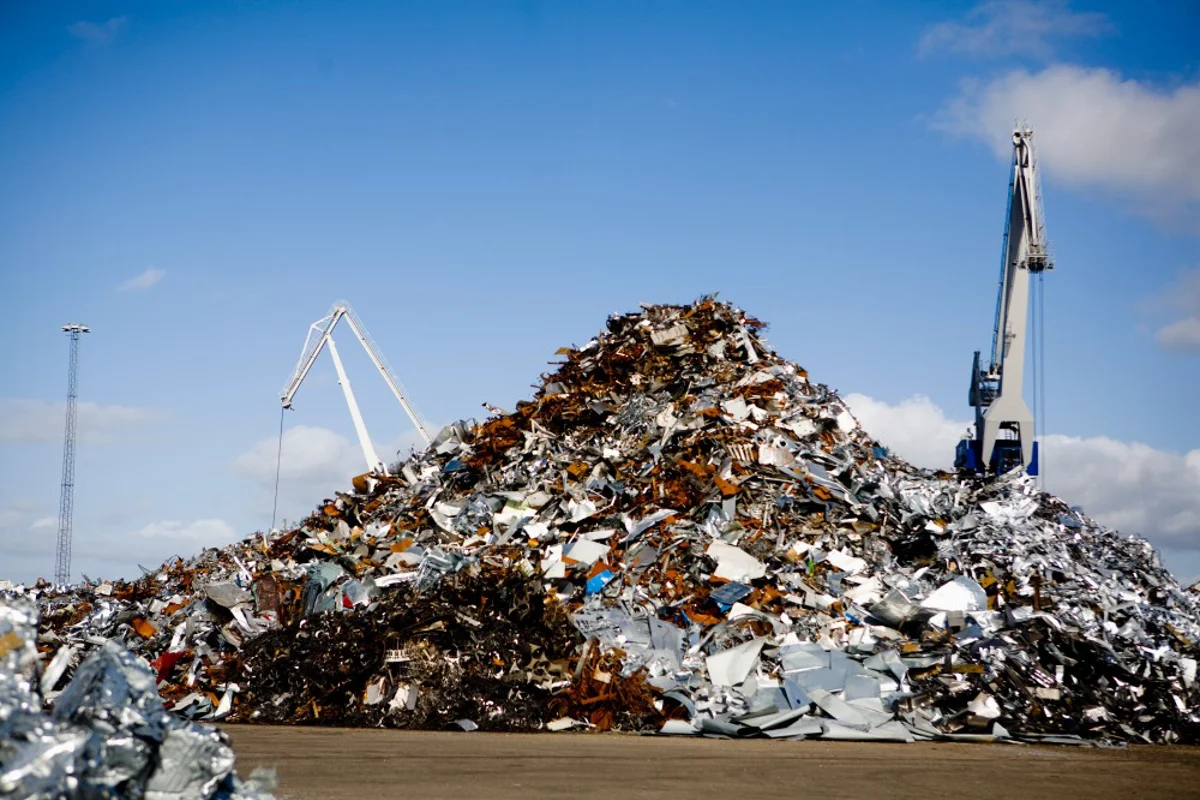
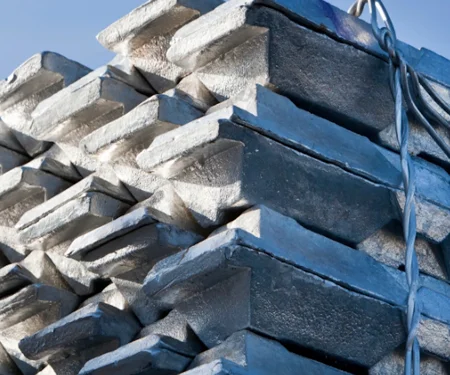
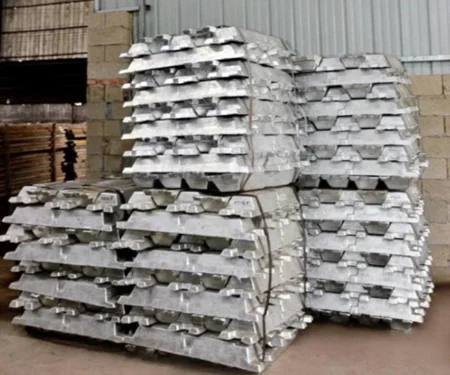
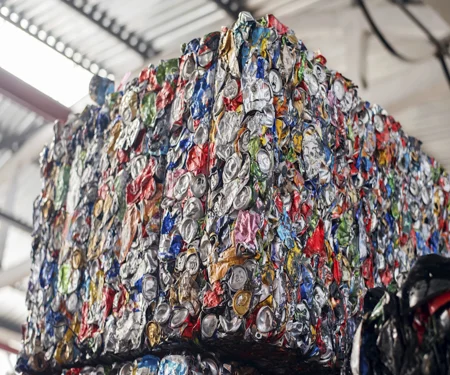
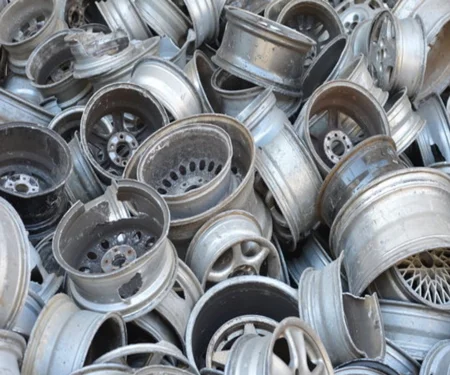
Stock image for referential purposes only
Secondary aluminium is increasingly central to Europe’s decarbonisation plans. It is used in automotive castings, construction profiles, packaging and consumer goods and is valued because it can deliver similar mechanical properties to primary metal while requiring a fraction of the energy and emitting far less carbon dioxide.
The European Union’s Emissions Trading System (ETS) and the Carbon Border Adjustment Mechanism (CBAM) have made low-carbon aluminium a strategic priority.
As India’s scrap aluminium imports have continued to rise, from 0.88 million tonnes in CY15 to nearly 2 million tonnes in CY25, with a long-term CAGR of about 8.6 per cent, stronger traceability and licensing requirements are becoming increasingly important across the secondary aluminium supply chain.
For this reason, manufacturers and traders sourcing from India should keep an eye on the quality and reliability of the secondary aluminium, which can vary significantly between suppliers. The following checklist outlines what to verify before committing to a long-term contract with any Indian secondary-aluminium recycler.
Scrap sourcing transparency
Asking the prospective recycler where their raw material actually comes from is a must. Do they operate their own scrap procurement network, buying directly from automotive shredders, industrial plants, cable processors and used beverage-can collectors, or do they buy semi-processed aluminium from third-party traders?
An integrated recycler with direct scrap procurement has full visibility into input chemistry, can reject contaminated loads before they enter the furnace, and is far less exposed to scrap-availability disruptions. A recycler entirely dependent on traders is exposed to both supply volatility and the quality of decisions made upstream by parties they do not control.
Join the fourth edition of webinar "Hedging for recyclers - Become an expert in 6 hours" by Jorge Dyszel.
Spectro analysis and batch-level certificate of analysis
For aluminium alloys, the relevant instrument is an Optical Emission Spectrometer, or OES, that can simultaneously measure the concentrations of silicon, iron, copper, manganese, magnesium, zinc, titanium and other elements in each heat.
Asking for a Certificate of Analysis for every batch, not just a generic spec sheet, is important. The CoA should show actual measured values for each element, not just “within spec.” Batch-to-batch consistency data is more useful than a single test result; consistent alloy chemistry from a supplier’s facility over multiple orders tells their process control is working.
Furnace and process setup
A recycler operating reverberatory furnaces or tilting rotary furnaces with flux treatment capability can degas the melt, remove inclusions and control alloy chemistry precisely. One running basic pot furnaces without flux injection is doing remelting, not refining; the output alloy quality reflects that.
Furnace capacity in tonnes per heat, flux treatment processes, degassing methods (argon or nitrogen rotary degassing is the standard), and how they manage dross is important to note. Dross yield, the non-metallic waste fraction, is an indicator of process efficiency; reputable recyclers track and minimise it.
ISO certification and quality management systems
ISO 9001:2015 (quality management) and ISO 14001:2015 (environmental management) certifications indicate the supplier has documented, audited processes, not just verbal assurances. Ask for current certificates with validity dates and the name of the certifying body.
For aluminium specifically, ISO 14001 matters because aluminium remelting generates furnace gases, dross and wastewater that must be managed under India’s environmental regulations. Certified facilities have invested in the pollution control and waste management infrastructure that uncertified operations often skip.
To explore trade opportunities of secondary aluminium, visit AL Biz
BIS compliance and QCO readiness
The Bureau of Indian Standards Quality Control Orders on aluminium alloys mean that alloy supplied to Indian manufacturers must conform to BIS standards. Verifying the supplier’s alloys are manufactured to BIS IS specifications for the relevant grade and that they can provide test reports demonstrating compliance. This has become a non-negotiable for any serious procurement team doing supplier audits.
The Indian government has notified the Aluminium and Aluminium Alloy Products (Quality Control) Order, 2026, which mandates compulsory BIS certification and use of the Standard Mark for specified aluminium and aluminium alloy products. While export-only production is exempt, buyers should confirm that the supplier’s domestic operations and quality systems are aligned with QCO requirements.
Supply capacity and delivery reliability
A supplier who quoted a competitive price on a trial order of 10 tonnes may not be the same reliable partner for 80 tonnes a month over a 12-month contract. Asking about installed furnace capacity in tonnes per month, number of manufacturing locations, and their track record on on-time delivery for orders comparable to the requirement.
Multi-location manufacturers spread operational risk. A recycler with a single plant has no fallback if that plant faces a maintenance shutdown, a regulatory inspection or a raw material shortage.
Green aluminium documentation and ESG reporting support
If the company has carbon reporting obligations or downstream customers asking about recycled content is in the products, the secondary aluminium supplier needs to be able to give verified data, not just a claim. Ask whether they can provide carbon footprint documentation for their material, recycled content certificates or any internationally recognised sustainability verification.
India’s secondary aluminium sector benefits from a structural emissions advantage under the EU’s CBAM framework, with typical greenhouse gas intensity well below the primary-aluminium benchmark. That advantage is meaningful only if it can be substantiated with credible data and documentation that European buyers and regulators will accept.
Showcase your brand, aluminium recycling initiatives and sustainability vision in our upcoming magazine: Sustainability & Recycling: Aluminium’s Commitment 2026.
Trimet builds 40,000-tpa aluminium scrap sorting hub as recycled metal demand rises
Next articleWhy aluminium scrap grade matters when buying secondary aluminium in India
Grow with
AL Circle