August aluminium scrap imports recover M-o-M; multiple constraints suppress a sharp import rebound
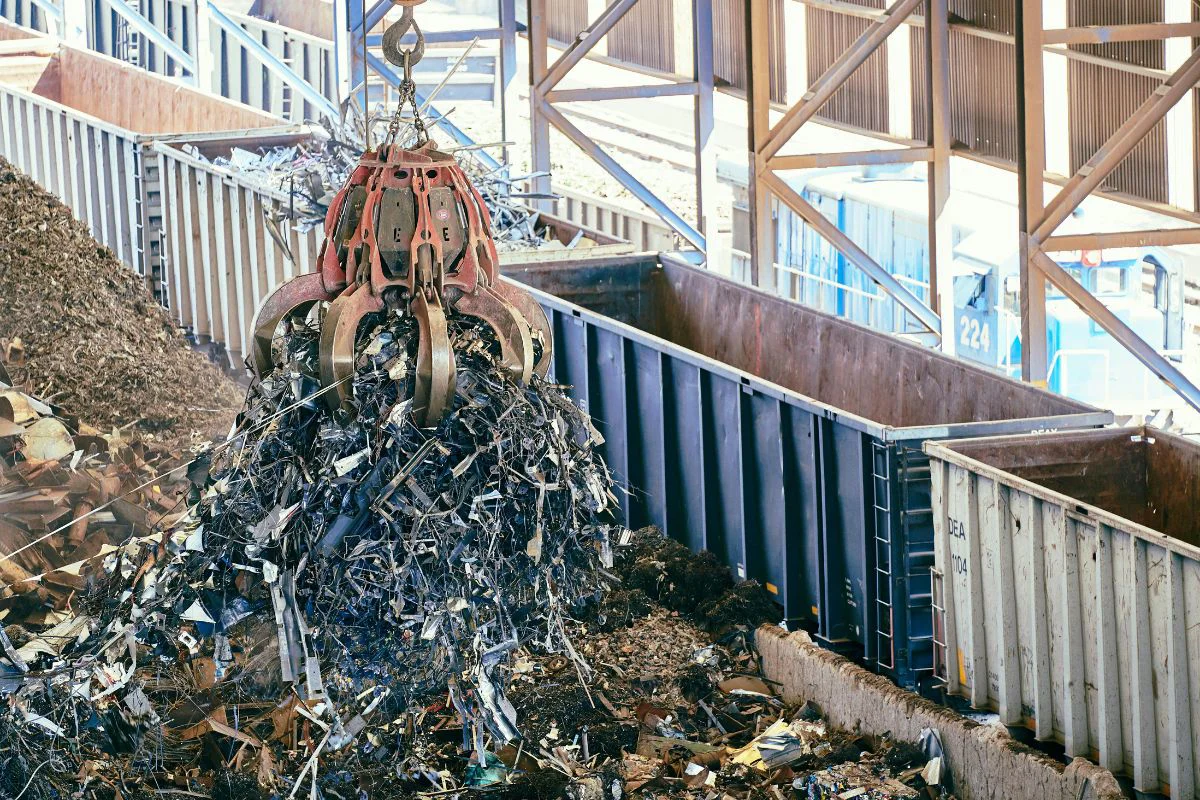
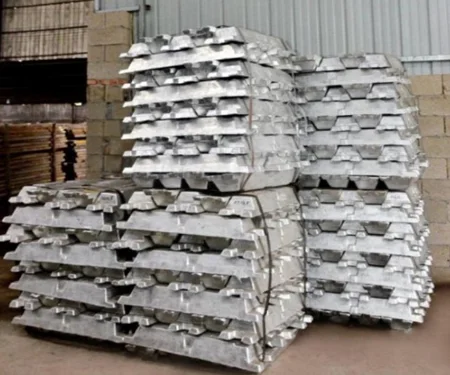
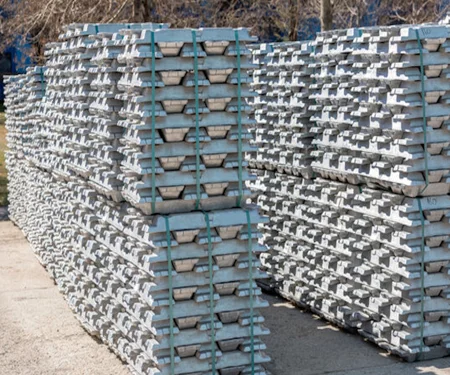
Stock image for referential purposes only
According to data from the General Administration of Customs, China's aluminium scrap imports in August 2026 stood at 141,800 tonnes, up 18.60 per cent M-o-M but down 17.67 per cent Y-o-Y, ending the "four consecutive declines" since April. Cumulative imports in January-August 2026 totalled approximately 1.243 million tonnes, down about 7.5 per cent Y-o-Y, with the cumulative decline widening further from 6.1 per cent in January-July. Overall, August imports showed a clear M-o-M recovery, but the Y-o-Y decline remained close to 20 per cent.
From a monthly pace perspective, aluminium scrap imports in 2026 peaked at 197,300 tonnes in March, then pulled back for four consecutive months, hitting a year-to-date low of 119,600 tonnes in July. August rebounded 18.60 per cent M-o-M to 141,800 tonnes, recovering some lost ground but still below the May level of 152,100 tonnes.
On a cumulative basis, January-August imports totalled 1.243 million tonnes, down about 7.5 per cent Y-o-Y, with the decline widening from 6.1 per cent in January-July to about 7.5 per cent, while August's Y-o-Ydecline approached 18 per cent. Compared with the full-year 2025 total of 2.016 million tonnes, cumulative imports in the first eight months of this year were equivalent to only 61.7 per cent of last year's total.
By source country, August imports showed a pattern of "Southeast Asia rebounding, Europe and the US diverging." Thailand's aluminium scrap exports to China in August were 34,124.96 tonnes, up 32.84 per cent M-o-M but down 21.47 per cent Y-o-Y, accounting for 24.1 per cent of total monthly imports, up 2.6 percentage points from 21.5 per cent in July, and further consolidating its position as the top source country.
In January-August, Thailand's cumulative exports to China totalled 258,500 tonnes, accounting for 20.8 per cent, remaining the only source country with a share above 20 per cent. In addition, from the country-level breakdown, Portugal exported 9,754.11 tonnes of aluminium scrap to China in August, ranking as the fifth-largest source country for the month.
By trade mode, Ordinary Trade imports in August were 120,979.6 tonnes, up sharply by 35.96 per cent M-o-M, accounting for 85.3 per cent of total monthly imports, a significant rebound from 74.4 per cent in July. Processing trade with supplied materials was 16,476.4 tonnes, down 26.62 per cent M-o-M. Processing trade with imported materials was 3,812.9 tonnes, down 51.43 per cent M-o-M. Total processing trade was 20,289.3 tonnes, down about 33.05 per cent M-o-M, with its share pulling back to 14.3 per cent.
Looking ahead, September aluminium scrap imports are expected to extend a modest M-o-M recovery. On one hand, the August M-o-M rebound indicates that shipping schedules and deliveries have gradually returned to normal, and Southeast Asian supply replenishment is expected to continue increasing.
On the other hand, as the traditional September-October peak season deepens, downstream orders are expected to see marginal improvement, which may drive phased restocking demand for imported material. However, turning positive on Y-o-Y basis remains difficult.
First, the UAE export ban and EU tariff policies are unlikely to reverse in the short term, and the restricted export landscape for high-quality scrap from Europe and the Middle East will persist. Second, prices outside China are expected to remain firm, making it difficult for the import loss window to stay open. Third, if the September peak season falls short of expectations, scrap utilisation enterprises are unlikely to change their purchase-as-needed stance in the near term.
On balance, September aluminium scrap imports may edge up M-o-M but will likely remain in negative Y-o-Y growth. If overseas shipping schedules recover further after October and Southeast Asian supply replenishment continues to increase, imports could see a phased recovery, but returning to the 2025 level of 2.016 million tonnes will be difficult.
Key areas to monitor include: the subsequent evolution of UAE and EU aluminium scrap export policies; changes in the price spread between Chinese and overseas markets and the import profit margin window; the enforcement of China's reverse invoicing policy and the supply of compliant aluminium scrap; and the actual fulfilment of downstream orders during the September-October peak season.
Note: This article has been issued by SMM and has been published by AL Circle with its original information without any modifications or edits to the core subject/data.
Constellium may halt EU aluminium recycling expansion as scrap shortage deepens
Next articleThe future of scrap is spec: Inside Metycle’s SmartSorting Hub
Grow with
AL Circle