Germany’s next big aluminium recycling prospect lies in 600kt of solar PV waste
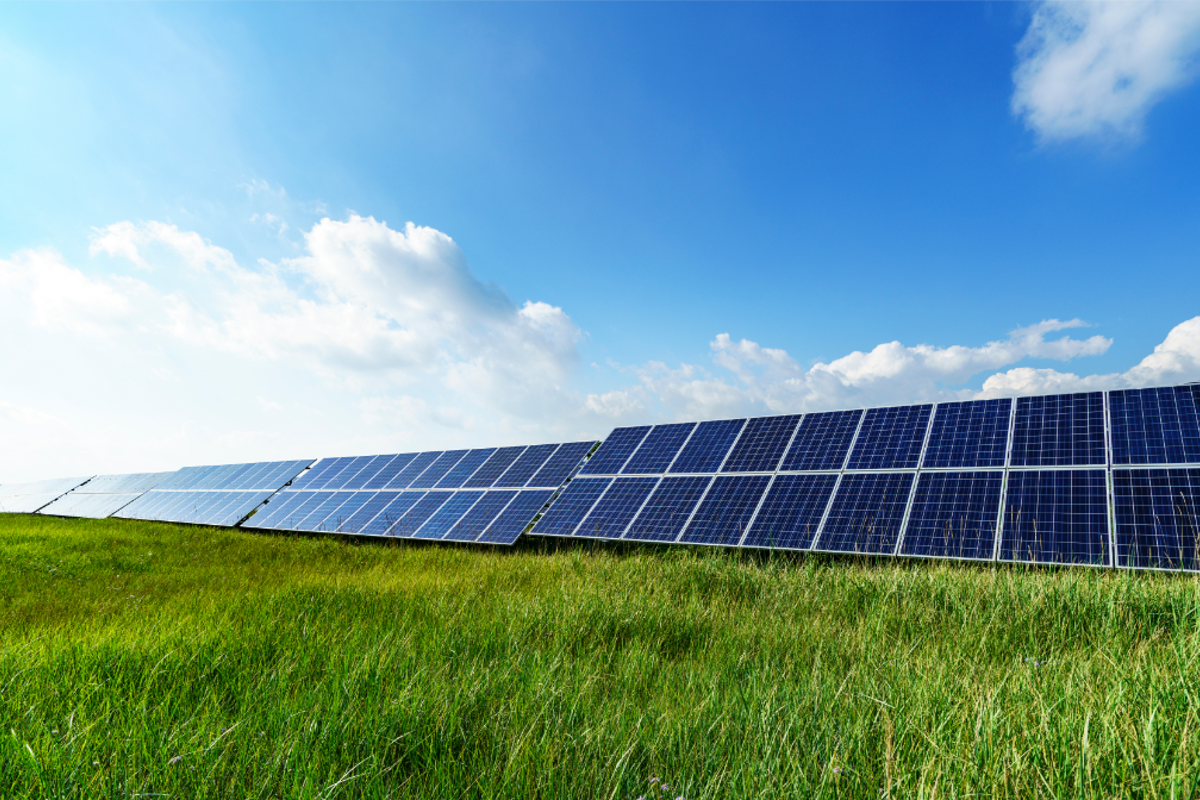
Stock image for referential purposes only
Germany is on track to generate over 600,000 tonnes of solar PV waste by 2030, creating a major recovery opportunity for aluminium and silver. A new study by the Fraunhofer Centre for Silicon Photovoltaics (CSP) highlights the approximate raw-material value locked in the country’s installed solar fleet. At the same time, it identifies a key challenge of an efficient recovery of the trapped aluminium and silver.
Germany had roughly 5.35 tonnes of PV modules installed by 2023, containing around 660,000 tonnes of aluminium and 3,900 tonnes of silver, with a combined value of about EUR 4.8 billion (USD 5.4 billion) at current prices. These figures have risen considerably since 2023 and would need to almost double by 2030 if Germany is to meet its solar deployment targets.
However, turning this material potential into economic and environmental value depends on effective recycling infrastructure.
Join the fourth edition of the webinar “Hedging for recyclers - Become an expert in 6 hours” by Jorge Dyszel.
Recycling capacity struggles to keep pace
Fraunhofer CSP observed that only two plants in Germany currently process crystalline silicon (c-Si) modules on an industrial scale. Different processes are required to recover bulk materials such as glass as well as higher-value materials such as aluminium and silver.
The study also identifies a gap between expected recycling volumes and the actual material reaching recycling facilities, making it harder to build sufficient processing capacity. Despite Germany’s growing cumulative solar capacity, the volume of PV waste collected during 2022-24 declined compared with previous years.
To explore trade opportunities of aluminium scrap, visit AL Biz
The researchers attributed this trend presumably to longer module usage or the export of used modules.
Unpredictable waste volumes create another challenge for recyclers. Available feedstock needs to be sufficiently reliable to justify investment and align expected material recovery with returns.
Moreover, aluminium and silver have emerged as valuable recovery streams. The wider solar industry is examining ways to boost material circularity in new manufacturing methods. The IEA PVPS has noted that critical mineral recovery from existing solar modules is essential for the sustainable development of the solar industry.
The research indicates that continued solar growth will have a significant impact on global critical-mineral supply, making both recycling and reduced material use in manufacturing important tools for managing that pressure.
The challenge for Germany is therefore not simply the volume of PV waste expected by 2030. The bigger question is whether recycling systems can reliably collect and process that material and recover the aluminium, silver and other resources embedded in the country’s expanding solar fleet.
Showcase your brand, aluminium recycling initiatives and sustainability vision in our upcoming magazine: Sustainability & Recycling: Aluminium’s Commitment 2026.
AL Circle Analysis: Europe’s aluminium scrap curbs, India’s risk and US’s supply opportunity
Next articleUS aluminum scrap imports jump to 580kt in H1 2026; Canada leads with 64% share
Grow with
AL Circle