Norway transforms 20 tonnes of recycled aluminium from oil platform into 55-metre bridge
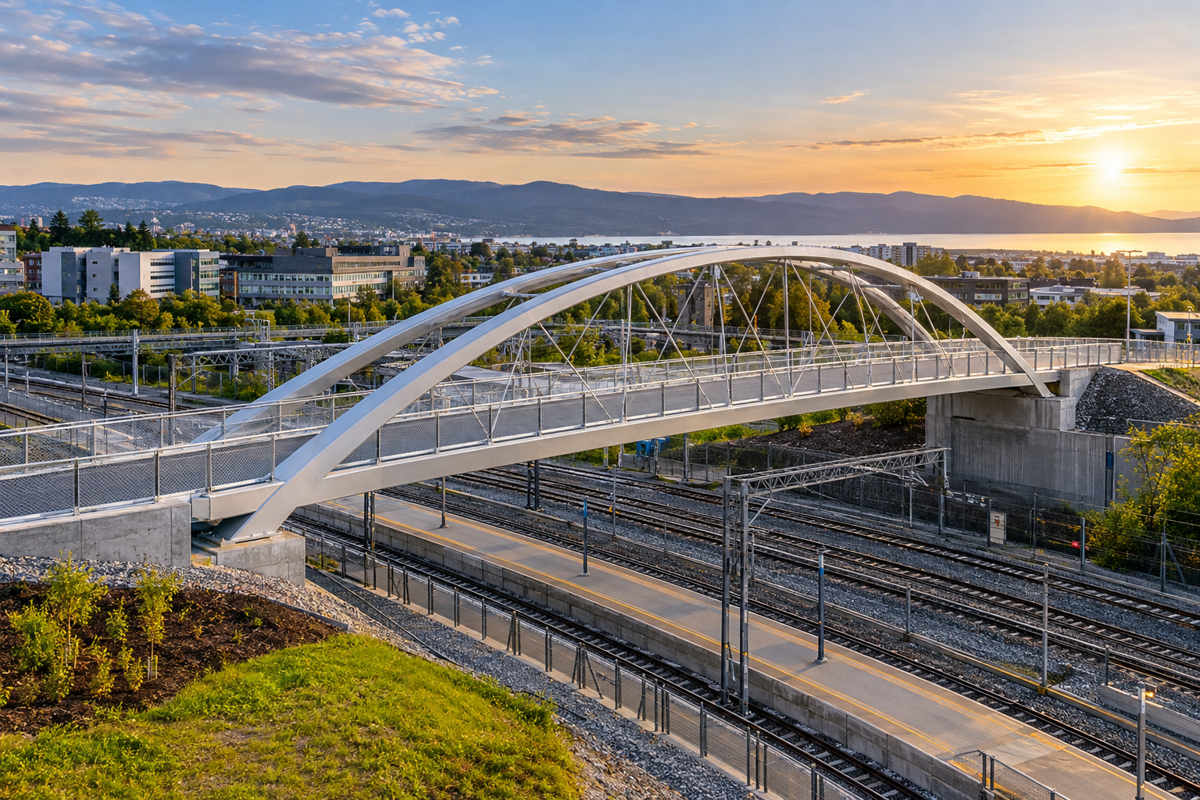
The image used in this article is generated with an AI tool and does not depict any real-time moment
Norway has given aluminium recovered from a decommissioned North Sea oil platform a second life as a 55-metre pedestrian and cycle bridge in Trondheim. The Hangarbrua project uses 20 tonnes of recycled aluminium from the former Gyda platform. The project shows how industrial scrap can be converted into long-lasting public infrastructure while opening new possibilities for aluminium bridge construction.
From North Sea oil platform to urban infrastructure
The story behind Hangarbrua begins with Gyda, an oil platform that operated in the North Sea from 1990 until its decommissioning in 2021. During dismantling, Aker Solutions recovered approximately 18,000 tonnes of steel and other metals, including aluminium from the platform's topsides.
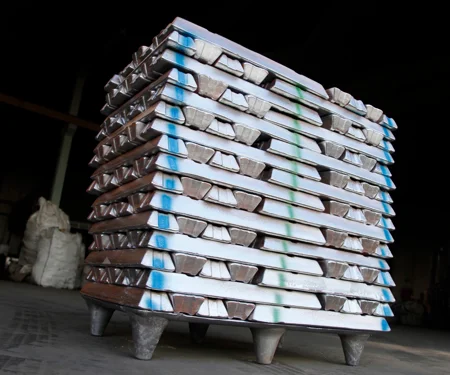
Stena Recycling sorted the recovered aluminium scrap before supplying it to Hydro for recycling. Hydro processed the material at its facilities in Sweden, casting it into extrusion ingots at its Sjunnen casthouse before transporting it to its extrusion plant in Finspång. There, the recycled metal was transformed into new aluminium profiles for the bridge deck.
The Norwegian Public Roads Administration commissioned Hangarbrua as a pilot project. Leirvik AS designed and built the bridge in collaboration with COWI, while Hydro, Aker Solutions and Stena Recycling contributed to the recycled aluminium supply chain.
The project also marks Norway's return to aluminium bridge construction for the first time since 1995, when Leirvik delivered the Forsmo Bridge.
Join the fourth edition of webinar "Hedging for recyclers - Become an expert in 6 hours" by Jorge Dyszel.
What makes Hangarbrua different?
Hangarbrua is a network arch bridge designed for pedestrians and cyclists. It crosses the railway lines at Leangen Station, forming part of Trondheim's main walking and cycling route towards the city centre.
Its defining feature is the bridge deck, which uses 100 per cent recycled aluminium recovered from Gyda. The wider structure is made from aluminium, while stainless-steel tension rods provide additional structural support.
The choice of aluminium also offers a construction advantage. According to the project information, an aluminium version weighs approximately one-third as much as a comparable steel bridge, allowing the structure to be assembled away from the railway before being lifted into place.
A carefully planned installation over an active railway
The bridge's installation required close coordination to minimise disruption to railway operations.
Leirvik test-assembled the structure at its facility in Stord in December 2024. The four main segments were transported to Trondheim in March 2025, where they were joined and fitted with suspension rods, railings and safety nets.
On 19 June 2025, Nordic Crane lifted the completed bridge into position at Leangen Station using a 650-tonne crawler crane with a 72-metre boom. The components arrived in 21 truckloads, and the final lift was carried out during a scheduled railway closure.
The installation was completed within the designated window, with the critical structural elements aligning as planned.
Looking for aluminium recycling equipment providers? Browse through a comprehensive list here at AL Biz
Can recycled aluminium reduce the carbon footprint of bridges?
Beyond recycling industrial scrap, Hangarbrua offers an opportunity to examine aluminium's environmental performance in structural applications.
A life cycle analysis conducted by COWI compared the aluminium bridge with a stainless-steel alternative based on the same network arch design. The assessment estimated emissions of 120 tonnes of CO₂ for the aluminium bridge when the benefits of recycling at the end of its life were included, compared with 500 tonnes for the stainless-steel alternative.
Without accounting for those end-of-life recycling benefits, the estimated emissions were 420 tonnes for the aluminium design and 620 tonnes for the stainless-steel version. These figures highlight the importance of considering a material's full life cycle, rather than evaluating its initial production alone.
Aluminium's corrosion resistance is another consideration. The project partners expect the bridge to require minimal maintenance over its lifetime, while the Norwegian Public Roads Administration anticipates maintenance-free performance for 100 years.
Sensors to inform the next generation of aluminium bridges
Hangarbrua is also part of the Norwegian Public Roads Administration's FjordX research and development programme, which focuses on infrastructure that is cost-efficient, environmentally sustainable and safe.
Sensors installed across the bridge will monitor its structural behaviour, generating data that could help researchers understand how aluminium performs under real-world conditions. The findings may contribute to future design standards and support the development of aluminium bridges with different designs and spans.
The structure has already become a research subject for master's and doctoral students at the Norwegian University of Science and Technology. For Leirvik, which has extensive experience in large aluminium structures for the oil and gas sector, the project represents a renewed opportunity to apply that expertise to bridge construction.
Hangarbrua demonstrates how aluminium recovered from an industry associated with fossil fuel extraction can be redirected towards public infrastructure. More importantly, it provides a practical test case for combining recycled materials, lightweight structural design and life cycle assessment in future construction projects.
Showcase your brand, aluminium recycling initiatives and sustainability vision in our upcoming magazine: Sustainability & Recycling: Aluminium’s Commitment 2026.
Since 1888, 1.1 billion tonnes of produced aluminium still in use: How much of it did recycling recover?
Next article60kt a year: Red Bull backs Speira’s €40m aluminium recycling furnace at Rheinwerk
Grow with
AL Circle