60kt a year: Red Bull backs Speira’s €40m aluminium recycling furnace at Rheinwerk
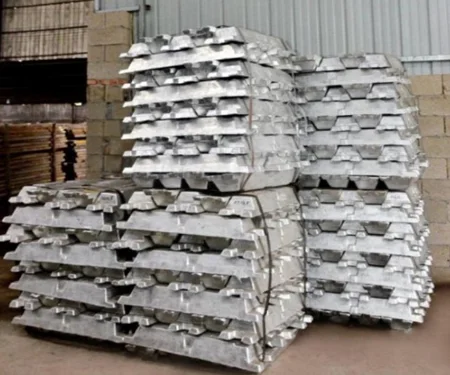
This image has been obtained via official Press Release
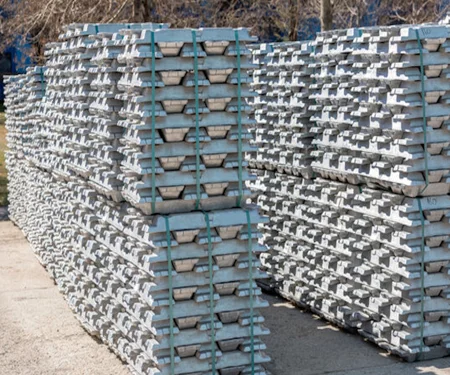
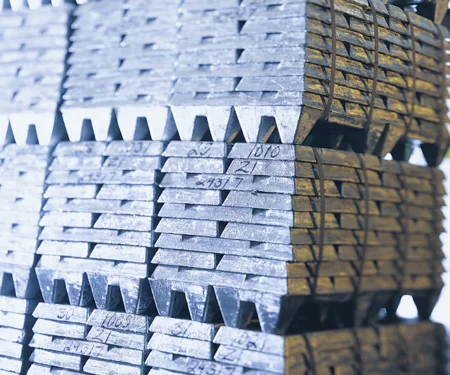
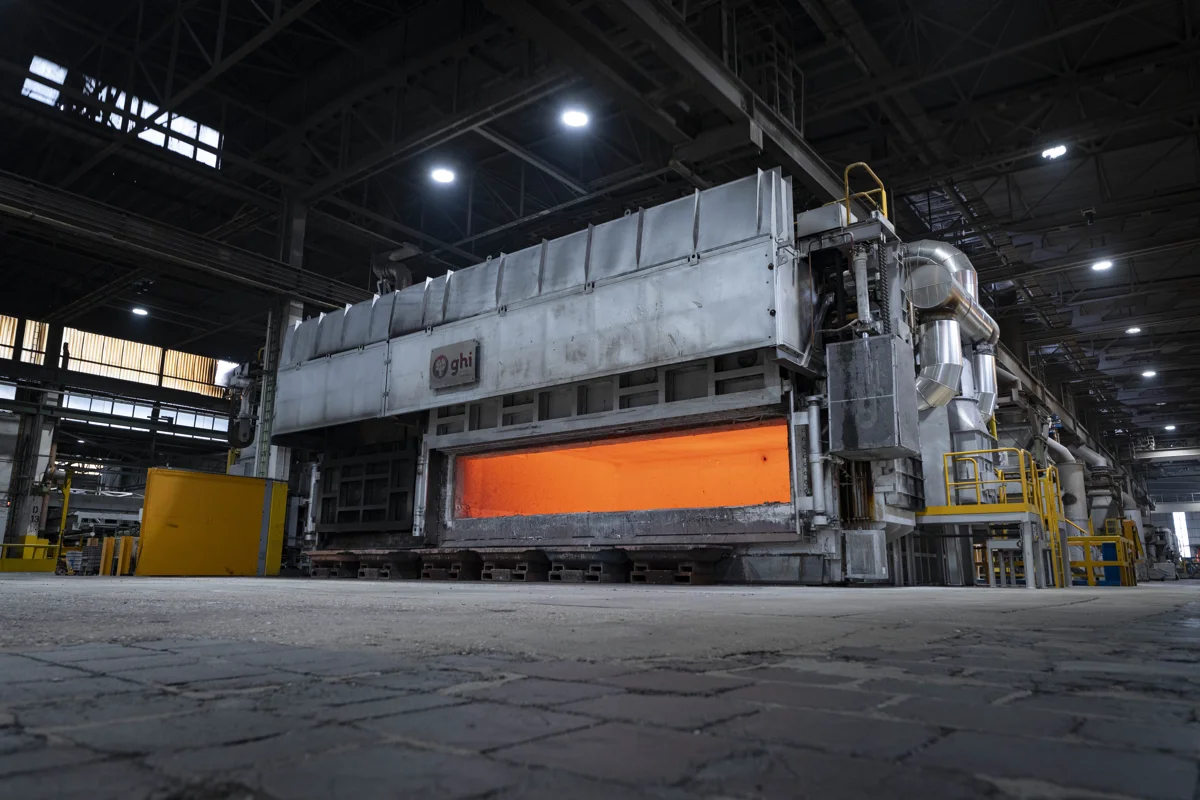
Speira has commissioned a new aluminium recycling furnace at its Rheinwerk site in Grevenbroich, Germany, completing a EUR 40 million (USD 44.75 million) investment aimed at expanding recycled aluminium production for beverage cans. The facility has an annual capacity of around 60,000 tonnes, while Red Bull’s use of cans made with Speira’s recycled aluminium highlights the growing role of circular material in the beverage sector.
The development marks another step in transforming a site long associated with primary aluminium production into a centre for the circular aluminium economy.
Join the fourth edition of the webinar "Hedging for recyclers - Become an expert in 6 hours" by Jorge Dyszel.
Rheinwerk shifts towards recycling
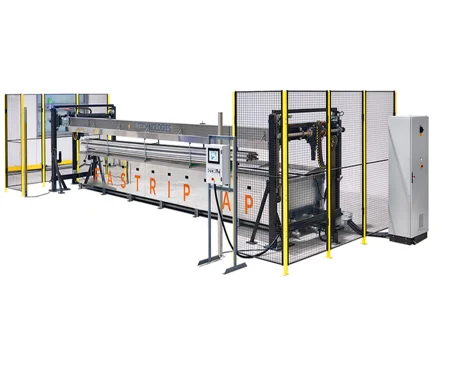
The investment covers the new furnace, optimisation of the third of Rheinwerk’s four casting lines for recycled alloys, and additional storage capacity for 6,500 tonnes of aluminium can scrap. The storage space occupies the former aluminium smelter’s 300-metre-long halls and includes facilities for receiving and sampling incoming scrap.
The furnace is also “H2 ready”, allowing for a future connection to the hydrogen grid when it becomes available at Rheinwerk.
At the inauguration on 9 October 2026, North Rhine-Westphalia’s Minister for Economic Affairs Mona Neubaur, Rhein-Kreis Neuss District Administrator Katharina Reinhold and Neuss Mayor Reiner Breuer joined Speira’s team to mark the launch. Red Bull attended the ceremony, which also featured a BMX show.
An industry striving to keep “valuable raw materials in circularity” retains a “competitive advantage,” observed Neubaur. This is because the materials are “not only more sustainable, but also more competitive and more resilient in times of crisis,” Neubaur stated. She added that Speira’s low-CO₂ aluminium from Neuss is already used in beverage cans and automotive body components worldwide, helping safeguard industrial value creation and jobs.
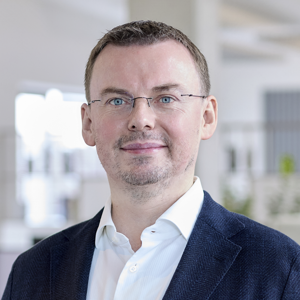
Speira CEO Einar Glomnes noted that the new facilities would enable the company to keep more aluminium in circulation and supply customers with additional recycled material, for aluminium recycling requires around 95 per cent less energy than primary production.
Looking for UBC aluminium scrap? Browse through global suppliers on AL Biz.
Red Bull partnership to back circular can demand
Speira’s recycled aluminium business is reporting an especially fast-paced growth in the beverage-can segment, with demand for circular can material helping drive the Rheinwerk expansion.
Alexander Kirchmayr, Red Bull board member and CFO mentioned, “The strong partnership between Speira and Red Bull is based on our shared commitment to sustainable business operations and the circular economy as the foundation for long-term success.” He congratulated Speira on the furnace opening and wished the company success with the project.
According to Boris Kurth, Head of Speira’s Can Business Unit, the investment represented a key milestone in a transformation that began a decade ago. “With the completion of the 40-million-euro investment, we are now reaching a decisive milestone in this transformation and demonstrating how Aluminium production and the circular economy can be successfully combined,” he said.
Showcase your brand, aluminum recycling initiatives and sustainability vision in our upcoming magazine: Sustainability & Recycling: Aluminium’s Commitment 2026.
Strengthening Europe’s aluminium value chain
The additional capacity will allow Speira to process more scrap into high-quality aluminium products, reducing reliance on energy-intensive primary raw materials and lowering energy consumption and CO₂ emissions across the value chain.
Reinhold described the opening as an important signal for the district’s industrial base, saying investment and demand for recycled products would help secure thousands of industrial jobs in the local aluminium industry over the long term. She also highlighted the combination of economic competitiveness and climate protection.
Seconding the thought, Neuss Mayor Reiner Breuer said that the recycling expansion would strengthen the city as a centre for business and employment. Because secondary aluminium requires significantly less energy, he added, it can also contribute to climate protection.
With the new facilities operating, Rheinwerk, Germany, is set to play a greater role in Europe’s circular aluminium supply chain—from scrap collection and analysis to remelting and processing. The added capacity is intended to keep more aluminium in circulation, reduce dependence on imported raw materials and limit the loss of aluminium scrap through exports to other regions.
Norway transforms 20 tonnes of recycled aluminium from oil platform into 55-metre bridge
Next articleAlupro publishes independent econometric review of the UK PRN market
Grow with
AL Circle