UK aluminium recycling growth depends on access to global markets
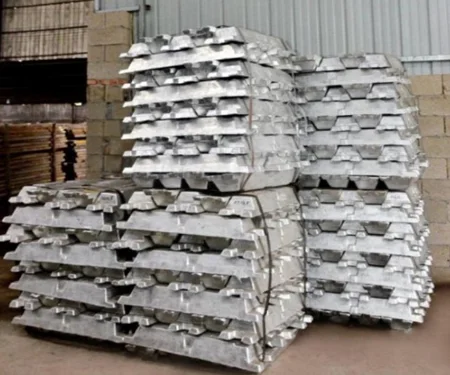
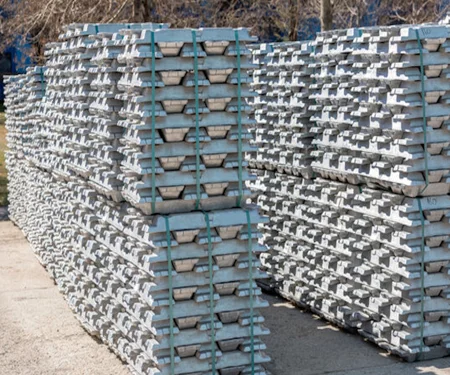
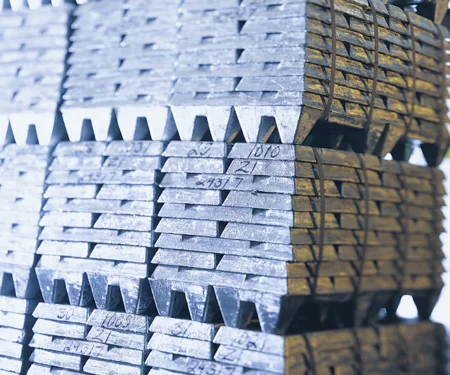
Stock image for referential purposes only
The UK will struggle to build a resilient circular aluminium economy if protectionist trade measures restrict access to recycled metal markets and overseas processing capacity, according to Tom Bird, executive chairman at Enicor.
Bird argues that free and fair trade in recycled aluminium is essential at a time when demand is rising, energy prices are increasing and geopolitical tensions are disrupting global supply chains. Although more countries are seeking to retain recycled metal within their domestic markets, he says restricting cross-border flows could undermine the investment needed to expand recycling capacity.
Demand is set to rise sharply
The UK’s aluminium demand is projected to increase from approximately 1.8 million tonnes currently to around 8 million tonnes annually by 2035. Demand growth is expected to come from sectors including defence, clean energy, digital technologies and automotive manufacturing.
According to Make UK’s Strategic Aluminium Scrap Report, the UK aluminium recycling sector will need to expand by 25 per cent annually to keep pace with this growth. The report estimates that meeting 8 million tonnes of aluminium demand in 2035 will require at least 3.55 million tonnes of recycled metal, equivalent to an annual uplift of 18 per cent.
Make UK says this requirement could be met through a combination of retaining more material in the UK and importing recycled aluminium from Europe.
The aluminium sector currently supports approximately 17,000 jobs in the UK and generates an average annual turnover of GBP 1.5 billion (USD 2.03 billion. Aluminium is also a key material for automotive manufacturing, defence, food and drink, construction and national infrastructure.
However, Bird says asking companies to expand capacity while restricting access to the international markets that support investment creates a difficult contradiction.
To know the aluminium casting demand forecast in the construction sector, explore our report "Global Aluminium Casting Market 2026-2032: Plant Economics, Alloy Segmentation, Pricing Intelligence, Supply Chain Analysis & Strategic Recommendations"
Trade barriers threaten investment
For UK recyclers, international trade provides access to processing capabilities that are not currently available domestically. The UK has only one aluminium smelter, while the country has also lost approximately 45 per cent of its aluminium billet production capacity and at least 30,000 tonnes of extrusion capacity over the past two years, according to Make UK.
This limited infrastructure means that not all recycled aluminium collected in the UK can necessarily be processed into the specific qualities required by domestic users. Different applications, from beverage cans to automotive and aerospace components, require different alloys, purities and levels of quality control.
Open trade enables recyclers to sell material into markets with the appropriate processing facilities. It also gives them greater certainty that their output will find a buyer, helping them plan investments in sorting, refining and other technologies that can produce higher-purity and more versatile aluminium products.
Export restrictions could remove that certainty, Bird argues, while also limiting access to the processing network needed to supply manufacturers with the right material at the right quality.
A global recycling network
The pressure to retain recycled aluminium domestically is increasing as governments recognise the material’s strategic importance. Recycled aluminium is no longer being treated simply as surplus metal available for export. It is increasingly viewed as a resource that can support domestic manufacturing, reduce dependence on primary production and strengthen industrial supply chains.
Several markets have introduced or considered measures to limit exports. The European Union has paused its planned measures to restrict exports of recycled aluminium until September, while the United Arab Emirates has announced a four-month export ban covering waste materials including aluminium.
Bird says such measures risk adding complexity and volatility to a market already affected by geopolitical tensions, global conflicts and rising energy costs.
The concern is not only whether enough aluminium scrap is collected. It is also whether the material can be processed into the various forms and qualities required by end users. Disrupting the established collection, trading and reprocessing system could therefore contribute to shortages and higher prices.
To explore trade opportunities of secondary aluminium, visit AL Biz
Domestic capacity still needs support
Bird says the UK should continue investing in domestic recycling, billet production and downstream processing. However, he argues that building a resilient circular economy does not necessarily mean keeping all recycled aluminium within the country.
The UK’s leading recycled metal collectors have the expertise to recover and supply material for domestic customers, but they depend on an international system that allows materials to move to the most suitable processing facilities. A market that remains open and predictable can help companies adapt to changing demand and invest in improved recovery and processing systems.
By contrast, additional bureaucracy and restrictions could raise costs before the infrastructure needed to replace overseas capacity is available.
A free and fair trade system, Bird argues, would allow recycled aluminium to reach the right market, at the right quality, price and time. This could lower costs, improve resource recovery, support investment and reduce the environmental impact of aluminium production while the UK works to expand its own circular supply chain.
The challenge for industry and policymakers is therefore to strengthen domestic capacity without isolating the UK from the global processing and trading networks needed to meet future aluminium demand.
Unlock key insights from industry experts on aluminium's applications in end-user with our magazine - Sustainability & Recycling: Aluminium's Dual Commitment
China’s aluminium dross generation is estimated to rise 3.3% in 2026: How technology and policy are shaping dross management
Next articleBMW Car2Car project raises aluminium recovery potential from 23% to 52%
Grow with
AL Circle