

AL Circle analysis: Germany’s aluminium trade surplus, Novelis’ US expansion, Asia’s EV demand & India’s underutilised downstream capacity
Aluminium’s next growth phase is increasingly being shaped by downstream processing, supply-chain resilience and demand from specialised applications. Germany continues to generate a substantial trade surplus in flat-rolled products despite a shrinking primary aluminium base, while North America is investing in recycling and rolling. Across Asia, new manufacturing capabilities and growing demand from electric vehicles, railways and batteries are creating further opportunities. However, declining exports, underutilised capacity and uneven profitability show that investment alone does not guarantee success. For industry leaders, the challenge is to identify where demand is shifting, develop products that meet customer requirements and ensure that new investments translate into sustainable...
AL Circle Analysis: From Guinea to Gulf, how bauxite, tariffs and logistics redraw aluminium map
Aluminium markets in late 2026 are being shaped by more than the headline LME aluminium price. Bauxite security, alumina availability, geopolitical disruptions, tariff negotiations, logistics diversification and regional premiums are increasingly determining where metal moves and what buyers pay. From RUSAL reassessing Caribbean assets and Vedanta securing Odisha bauxite to Brazil extending mine life and EGA rebuilding its Guinea supply chain, producers are strengthening control over critical raw materials. At the same time, the US remains heavily dependent on imported bauxite and alumina, while Europe and Asia are experiencing sharply different premium dynamics. These developments point to a market where physical availability is becoming a regional factor even as aluminium itself remains...
Grow with
AL Circle

Alcoa & Rio Tinto condemn Trump’s trade policy for $115-$321M added costs
Alcoa and Rio Tinto, two of the biggest aluminium players with significant operations in North America, are publicly challenging the very policy that once appeared to shield them. According to fresh revelations this week, Alcoa claims Trump’s aluminium tariffs have cost it USD 115 million in elevated raw material expenses during the ongoing year’s second quarter, while Rio Tinto has warned of “distortions” in the US market that are “undermining competitiveness rather than enhancing it.” Image for referential purposes only When former US President Donald Trump launched the Section 232 tariffs in 2018, cloaked in the language of national security, American aluminium producers cheered. The logic seemed straightforward. As the nation slapped a 10 per cent import tariff on aluminium, it would...

Aluminium takes flight: the sustainable metal powering the future of aviation
Primary aluminium has long been the backbone of aircraft construction, valued for its unmatched combination of strength, durability, and low weight. Today, its role is expanding beyond performance, into sustainability. With the aviation industry under pressure to reduce its carbon footprint, recycled aluminium is taking centre stage in modern aircraft manufacturing. Image for representational purpose From next-generation commercial jets like the Boeing 787 and Airbus A350 to legacy models such as the MD-11 and Lockheed C-5M Super Galaxy, the metal continues to shape the skies, now with a greener edge. The backbone of aircraft structures Primary aluminium's versatility and strength-to-weight ratio make it the ideal choice for the structural integrity of aircraft. Aircraft such as the...

Alcoa's Q2 2025 results: What does the other half of FY’25 hold?
Strong results amid market headwinds, Alcoa's Q2 2025 earnings reflect resilience worth noting. On July 17, Alcoa Corporation, an American-based leading aluminium manufacturer, posted its financial performance for the second quarter of 2025. This report represents the firm's strong operational performance with a subsequent increase in its cash deposits, irrespective of the lowered alumina and aluminium prices, with increased tariff costs. Image source: wikipedia.org Q2 in a nutshell In Q2 2025, Alcoa demonstrated strong operational performance, underpinned by robust aluminium production. The company also reported increased sales following the completion of its acquisition of a full 25.1 per cent ownership interest in the joint venture with Saudi Arabian Mining Company, Ma'aden, effective...
China's Guangxi sends first full-load alumina container train
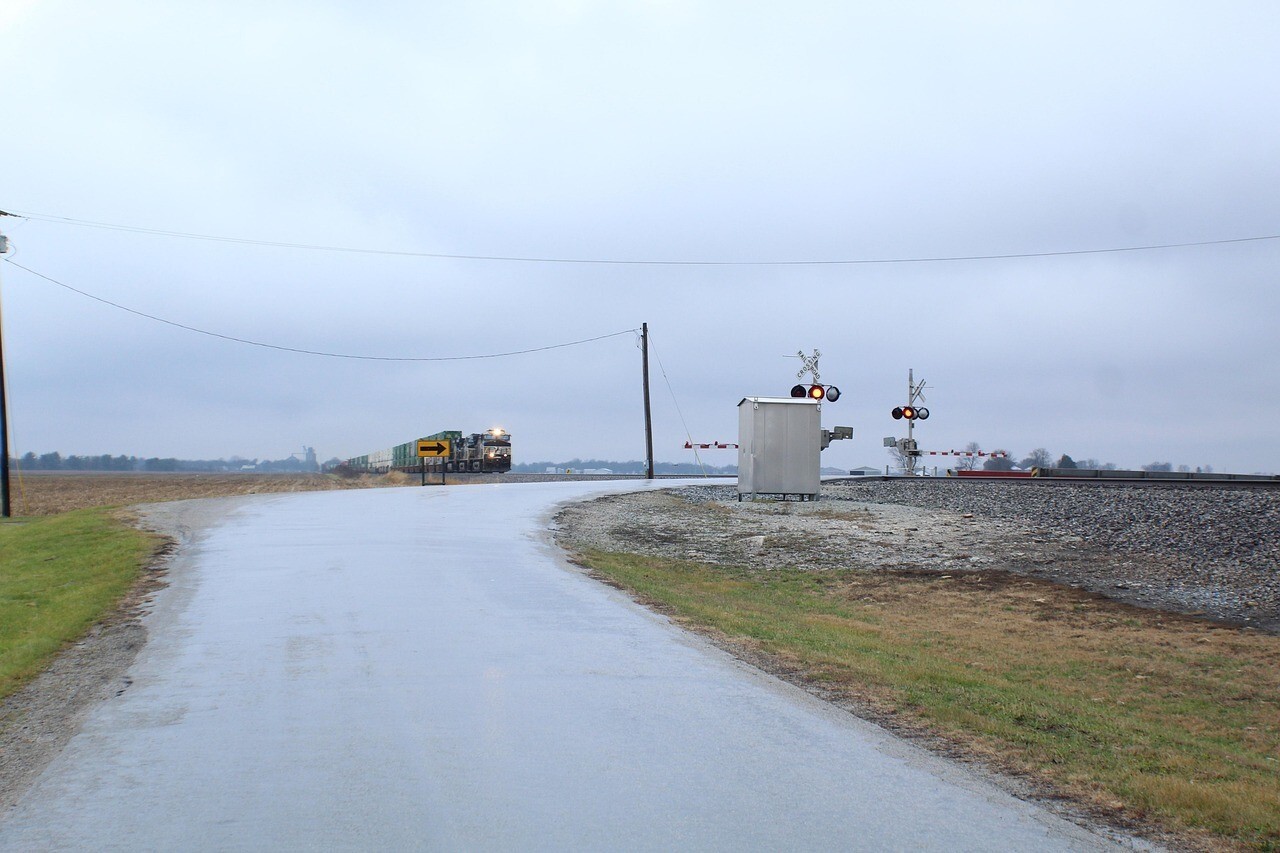
A railway container train carrying 2,688 tonnes of alumina departed Baise city in Southwest China's Guangxi Zhuang autonomous region on July 14, bound for Northwest China's Xinjiang Uygur autonomous region, marking the first full-load alumina container train between the two regions, according to a news report by Guangxi Daily. Image for referential purposes only Operated by the Baise office of the Nanning Railway Logistics Center under China Railway Nanning Group, the train consists of 84 containers and is scheduled to arrive at Sanping Station in Urumqi, Xinjiang, in ten days, the report said. The new train service establishes a direct logistics corridor linking Guangxi's alumina production bases with Xinjiang's energy-rich industrial bases. Located in the western part of Guangxi, Baise...

US semi-finished aluminium exports climb 11% in Q1 2025 - Is South Korea the new China with startling supplies?
The United States’ dynamic transformation in aluminium trade landscape is very well reflected through its semi-finished product imports, specifically aluminium plates, sheets, and bars as they show both volume growth and evolving sourcing patterns in Q1 2025. Despite maintaining a modest 22 per cent share of the country’s total aluminium imports during the quarter, this segment displayed a notable increase in volume, reaching 324,000 tonnes, up 10.69 per cent from 292,700 tonnes in Q4 2024. Yet, this sequential uptick didn’t surpass the 339,000 tonnes imported in Q2 2024. However, it did outpace Q3 2024’s figure of 300,600 tonnes and marked a 10.97 per cent rise year-on-year from 292,000 tonnes, reinforcing the upward trajectory driven by policy anticipation and domestic demand. February...

Part 3 – “For supersonic aircraft operating at speeds similar to the X-59 (Mach 1.4-1.8), aluminium alloys will likely remain the primary material for large sections of the airframe,” Kalea Texeira, National Training Program Manager at Federal Aviation Administration
Step into the final leg of our enlightening journey with Kalea Texeira, where the spotlight turns once more to aluminium but not as the old guard of aerospace materials. Instead, as Texeira compellingly reveals, aluminium re-emerges from the X-59 program as a vital force shaping the future of flight. Far from being left behind in the age of advanced composites and high-temperature alloys, aluminium proves it still has plenty of lift. Read the full interview below for her complete insights. Missed the first two parts? Catch up on Part 1 & Part 2 by clicking the link here! AL Circle: Do the technologies developed for the X-59 have commercial or military crossover potential, particularly in future green aviation platforms? Kalea Texeira: The technologies developed and validated through...

NBS: China's H1 primary aluminum output rises 3.3% YoY
China's primary aluminum production totalled 3.81 million tonnes in June, down by 0.5 per cent from May but up by 3.4 per cent from June 2024, according to the latest data released by the country's National Bureau of Statistics (NBS) on July 15. Last month's result meant that for this year's first six months, China produced 22.38 million tonnes of primary metal, marking a healthy 3.3 per cent rise from the January-June period last year, the NBS statistics showed. Although last month's output declined on-month mainly because June had one less day than May, the average daily production nationwide actually increased last month. Mysteel Global's calculation based on the NBS data showed that daily output averaged 127,000 tonnes in June, up by 2.8 per cent from the previous month. Also read:...

Market commentary: Aluminium foil is looking towards a $48.8 billion market by 2034
The global non-ferrous market size at present stands at USD 1.18 trillion (2024), which is poised to reach USD 1.75 trillion by 2033, shared Dr Anupam Agnihotri at the recently held International Conference for Non-Ferrous Metals, 2025. The metals leading the path of growth include Aluminium, Nickel, Copper and rare earth elements. Image for referential purposes only Amongst all these, from food trays to battery packs, the thin yet mighty aluminium foil has evolved far beyond its conventional kitchen connotation. Now, it’s spearheading a global packaging transformation, with the market projected to leap from USD 29.1 billion in 2024 to USD 48.8 billion by 2034, growing at a CAGR of 5.3 per cent over the next decade. Behind these numbers lies a compelling story of industrial convergence,...

China’s aluminium foil finds backdoor to the US? Vietnam & Thailand under DOC’s scanner
On July 11, 2025, the US Department of Commerce (DOC) launched anti-circumvention investigations into disposable aluminium containers, pans, trays, and lids imported from Vietnam and Thailand. The petition was filed by the Aluminum Foil Container Manufacturers Association. But in general, US also imported significant amount of aluminium foil from other Asian nations like Japan and South Korea. In 2024, as per OEC data, US imported around USD 14 million aluminium foils from South Korea and USD 78.8 million from Japan. So, why the probe was launched only upon Vietnam and Thailand? According to the Trade Remedies Authority of Vietnam, the probe is based on suspicions that aluminium foil produced in China is being shipped to countries, processed into finished products, and then exported to...

From cars to cans: the ripple effects of America’s 50% aluminium tariff on end-users
As global trade conflicts grow and political alliances change, American companies in many industries are struggling with rising tariffs on imported aluminium. Image for representational purpose Introduced on June 4, 2025, the 50 per cent aluminium tariff was meant to support US producers as economic tensions grew between Western countries and the BRICS group (Brazil, Russia, India, China, and South Africa) but it has triggered widespread disruptions in supply chains, driving up costs and compelling companies from automakers to beverage manufacturers and luxury brands to swiftly adjust their strategies. Aluminium plays a crucial role in many products, valued for its lightweight, strength, and flexibility, especially in cars, packaging, construction, and luxury goods. The tariff effectively...

India reaches 50% renewable power – Waaree, Adani Green and NTPC Green stock surges
India has crossed an ambitious milestone by achieving 50 per cent of its entire installed energy capacity from renewable sources — five years ahead of its 2030 target for renewable energy under the Paris Agreement. This announcement and massive leap forward, confirmed by the Ministry of New and Renewable Energy, highlight India's increasing energy independence and increasing technological expertise in renewables. Image source: Hydropolis Union Minister for New and Renewable Energy Pralhad Joshi commented on a social media platform: "India’s total installed energy capacity stands at 484.8 GW, of which 242.8 GW comes from non-fossil clean energy sources." Solar’s dominant rise and aluminium solar panels Solar energy has taken centre stage in India's green transition, contributing almost...

World alumina production in May rebounds by 3% M-o-M , but with a dip in daily output
In May 2025, world alumina production recorded a slight rise month-on-month following a slump in April, but not without a twist. While total monthly output rose to 12.626 million tonnes, marking a 3 per cent increase, the daily average slipped slightly from 408,400 tonnes to 407,300 tonnes, according to the International Aluminium Institute (IAI). The decline in daily output is likely due to one fewer operational day in May’s calendar. Of the total alumina production in May, metallurgical-grade ore accounted for 11.841 million tonnes, making up 93.78 per cent of the total output, while chemical-grade output stood at 785,000 tonnes, contributing 6.22 per cent to the overall production. Notably, the growth in May alumina production was exclusively driven by metallurgical-grade ore, as...

Alcoa resumes San Ciprián smelter restart, facing economic loss first
Alcoa Corporation, with its joint venture partner, IGNIS Equity Holdings, SL, have recently made an announcement of commencing the restart process of the San Ciprian smelter in Spain. Previously, on April 28, 2025, Alcoa's complex in this location received a wide power outage all across Spain, affecting the operations of both the smelter and the refinery. The production of this joint venture was curtailed in 2021 due to the high power prices. It began the process of restart, but again took a pause due to nationwide power outage in Spain on April 28, 2025, disrupting the overall operations in the adjacent smelter and refinery. Before the curtailment, the facility held the total production capacity of 228,000 tonnes annually, representing a substantial portion of the European aluminium...

WEEKLY: China's alumina output hits over 1.5-year high
Total metallurgical-grade alumina production among the 44 Chinese producers regularly tracked by Mysteel rose to 1.79 million tonnes over July 4-10, up 2.1 per cent from the prior week and marking the highest weekly output since January 2024, according to Mysteel's latest survey. The increase was largely the result of the ongoing resumption of operations at several alumina refineries in East China's Shandong province, Central China's Henan province, and Southwest China's Guizhou province, market watchers observed. Specifically, on July 6, a Shandong-based alumina producer resumed an 800,000 tonnes per tonne production line following a previous cutback. The next day, two Henan-based refineries each restarted a 700,000 tonnes per year line, while a producer in Guizhou resumed a 200,000...

China’s bauxite shipments and seaborne cargoes review: Inpour surges, but shipments slide
As of mid-July 2025, China’s bauxite supply chain stands at a crossroads, flush with incoming cargo but showing signs of lagging shipments. The latest Mysteel survey, dated July 11, 2025, paints a contrasting picture of China’s bauxite trade dynamics, revealing a week-on-week increase in seaborne cargo volume, even as actual shipments to Chinese ports dropped dramatically. The story here is not just about numbers; it’s about timing, trade strategies, and potential implications for the aluminium supply chain. The latest survey captures this divergence vividly: while seaborne cargo volumes surged past 16.38 million tonnes, the volume of shipments received at Chinese ports plunged by over 1 million tonnes week-on-week. Image for representational purposes only Seaborne volumes climb, driven...

Is Guinea to be slapped with a lawsuit? EGA’s stance raises a question: What is the country’s bauxite reckoning?
GAC (Guinea Alumina Corporation), the bauxite mining wing operating in Guinea has had become extensively dependent on the African country’s bauxite resources. Supporting the statement is the number, wherein the company exported 10.8 million tonnes of bauxite in 2024 alone, a noteworthy volume contributing to both EGA’s own needs and the global aluminium value chain. A portion of this bauxite also went for the supplies of EGA’s Al Taweelah alumina refinery in Abu Dhabi. On July 3, the Guinean military junta finally cancelled Emirates Global Aluminium’s (EGA) mining contract, stripping Guinea Alumina Corporation (GAC) of its operating license. Today, we try answering the ‘why’ and add value-added context to the recent industry-impacting turn of events. Image for referential purposes only...

Is Mozal smelter at risk? South32 flags impairment over power supply
South32, the global mining and metals giant has flagged a potential impairment about the future of its Mozal Aluminium smelter, in its FY25 financial results due to deepening uncertainty over the smelter’s long-term electricity supply. The mining and metals major stated that ongoing contract negotiations and worsening drought conditions have thrown the future of the smelter into question. The financial hit though not yet quantified could mark a critical turning point for one of Mozambique’s largest industrial operations. South32 stated in a regulatory filing, “HCB has also recently indicated that drought conditions have the potential to impact its electricity generation and capacity to deliver sufficient hydro-electric power to Mozal. “These factors have resulted in increased uncertainty...

Q1 2025: Thailand scooped up US aluminium scrap when rest of the world slowed down
While the United States witnessed a modest uptick in aluminium imports during Q1 2025, aluminium exports took a noticeable plunge. Not by a marginal 10,000 or 20,000 tonnes, but a steep 95,000 tonnes year-on-year. From 854,000 tonnes in Q1 2024, US aluminium exports (including scrap) shrank to 759,000 tonnes in Q1 2025, marking an 11 per cent annual decline. This decline, however, isn’t evenly spread across all aluminium product categories or destinations, and it raises questions about the underlying shifts in global aluminium trade dynamics. Exports across the board According to recent figures from the US Geological Survey, the fall in aluminium exports touched all categories - crude metal and alloy, semi-fabricated products, and even scrap, though to varying degrees. Crude metal and...

