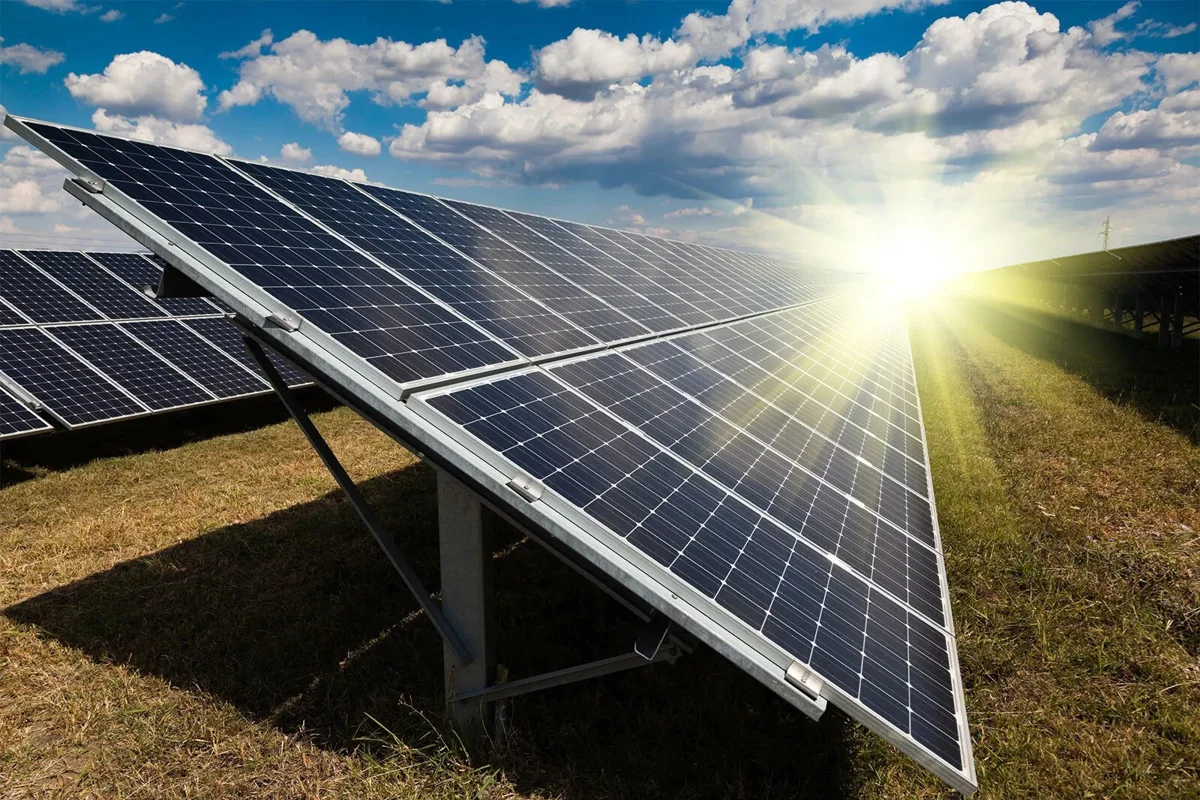
The United States’ dumping allegation against India has now extended beyond aluminium to include solar panels. Indonesia and Laos are also carrying similar accusations, as a group of US solar panel manufacturers have claimed that an influx of cheap products from these countries is harming the domestic market of solar items.
On Thursday, July 17, the Alliance for American Solar Manufacturing and Trade filed a formal petition, citing the surge in imports from Indonesia, Laos, and India intensified following the imposition of steep tariffs of up to 3,500 per cent on solar panels imported from Malaysia, Cambodia, Vietnam, and Thailand. The allegation is clear that the countries hit by US tariffs are rerouting their solar exports through these new channels to sidestep trade barriers.
Trade data also appears to support the claim, with Indonesia and Laos’ exports growing 1.9 per cent Y-o-Y making up 44 per cent of US cell and module imports.
However, this recent move by the US has already sparked debate, raising questions like - is this another safeguard measure akin to the tariffs on aluminium and steel, or is it a move to protect billions of dollars of investments being made in the US solar industry, or is it a strategic push to further block China-made products from entering the American market?
Hidden agenda of the tariff and India's take on this
The National Renewable Energy Laboratory (NREL) showed in its report that the United States might have up to 74 GW of solar module manufacturing capacity. As of the first quarter of 2025, the country had 44.9 GW of capacity. Solar installations also increased by 29 per cent Y-o-Y, with 9.5 GW added in Q1 2025. According to the report, this growth was primarily due to a decline in module prices, largely because of the expansion of US manufacturing capacities and reduced import prices.
Well, for policymakers aligned with the former Trump administration’s protectionist playbook, low import prices are part of the problem. They argue the prices distort the market, creating unfair competition for domestic manufacturers. So, the latest petition has initiated a process where the US Department of Commerce probes whether imports are unfairly priced or subsidised by a foreign government.
In response to this, Chairman of an Indian company known for its environmentally friendly and innovative solar glass offerings, Borosil Renewables, said any potential tariff on the renewable imports may not impact India. Chairman, Mr Pradeep Kumar Kheruka, explained anti-dumping measures are designed to counteract state subsidies, and India offers no such support in solar panel manufacturing.
He further said that no alarming situation has been raised yet by other big players in the solar modules industry, such as Waaree Energies, which is one of India’s biggest solar exporters to the US market.
“Waaree is perhaps the largest exporter of solar modules from India to the United States. And from what I know about their activities, I have not heard any alarm from them so far. Secondly, Waaree has a decent-sized solar module manufacturing operation in the United States. One way or the other, I think that company will not stand to lose,” he noted.
However, the policy calculus may extend far beyond solar panels. A less discussed but strategically significant dimension is aluminium.
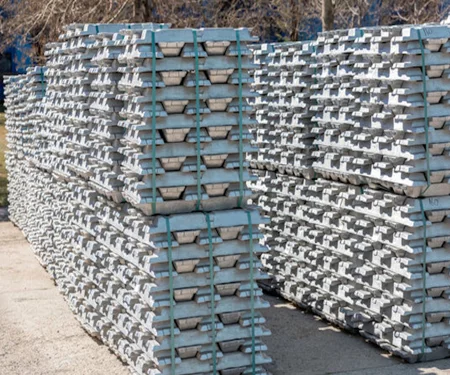
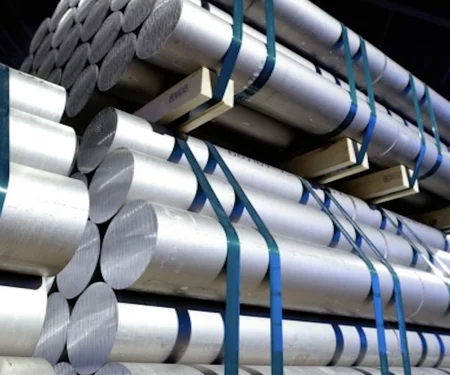
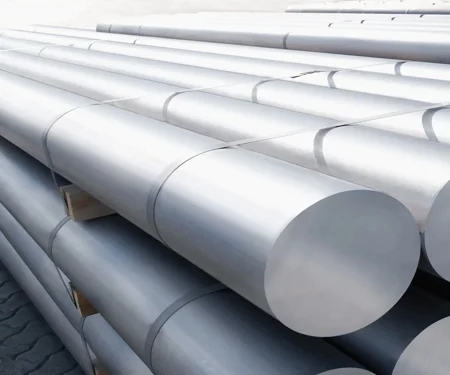
Solar panels, especially of the crystalline silicon variety, use aluminium extensively by about 21 kg per kilowatt of photovoltaic (PV) capacity. Concentrated solar power systems demand even more, at nearly 47 kg per kW. With the US targeting 74 GW of domestic solar manufacturing capacity, the aluminium demand could hit approximately 1.55 million tonnes. Most of this would require extruded aluminium made from primary aluminium in the form of billets.
Coincidence or coordination? The timing of this petition aligns neatly with broader plans to double US primary aluminium output, including a high-profile project by Emirates Global Aluminium that would add 600,000 tonnes of annual capacity to the US total, literally doubling the entire 2024 domestic production of 670,000 tonnes.
Moreover, primary aluminium imports from India and Indonesia, the two countries potentially face tariffs on the solar panel exports, into the United States have also increased in recent times, reaching 38,500 tonnes and 5,210 tonnes in Q1 2025, compared to 16,000 tonnes and 193 tonnes a year ago.
The plan could also be importing the remaining volume of primary aluminium required from these countries at 50 per cent, which is much less than the tariff imposed on solar panels.
So, could it be that the latest trade push isn’t just about solar cells, but also about insulating the supply chain for US aluminium producers? With the anticipated rise in solar manufacturing and aluminium demand as mentioned above, the government might well be ensuring that this growth feeds into a domestically controlled ecosystem.
In that light, this petition serves a dual role: tightening the leash on solar imports potentially linked to China, while also bolstering upstream materials industries like aluminium that are critical to the energy transition.












_md.webp)
_md.webp)
_md.webp)