European air travel, particularly short-haul flights, is facing mounting challenges due to persistent aircraft delivery delays from Boeing and Airbus. These bottlenecks are threatening to limit traffic growth, raise operating costs, and undermine environmental targets for the rest of the decade.
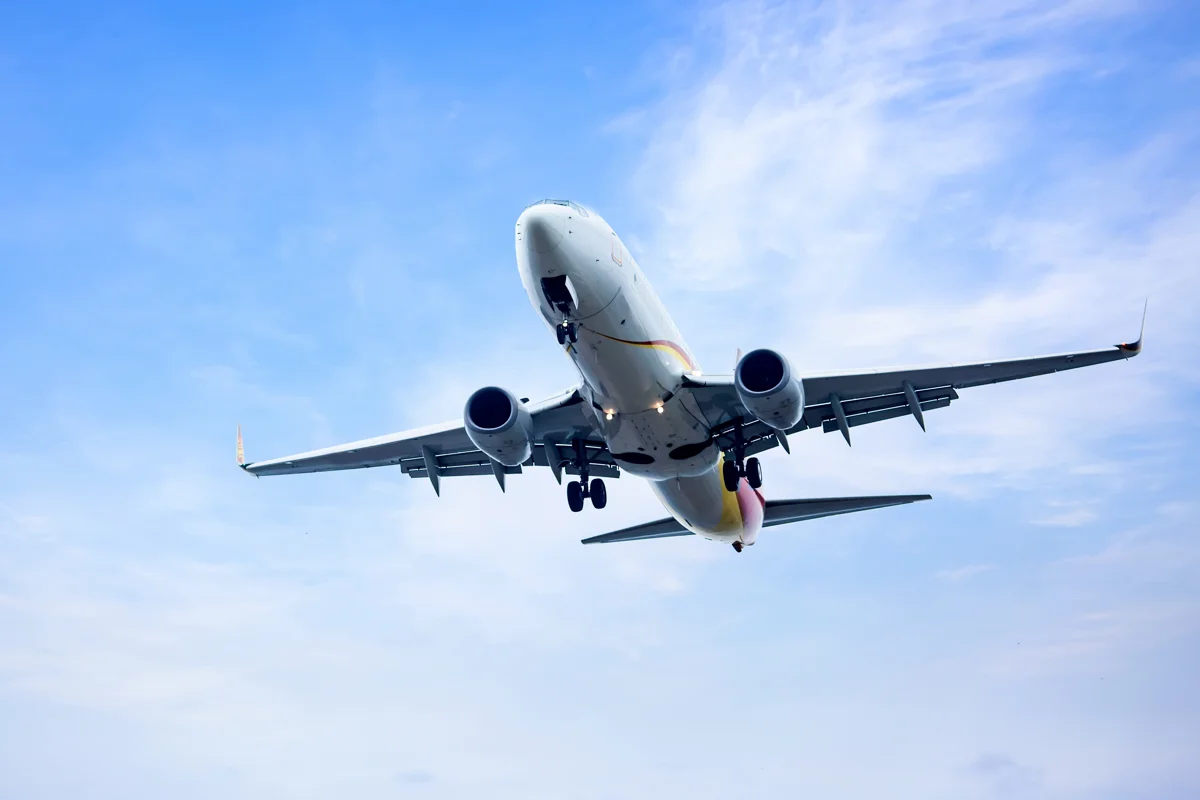
Image for representational purpose
In its Q1 FY2026 update, Ryanair reported a 4 per cent year-on-year rise in passenger volumes and a consistent load factor of 94 per cent, yet it projected only a 3 per cent growth in full-year traffic to 206 million passengers, citing heavily delayed Boeing deliveries.
Ryanair stated, "We believe European short-haul capacity will remain constrained for the next five years to 2030 as the big two OEMs remain well behind on aircraft deliveries."
In the first half of 2025, Airbus delivered 306 aircraft out of its 820-target, while Boeing delivered 280, with no formal target disclosed. The situation reflects a broader industry issue.
In 2024, Boeing delivered 348 commercial aircraft, down 34 per cent from 528 in 2023 and net orders plummeted 82 per cent from 1,576 to 279. Airbus, in contrast, increased deliveries from 735 aircraft in 2023 to 766 in 2024.
Both manufacturers have cited supply chain disruptions, labour shortages, and quality control issues as root causes of the delays. Boeing, in particular, has faced setbacks due to strikes and a quality crisis affecting its 737 MAX and 787 programmes. Airbus warned delays could persist for another three years.
Ripple effects on airlines and fuel demand
Delivery bottlenecks are forcing European airlines including Lufthansa and Air France KLM to continue operating older aircraft, which consume more fuel and incur higher maintenance costs. IATA noted that these delays have forced global airlines to delay fleet upgrades, undermining gains in fuel efficiency.
Ryanair’s strategy has been affected as well. Despite robust travel demand, its growth is capped, with hopes to recover delayed capacity expansion by FY2027.
It said, "We remain confident that the 29 remaining [Boeing 737-8200] 'Gamechangers' in our 210 orderbook will deliver well ahead of [summer] 2026, when we hope to recover this year's delayed traffic growth into FY27."
As newer aircraft deliveries stall, airlines are forced to adjust pricing. Ryanair increased its average fare by 21 per cent to EUR 50.84 in Q2 FY2026, boosting profits to EUR 930 million. Meanwhile, limited capacity growth has kept fares elevated across the sector, with Reuters noting European airfare levels are likely to stay high in 2025.
Aluminium's crucial role in aviation
The aviation industry’s reliance on aluminium is significant, as the metal is a core component in aircraft manufacturing due to its light weight, corrosion resistance, and structural strength. Aircraft fuselages, wings, and engine components use high-strength aluminium alloys to improve fuel efficiency and performance.
With delayed aircraft deliveries, demand for aviation-grade aluminium has been disrupted. Delays in Boeing and Airbus production schedules affect upstream suppliers, including aluminium producers, who are already facing volatile prices and raw material constraints. Moreover, the slower turnover of fleets reduces the need for aluminium-intensive new builds, putting pressure on smelters that cater to aerospace clients.
Environmental and strategic pressures intensify
Aircraft delays also create setbacks for climate policy compliance. Older aircraft are less compatible with Sustainable Aviation Fuel (SAF), and delivery delays limit the sector’s ability to modernise fleets and meet EU mandates like ReFuelEU’s 6 per cent SAF usage target by 2030. According to IATA, SAF will make up just 0.7 per cent of global jet fuel consumption in 2025.
This dynamic challenges airlines striving to cut emissions. With the EU’s Fit for 55 plan and the ETS expanding to aviation, regulatory costs are climbing, yet the tools to reduce carbon footprints are delayed. France’s ban on short-haul domestic flights where rail alternatives exist exemplifies this trend.
Macroeconomic strains and the energy chain
Fuel prices are influencing every layer of the aviation and consumer economy. Jet fuel accounts for 20 –40 per cent of airline operating costs. A sudden surge in crude prices driven by geopolitical conflicts like the Russia-Ukraine war or Red Sea shipping disruptions, translates into higher ticket prices or route reductions.
Rising fuel costs also hit the broader economy. Increased energy expenses push up production and transport costs across sectors, contributing to inflation and dampening consumer spending. The aviation sector, tightly intertwined with global oil markets, thus acts as both a contributor and casualty of volatile energy dynamics.
With the backlog of over 17,000 aircraft globally and no quick fix in sight, Europe’s short-haul skies will remain constrained well into the decade, keeping pressure on capacity, fuel markets, and emissions targets alike.
Note: To feature your brand and share insights, contribute an article or interview in our forthcoming e-magazine "American ALuminium Industry: The Path Forward."













_md.webp)








